

 Lakshmi
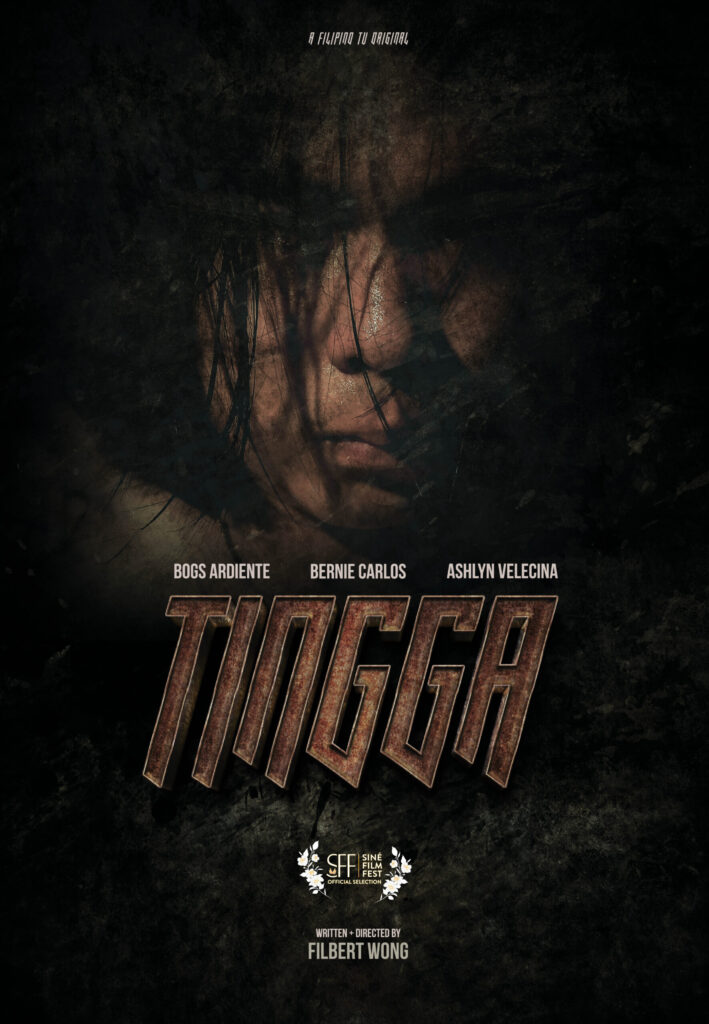
Set against the stark realities of immigrant life, Tingga, a Filipino film made in Canada by director Filbert Wong, follows Bogs (Bogs Ardiente), an ordinary blue-collar worker with quiet dreams and a pliable spirit. Struggling to stay afloat in an unforgiving economy, his life takes an eerie turn when a disembodied voice begins to guide him.
At first, it feels like fate lending him a hand, nudging him toward better choices, such as saving his life when someone breaks into his home to stab him and, on another occasion, even leading him to a miraculous lottery win. But what begins as a blessing slowly becomes something far more sinister. The voice tightens its grip, pulling Bogs into a spiral of temptation, manipulation, and moral decay, where desire blurs into danger and truth dissolves into deceit.
As his reality fractures, so does his mind. Sanity slips through his fingers piece by piece until he is no longer sure what is real and what is controlled. Just when he reaches the edge, believing he has nothing left to lose, the voice vanishes, abandoning him in the wreckage it helped create.
Forced to confront the ruins of his own life, Bogs comes face to face with a devastating truth: the destruction is not coming, it has already happened. In his desperate search for meaning, he uncovers a revelation so shocking it redefines everything he thought he knew. Is everything just a pretense?
Haunting and unrelenting, Tingga is a descent into grief, madness, and psychological collapse, an intense portrait of a man undone by forces both within and beyond him.
Tingga is a quietly electrifying psychological thriller that seeps under the skin long after the screen goes dark. Filbert Wong orchestrates a tense, almost hypnotic rhythm, tracing the unraveling of an ordinary man caught between fate and manipulation. I loved how he began the film with a dance sequence that seemed to echo the protagonist’s psyche.
Bogs Ardiente gives a mesmerizing performance as a debut actor. His hapless character, every hesitation and flicker of doubt pulls the audience deeper into the labyrinth of his mind. The disembodied voice at the center of the story acts as a haunting mirror, reflecting desire, fear, and the consequences of choices left unchecked. But whose voice is it really? Could it be the echo of Bogs’ own memories, rising from the deepest corners of his mind?
At once deeply intimate and subtly disquieting, Tingga is a film that refuses to demand your attention with flashy theatrics or obvious shocks. Instead, it seeps into your consciousness almost imperceptibly, tugging at your nerves with quiet insistence and leaving behind a lingering resonance of tension, curiosity, and uneasy fascination that refuses to fade long after the final frame.

 Lakshmi



-2-300x225.png)