

 Lakshmi
Making Space: A Goodbye Love Story (2026), written and directed by Christine Chang, is a quietly powerful romantic drama that proves just how much emotional depth can be achieved in just 15 minutes. Set to premiere at the Beverly Hills Film Festival on April 14, 2026, the film immediately draws viewers into the fragile, uncertain terrain of a modern “situationship.”
The opening scene sets the emotional stakes with striking clarity. Cece (Jessika Van) comes to a quiet but unsettling realization: her new partner, Jeff (Tim Chiou), has not defined their relationship, shows little regard for boundaries, and seems to be openly seeing other people. There’s no dramatic fallout—just a subtle shift in Cece’s awareness as she recognizes that this dynamic may not align with her needs. It’s an understated yet powerful moment that grounds the film in emotional realism from the very start.
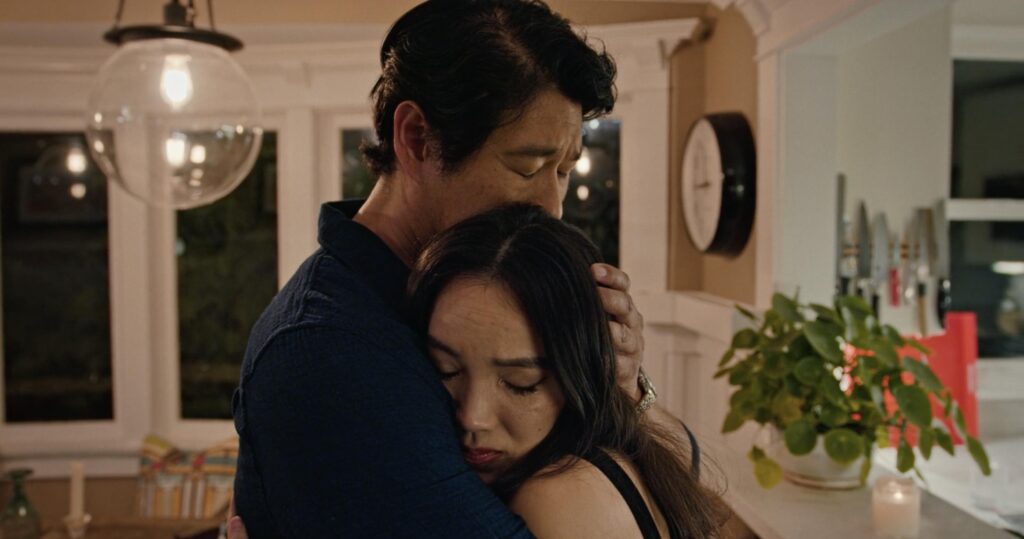
Van delivers a restrained, deeply felt performance, capturing the internal conflict of someone caught between desire and self-respect. Chiou, in turn, embodies the ambiguity and emotional inconsistency that define Jeff, making their dynamic feel authentic and uncomfortably familiar. Supporting performances from Gaelle Gillis and Sarah Wang add further texture to Cece’s journey.
What makes Making Space stand out is its efficiency in showcasing women empowerment. In a brief runtime, it explores themes of self-worth, agency, and emotional clarity without ever feeling rushed. Christine Adams’ cinematography enhances this intimacy, using soft, deliberate framing to mirror Cece’s introspective state, while Christine Chang’s direction allows small gestures and silences to carry significant weight.
The film lingers on a set of questions that feel uncomfortably close to home: will Cece untangle herself from the quiet pull of a situationship, or remain suspended in the gray space of an undefined, open connection that never quite meets her where she stands? As Jeff drifts at the edges of commitment, one wonders—can he meet her with the respect, privacy, and clarity she craves, or will he remain a symbol of emotional half-measures?
More pointedly, Making Space asks something larger of its world: what does it really mean for a modern woman to choose herself? Is that choice liberating, or does it still come shadowed by judgment, expectation, and doubt? The song that plays in the end captures the essence of the movie. In Cece’s quiet moments—her pauses, her doubts, her slow awakening—the film reveals the push and pull between longing for love and refusing to lose herself to it, leaving us wondering which side of her will rise to the surface.


 Lakshmi