
 Lakshmi
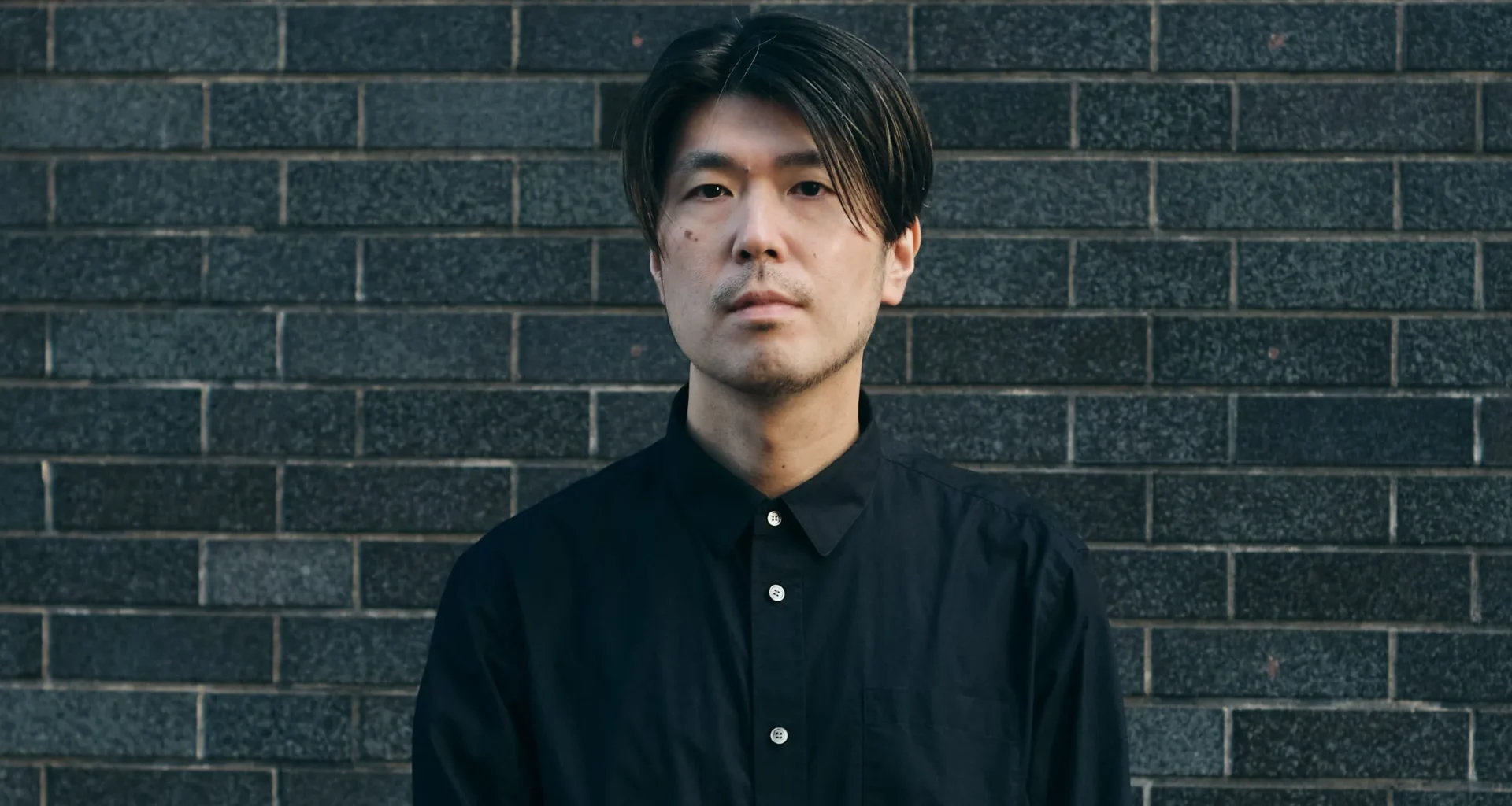
Genki Kawamura is a multifaceted Japanese author, screenwriter, and producer whose influence spans both literature and cinema. Renowned for his poignant storytelling, he first captivated audiences with his bestselling debut novel, If Cats Disappeared from the World. A blend of fantasy and introspection, the novel follows a terminally ill man who, given the power to erase one thing from existence in exchange for more time, grapples with themes of life, death, and the ripple effects of small actions. The book’s success led to a 2016 film adaptation, where Kawamura also played a pivotal role as producer.
Beyond his literary acclaim, Kawamura has made significant contributions as a screenwriter and producer. He played an essential role in the production of the animated sensation Your Name (2016), which became a global phenomenon under director Makoto Shinkai. His deft understanding of emotional complexity helped propel the film’s success worldwide. His films include the short Duality (2018) and the feature A Hundred Flowers (2022). Exit 8 is his latest film.
Kawamura’s work is marked by a masterful fusion of realism and magical realism, often exploring deep philosophical questions about love, loss, and existence. His ability to weave the ordinary with the extraordinary has cemented his status as a defining voice in contemporary Japanese culture, influencing both the written word and the cinematic screen.
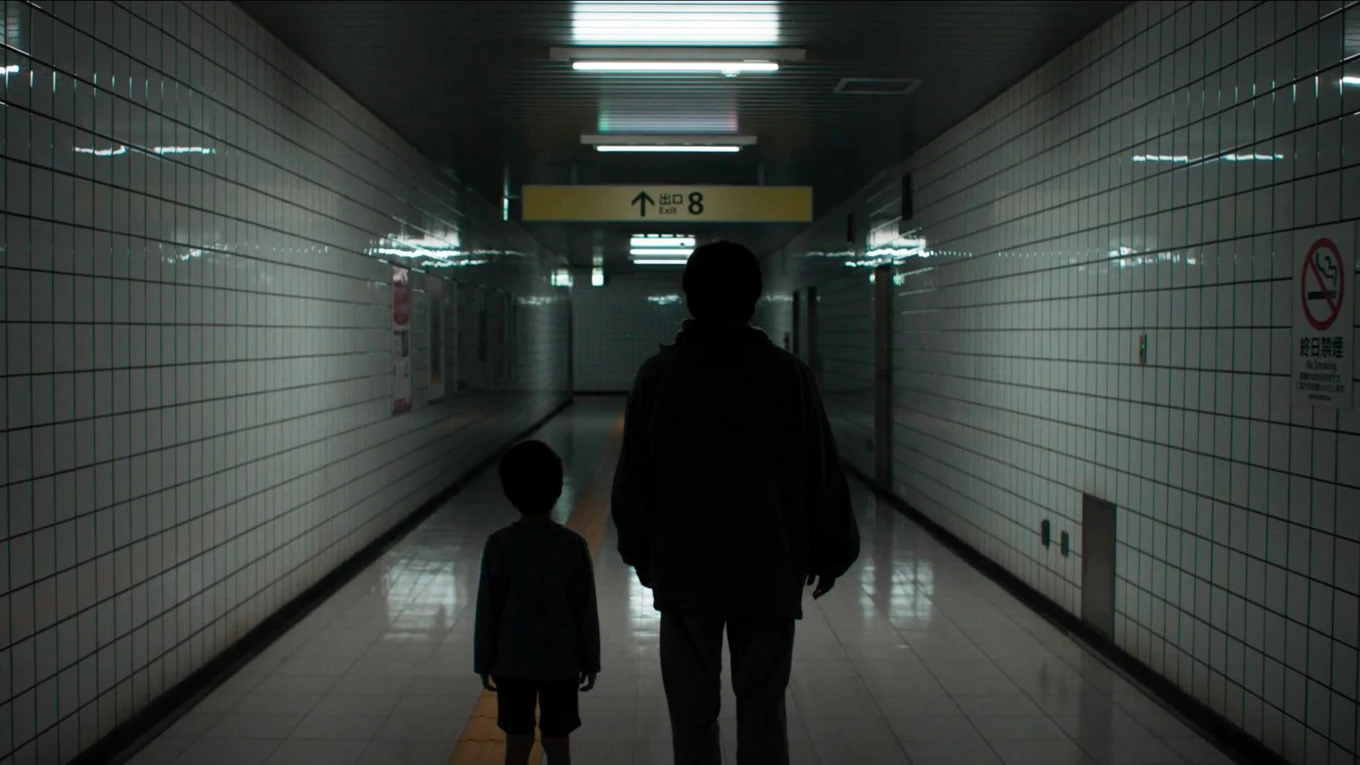
Exit 8 is a 2025 Japanese psychological horror film penned and helmed by Genki Kawamura, inspired by the 2023 adventure game The Exit 8 from Kotake Create. The film made its world premiere at the Midnight Screenings of the 2025 Cannes Film Festival on May 19, 2025, and later premiered in North America at TIFF under the Centerpiece program on September 8, 2025.
Exit 8 is a pulse-pounding psychological thriller starring Arashi icon Kazunari “Nino” Ninomiya plays The Lost Man, a commuter trapped in a sterile, never-ending subway tunnel. His escape lies at Exit 8, where his ex awaits his decision on her pregnancy — but there’s a catch: he must follow one unbreakable rule. If anything feels wrong, he must turn back. A single misstep sends him spiraling back to square one, forced into an unrelenting loop. This eerie setup becomes a razor-sharp metaphor for guilt, responsibility, and the suffocating paralysis of indecision.
One Lash Shot had the honor of delving into a thought-provoking conversation with director Genki Kawamura about transforming the surreal world of liminal spaces from the adventure game into a gripping live-action film.
What made you choose to make Exit 8 into a film?
So, as you mentioned, I’m an author, and I have written original stories. When I encountered this video game, Exit 8, I noticed it has no narrative. But it does have an amazing design and a very simple rule. I thought, based on the simple rule and great design, how could we add a narrative into this? And if we could do that successfully, I thought it would become a really unique, one-of-a-kind film.
If Cats Disappeared from the World is a story of loss and reconciliation, of one man’s journey to discover what really matters in modern life. So similarly in Exit 8, the lost man is tackling a quest in search of freedom and answers. Was this an intentional parallel?
I often think about how people don’t realize the importance of something until they lose it. Once they lose it, they finally understand what it meant to them, and I think that’s really true. In this game, when you’re thrown into this white, clean corridor, only then are you able to confront the sins or the psyche that you hold within yourself.
You don’t get that experience outside of this space. Only there are you able to face what you carry inside and explore your individuality. I think that was a big inspiration.
The original game focuses more on atmosphere and mechanics than plot. So how did you translate its minimalist, loop-based structure into a narrative-focused film?
So, in creating this narrative, we faced the question of what that space means. And I felt like it’s a metaphor for the concept of purgatory in Dante’s Divine Comedy.
When we thought about what the anomalies could be, we considered, you know, that maybe they are the physical form, the visual manifestation of the sins and guilt people hold inside. Also, the looping experience that happens in this game is a metaphor for our everyday lives. You know, we sort of go through the daily routine as a loop, but we make choices, we face anomalies, we encounter something, and we make choices again. I thought that was a really big inspiration for creating and building a narrative out of it.
I also saw this white, plain space as almost like a no stage in Japanese traditional play. So, it has a lot of room for interpretation, and that was also a big source of inspiration for creating and building this narrative.
How did he go about casting Kazunari Ninomiya from Arashi and Nana Komatsu?
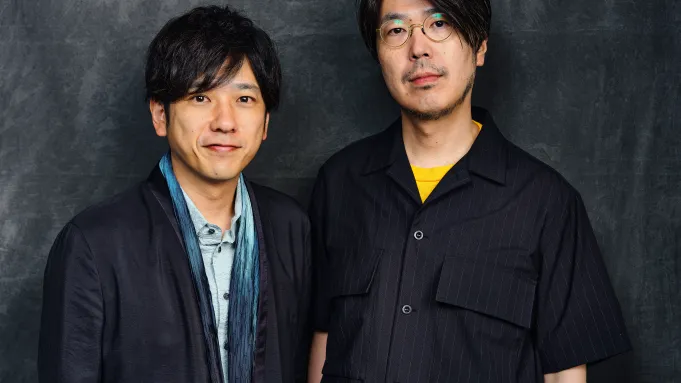
Ninomiya was in Letters from Hiroshima, directed by Clint Eastwood. But since then, he hasn’t really appeared in films that have screened on the global festival stage. As an actor, however, he has a lot of potential and possesses a special presence that can captivate the audience, even without much dialogue, and I think that is really remarkable. That’s something, of course, Clint Eastwood would have recognized. With the power of his casting, he was able to return to Cannes for the first time in 20 years, and I think that is one of the truly special aspects of this film.
How did you develop that emotional arc within a horror framework, especially since the final level is essentially emotional acceptance and fatherhood in a way?
So, when I thought about the experience of this film, I considered that the entrance the audience takes and the exit they leave with should feel different. You know, the beginning of the film has more of a thriller and horror tone, but by the end, the exit feels more like a human drama.
It’s also a metaphor for the protagonist, who doesn’t have a name and initially lacks individuality or personality. But throughout the survival process and the story, by the end of the film, he becomes more human and gains a sense of individuality and personality. That was the flow I aimed to create.

Do you see Exit 8 as more of a psychological study than a supernatural story?
Psychological story. Not supernatural. It’s a very realistic, surreal.
If you had to give me the theme of this movie, what would it be?
Well, I think the theme is the sin of indifference.
For example, in the opening scene, people are on a packed train, but everyone is looking at their smartphones, absorbed in their own world, indifferent to the woman being yelled at. I think that reflects what we all experience in modern life, and how we accumulate these sins or guilt that we hold inside.
I also believe that the very act of dismissing or ignoring these things can truly change the course of individual lives—or even the course of a nation. That, I think, is an important aspect of this film.
What’s next for you? Is it going to be a book or a film?
Yes, I’m writing my next novel, and I want to make a film based on it. I’m aiming to create a very unique, bold, and crazy film next time.
Is it going to be very similar to If Cats Disappeared from the World storyline-wise?
So, for the next novel, it’s not about a cat, but it’s about communication between humans and animals. This time, we’re depicting a horse in the story.
[Author’s Note: 源木さん、あなたの本が大好きです!これからも、あなたの本やさまざまなゲームが映画化されるのをたくさん見られることを願っています。Exit 8 を映画として世界に届けてくださって、本当にありがとうございます!]


 Lakshmi