 Lakshmi
A film truly comes alive in the editing room, and few editors command that space like Affonso Gonçalves. The Brazilian filmmaker has earned acclaim for his seamless storytelling and collaborations on some of the decade’s most celebrated films. From Olivia Wilde’s Don’t Worry Darling (2022) to Todd Haynes’ May December (2023), Walter Salles’ I’m Still Here (2024), and Ira Sachs’ Peter Hujar’s Day (2025), Gonçalves has shaped narratives with a rare emotional precision. Beyond feature films, his talents earned him a Primetime Emmy nomination in 2014 for the True Detective episode “Who Goes There.”
Most recently, he co-edited Hamnet alongside director Chloé Zhao, which won Best Picture at this year’s Golden Globes and is currently positioned for upcoming Academy Award nominations. Renowned for his intuitive sense of rhythm, meticulous craftsmanship, and deeply collaborative approach, Gonçalves has become one of contemporary cinema’s most versatile and respected editors.
One Lash Shot had a conversation with him to explore his craft, his process, the magic behind shaping some of today’s most talked-about films and of course, Hamnet.
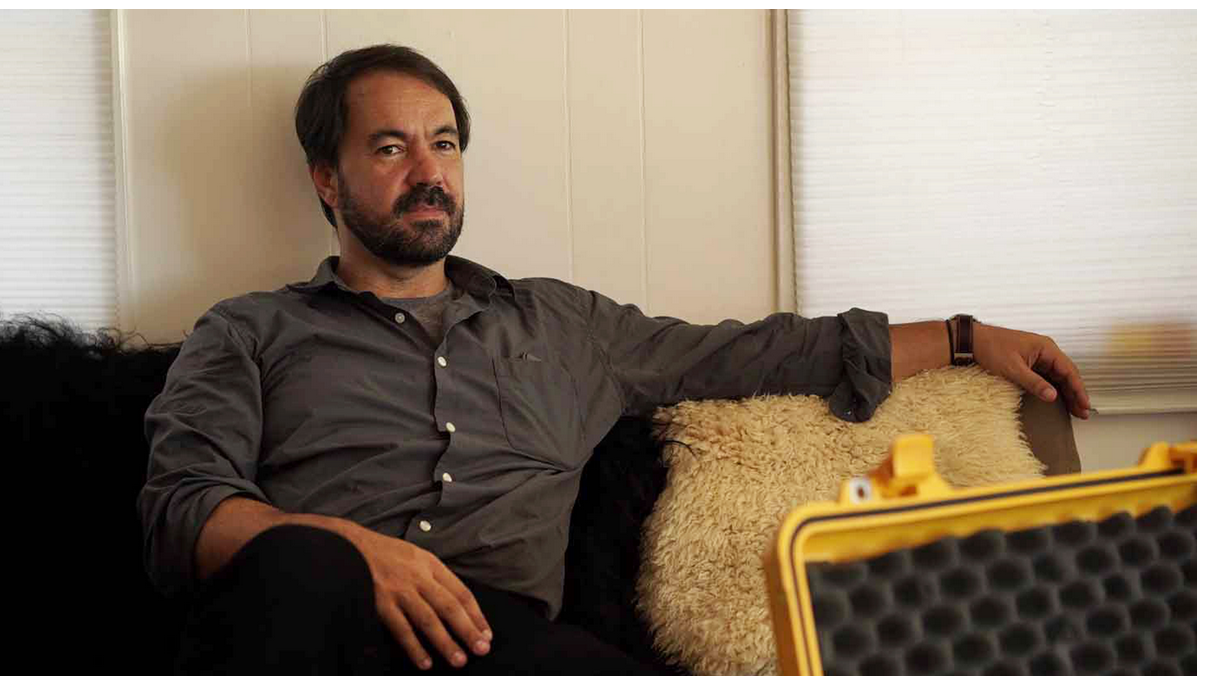
What inspired you to become an editor in the first place?
So, I went to film school. I’m originally from Brazil. I went to college in Brazil, but I wasn’t really planning to do what I studied there. Then I went to film school in England, in London, for three years. While I was there, I had this amazing editing teacher who kind of inspired me to become an editor, and I really fell in love with it. I decided then and there that this was what I wanted to do.
After completing the London Film School in England, I moved to LA and attended AFI, the American Film Institute, specifically to study editing. I stayed there for a couple of years to focus on that. And when I was done, that was it—I started working.
Was there someone who inspired you?
I mean, there are so many editors who have inspired me over the years. Of course, there are the obvious ones, like Thelma Schoonmaker or Anne V. Coates. Then there’s Gerry Hambling, another British editor I really love. Those are the names I remember from when I was studying in film school—the people I knew I wanted to pay attention to, because I felt I could learn a lot from them.
What were the earliest editorial conversations with Chloé, who was also the co-editor, that helped define the film’s tone and pacing, and how did your editorial voices complement each other?
I think the earliest conversation we had about editing was when she said that once she finished shooting the film, she was going to take some time to do the first cut herself. She told me, “I don’t want you to watch any footage yet. I want you to come in really fresh and just watch the film—the very first cut.” It was a long cut, so that’s what I did. I watched it, and then we talked.
Our conversations were very practical and focused on her cut. There were a lot of long shots and not much use of coverage. Then she suggested, “Let’s try another pass where we use more coverage—let’s explore it more.”
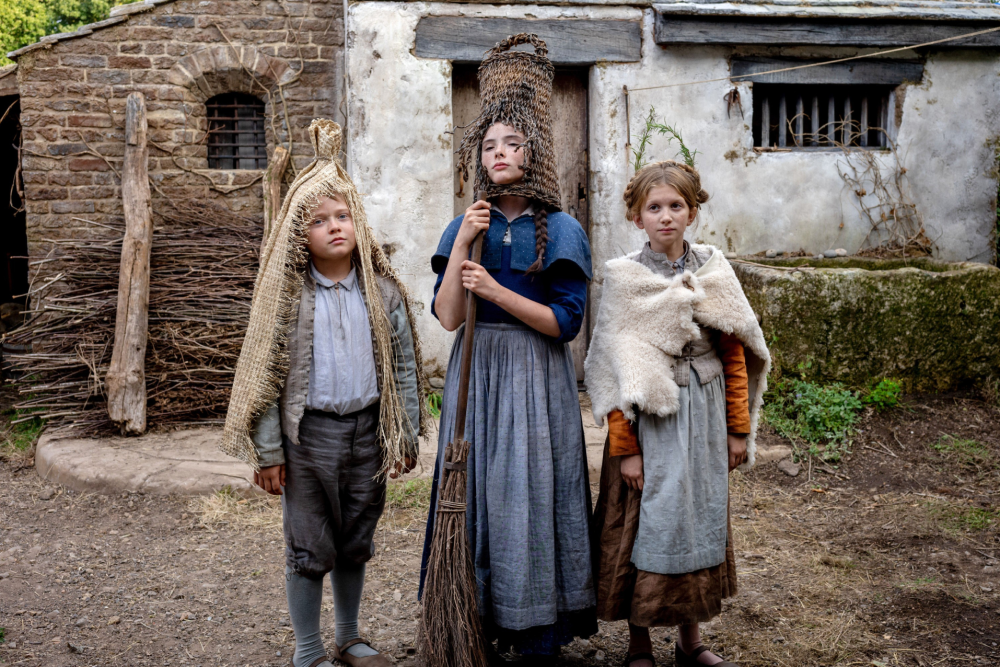
I think for both of us, performance was always the North Star. I would take notes on performances, and she would choose performances, and we were almost always on the same page. Once you choose a performance, you cut everything around that idea. You say, “Okay, this is a great performance—now let’s build the entire film around this tone and this mood.” And that’s what we did.
How did you two end up working together in the first place?
I met Chloé many years ago at the Sundance Lab, when she was developing the script. We met there and really clicked—we got along immediately. She’s also very good friends with directors I’ve worked with.
We didn’t really stay in close touch, but I followed her films and her career over the years, sometimes watching rough cuts and things like that. Then, when this project came along, she reached out and said, “This is the time.” I wish we could have worked together earlier, but it turned out to be the perfect moment for us to finally collaborate.
Can you talk about a scene that changed significantly during the editing process and what led to those decisions?
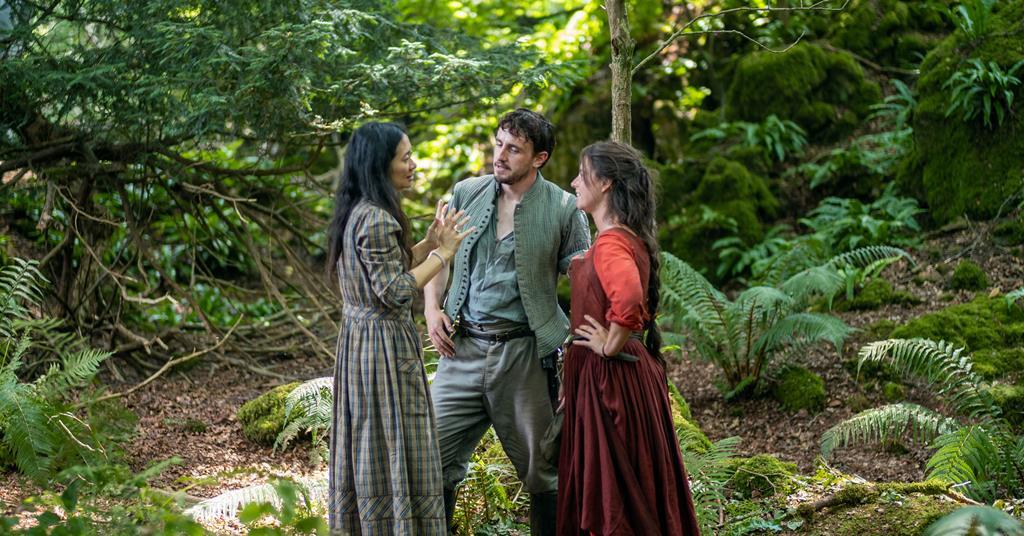
Yeah, I mean, two scenes come to mind. The first one—one of my favorite scenes in the film—is when Will and Agnes are still in the process of getting together. Will comes to the forest, finds her there, and brings the glove. She says, “I already have a glove,” and there’s this whole moment of them trying to get to know each other.
She says, “Well, tell me a story—a story that moves you.” Originally, that scene had a much longer story and was mostly in a wide shot. In fact, the wide shot you see in the film is the original one, and it works beautifully on its own—quiet and restrained. But we decided to explore getting a little closer to them. That was one of the scenes where we chose to do that, and I think it really changed the feeling. Being closer to them, seeing Jesse’s eyes and Paul’s eyes, giving the scene a bit more space to breathe—we played with it a lot. It became more intimate.
The other scene was the play—Hamlet. That one changed a lot as well. In the first cut, it was probably around 40 minutes long, with a lot of the play included. And it was great—the material was beautiful, a really strong rendition of the play. But we knew we couldn’t include all of it. We had to focus on what mattered for the story we were telling.
Would you say that was the most challenging or emotionally demanding scene for you?
Yes, that was definitely the one we kept cutting and revisiting—taking a little out, sometimes putting things back in. That scene, in particular, we really anchored on Jesse’s performance. Once we found the right reactions from Jesse, we knew how the other side of it should feel. We built the scene around specific moments: Will backstage, key moments with Hamnet, and the connection between Hamlet and Agnes. It was a scene we really wanted to get right, for obvious reasons.
You were largely in agreement as you edited, but was there a scene where you and Chloé didn’t share the same opinion?
Funny enough, there wasn’t really much disagreement. I think there was literally one cut—a single shot of Paul—that I wanted, and Paul and Chloé kept saying, “We don’t need this.” And I was like, “No, I like it.” Eventually, we took it out, and in the end, I agreed with her.
But for most of it—if not all of it—we were in agreement, even when we needed to change the order of shots or adjust things. Sometimes Chloé convinced me, sometimes I convinced her, and sometimes we just agreed from the start. There really wasn’t any friction.
The good thing, and what I always tell people about working with Chloé as a co-editor, is that when she’s in the cutting room, she really thinks like an editor. She’s not like, “Oh, no, you can’t take this out.” She’s very direct and knows exactly what she wants from an editor’s perspective.
How did the death scene come together?
Yeah, very, very emotional. It’s… you know, it’s hard, because I’ve seen the film so many times—100 times plus—and there are still moments that hit me. Cutting that scene was emotional. It was hard to watch, but you had to watch the footage.
For that scene, we tried to simplify things. Originally, there was a lot going on—running, people coming in and out—which made it harder for the emotion to come through. Once we talked, we decided to take some sounds or cuts out, just to focus on the core of the scene.
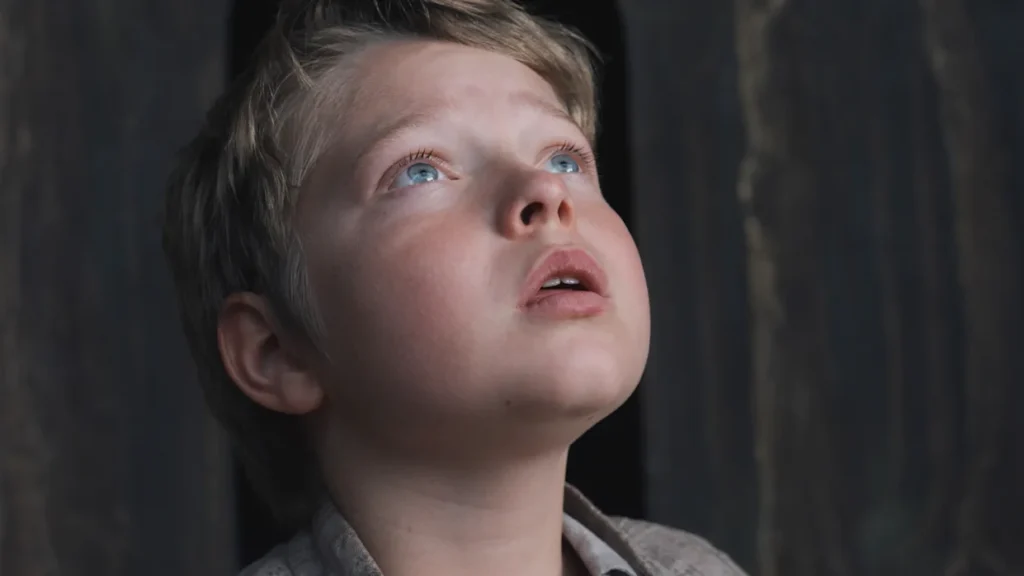
We knew certain moments were essential: the wide shot of Hamnet’s hand stopping, and of course, Agnes’s close-up for her scream when he dies. There were key moments we knew we couldn’t lose, so we carefully built the scene around those shots.
It was also one of those scenes we kept coming back to, just to make sure we had gotten it right.
What was your favorite scene to cut?
Well, the scene I mentioned before—the one where Will tells her the Orpheus and Eurydice story—I love that scene. I really loved cutting it. I also really enjoyed cutting the Hamlet scene; that was such a great scene.
Even though it’s a very simple moment, I also loved cutting the scene where Will sees the little puppet with the plague. There was something interesting about using the puppets to tell the story—getting the right image, the timing, and the music just right.
So yeah, those are the ones that come to mind first. There are more, of course, but those really stand out.
This is a very different kind of movie for Chloé, especially, to be working on. So how did that influence your editing, if at all?
I mean, Chloé had already done The Eternals, so she was used to working with big actors for a Marvel film. She knew what that experience was like. Together with Nina Gold, the casting director, they found all those kids, but Chloé already knew she wanted to work with Jesse Buckley. And Maggie O’Farrell, the writer, also wanted Paul Mescal, and so did Chloé.
Once they had Paul and Jesse, it was really about being in the room with the three of them—Chloé and the two actors—and doing a lot of intimate work in rehearsal, thinking about things beyond what you see in the film, beyond what’s in the script.
I think it really paid off. Chloé is such an intuitive communicator; she’s great at explaining exactly what she’s looking for, which makes it much easier. It was amazing for me as an editor to be in the room with her for that process, and I think it was the same for her when working with the actors and the crew in general.
How did you manage your time? I noticed that in 2025 alone you had three productions come out, and in 2024 you had I’m Still Here. Then in 2025 there were Peter Hujar’s Story, Father Mother Sister Brother, and this project—so how did you juggle everything?
It was funny, actually, because I had finished those films before. With Father Mother Sister Brother, Jim’s movie, we wanted it to come out in time for Cannes, but we ended up going to Venice, so we had to push the release. With Peter Hujar, it was something similar—we tried to push the release as well.
The order I finished them in was Jim’s movie first, then Father Mother Sister Brother, and then I finished Peter Hujar with Ira second, before moving on to Hamnet.
So, it’s funny how the release order kind of flipped around, but that’s really just a decision made by the distributors. It might look like I was working nonstop, but it wasn’t quite like that.
You have such an extensive body of work—so which project has been your favorite?
I can’t possibly choose a favorite. I mean, I love all my films. If I had to say, I probably feel closest to the last three I did—Hamnet, I’m Still Here, and Father Mother Sister Brother. But honestly, it’s impossible to pick just one.
As for what’s next, I’m actually working with Ira Sachs again—he did Peter Hujar. We’re finishing a film right now, and I’m in New York for that. Then, maybe in March, once I’m done with Ira, I might work with Todd Haynes. I’ve collaborated with him before, and he has a film he’s been trying to get off the ground. If it all lines up, we might start shooting in Mexico City in March.
[Author’s Note: Affonso, I’ve long admired your editing across so many incredible films, and I’m so excited to see what you create next with Todd and Ira!:)]

 Lakshmi