 Lakshmi
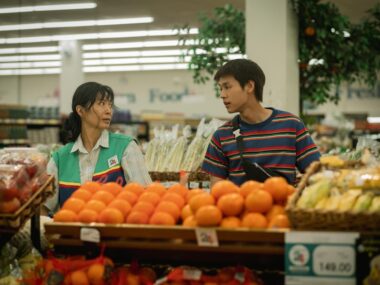
Tingga, which premiered at the Siné Film Festival, presents a dark and compelling narrative that examines the fragility of human choice under relentless pressure. From the very first frame, the film immerses viewers in a tense, unsettling atmosphere, following Bogs, an ordinary blue-collar worker whose life takes a harrowing turn. What begins as the familiar rhythm of daily routine soon becomes a descent into chaos when Bogs is haunted by a mysterious, persuasive voice. This enigmatic force manipulates his decisions, drawing him into a dangerous web of lust, deception, and moral compromise. As the story unfolds, Bogs grapples with consequences he never anticipated, and just when it seems he has lost everything, the voice abruptly vanishes, leaving him alone to confront the fallout of his actions. The suspense intensifies further when a shocking revelation emerges, threatening to upend everything he thought he knew about his life and those around him. Tingga is a riveting exploration of control, desire, and the fragile boundaries between choice and compulsion, cementing its place as one of the standout features of this year’s Siné Film Festival.
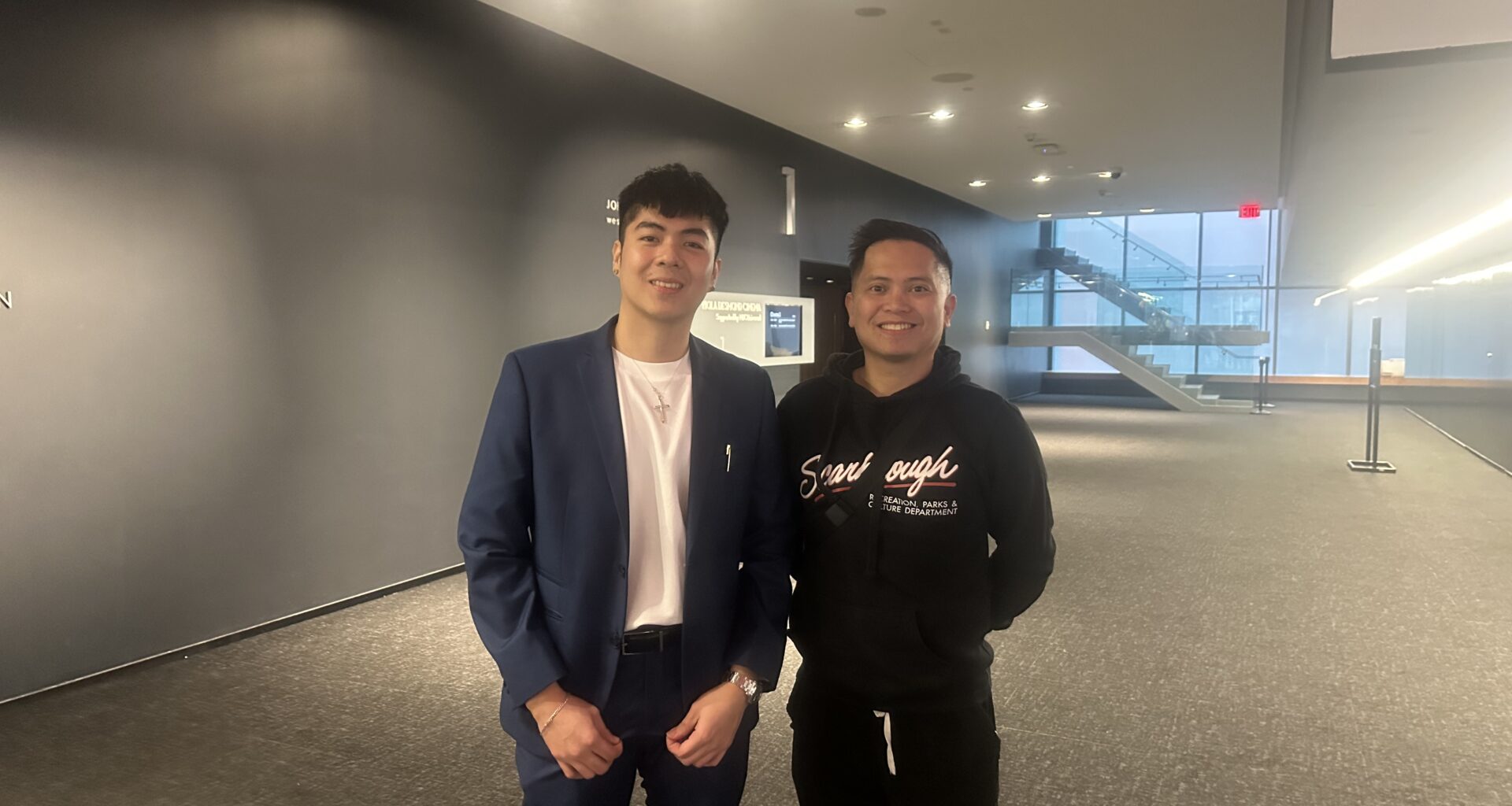
In this exclusive interview with One Lash Shot, Director Filbert Wong and lead actor Bogs Ardiente dive into the making of Tingga, sharing the inspiration, creative challenges, and what drew them to this intense, psychologically charged story.
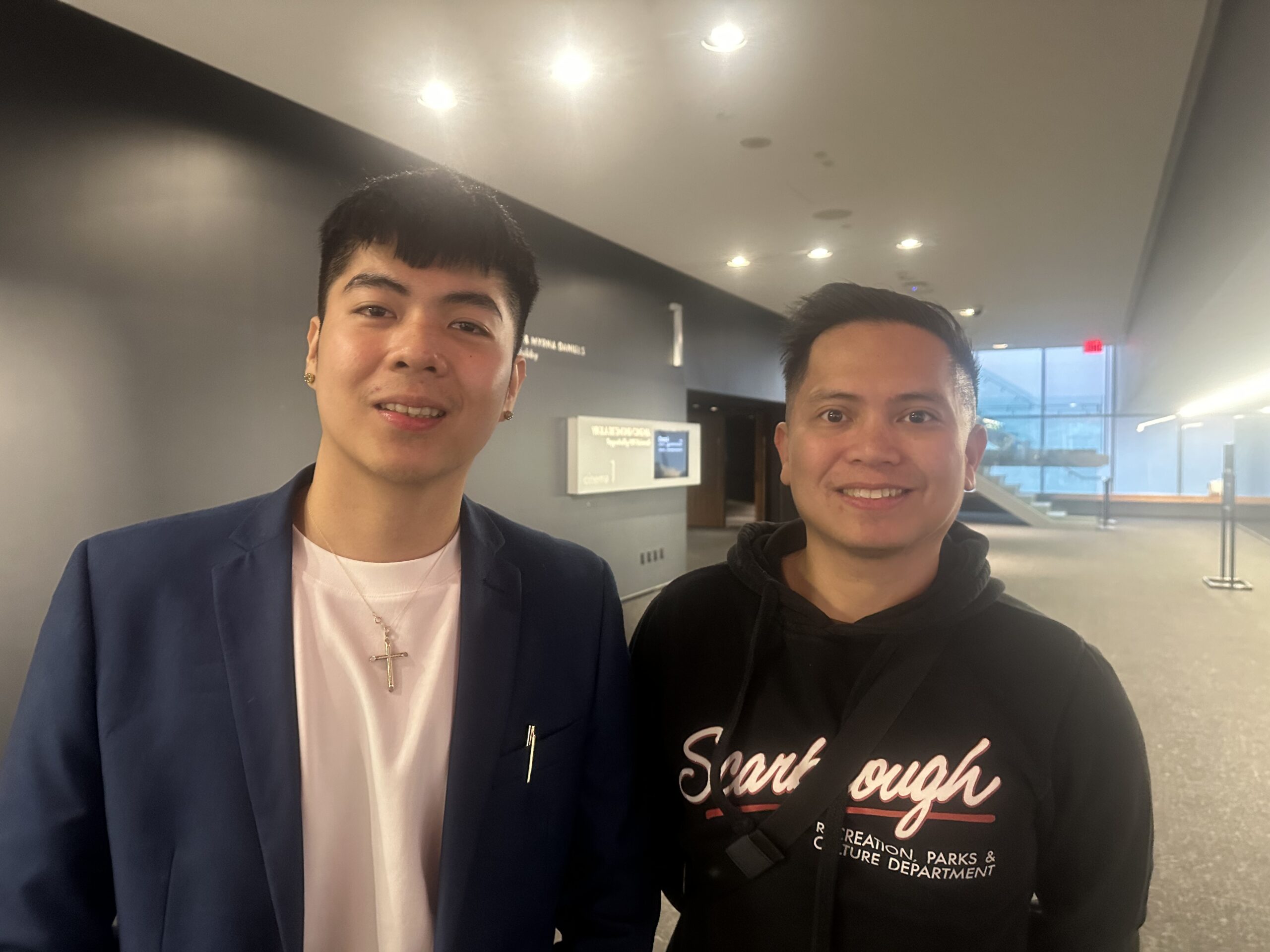
What was the inspiration behind Tingga? Was there a specific moment or experience that made you realize this was the story you wanted to bring to the screen?
Direk : Tingga means lead. It’s also slang for a bullet. But in this case, it refers more to lead as a toxic material—that’s where I drew the title from. It’s about something that has been there for a long time, misunderstood until you really examine it, even decades later.
I’ve always been fascinated with the human mind. I have a degree in psychology, and although I didn’t end up pursuing it, I felt like I understood enough about how the brain works—how misunderstood it often is, and how it constantly tries to protect us. Even if that means tricking us into believing something, making us see things that aren’t there, or feel things in order to preserve itself.
So, in the film, even toward the end, that’s essentially been the life of the character—the older man, right? He’s decaying there, so why not, in the very end, create something new? A kind of “bonus,” because he needs to keep his imagination alive. Instead of confronting the gruesome crime he committed, he chooses to imagine—or construct—a different reality.
What led you to choose Bogs for the role?
Direk: Because I knew the budget and time were constrained, I’ve always felt that I wanted to champion a script and a story that would truly resonate with a particular character—or the actors playing them.
When I saw Bogs as a performer, especially through his vlogs, my gut instinct told me that he had been through a lot. I felt that the script I had prepared was something he would genuinely connect with and say yes to.
And considering his age, I felt like it was a perfect fit. It really came down to instinct. It was also the first time I met him—right there in that moment.
By the way, do you really think Toronto is toxic?
Bogs: It depends—on how you see opportunity in Toronto. When you first arrive in Canada, it also depends on the environment you’re working in. But generally, you could say it can be toxic.
Direk: It’s also a matter of numbers—it’s almost like math. The number of people here, the level of hardship, the economic situation, the availability of jobs. It all plays a role. Especially if you have a family, right? Compared to when you’re in your early 20s, with no one depending on you—it might feel easier, even fun. You have a job, and fewer responsibilities.
But in many cases, when you have a family to support, it becomes much harder. Healthcare, daily expenses—these are real challenges I’ve encountered. From my perspective, it can feel more toxic. It has been toxic.
Bogs, this is your first official acting role, and during the Q&A you mentioned that the film reflects aspects of your own life. Could you share more about how you relate to the story and your character?
Bogs: I used to smoke weed a lot—every day, all year. It really affected my imagination, both in positive and negative ways, and it started to shape how I saw reality. What you think can really become your reality.
When I played this role, I had just recovered from a period of depression. So, I was in a very different headspace while working on it.
And to be honest, I’m not really supposed to say this, but during the film, I was actually using real cannabis in some of the scenes.
Was there a specific scene in Tingga that proved particularly challenging for you both, in your role as director and as an actor?
Bogs: Part of it is seeing how everything feels shaken up—like everything is falling apart. I’ve experienced that in my own life too, reaching a point where I didn’t know what to do.
But in the end, it was really emotional—especially the scene where I’m in the kitchen, washing my face, feeling paranoid and overwhelmed. That hit me deeply because I’ve gone through something similar in real life. So, it was very personal for me.
Direk: The intimacy scene—yes, that was very challenging. Because it was a micro-budget production, we only had one day—one block of time—to work on it. And often, it’s the first time the actors are meeting each other, so you don’t really know what the chemistry will be like. There are a lot of sensitivities involved.
It was also my first time directing a scene of that nature. And in a production environment, time is always against you. You can’t do 100 takes of something that intimate—it’s just not feasible.
It was very tough. There was no second day, and we didn’t have an intimacy coordinator—which, ideally, we should have had. But because of budget and time constraints, we had to shoot it on that particular day. We didn’t have the luxury of spending a full week blocking and preparing for a scene like that.
In your opinion, how do you interpret the ending of Tingga?
Direk: The ending, in my opinion, reinforces the idea that our brains are constantly constructing reality—often making things up to help us cope.
That’s why it’s called perspective. We’re never truly objective; we don’t fully know the other side. Yet our minds make us believe we do, based on our experiences and how strongly we hold onto them. At its core, the brain’s mission is to preserve itself. And sometimes, that can be detrimental—to us physically, or even within our culture and communities. But it’s always there, operating with its own kind of ego.
Bogs: In my opinion, the ending of the film reflects how each individual has their own way of thinking—their own mindset. It really depends on the person: whether their thoughts are positive or negative. As I said, what you think ultimately shapes your reality. What you think is what you become.
Do you think it’s truly possible to move on from something like that, genuinely from the inside, even if pretense is always an option?
Bogs: Yeah, of course. After the movie and everything I experienced, I’ve already gotten past all the negativity, all the dark sides, and all of that. That’s why I’m here today—I want to show people that no matter how much darkness you encounter in life, as Direk said, your brain and your mindset shape how it resonates with you.
What do you hope audiences take away from Tingga, and what message do you hope resonates most with young viewers?
Direk: For me, we always hear about the defense of criminal liability, right? Psychologically, people say things like, “There’s no justice—this person is out, and they killed someone. But they were found criminally not liable.” Sure, it’s been subject to abuse, but it can happen. You can actually be found criminally not liable for something extremely dark, because there’s often silence around what led someone to go that far.
In this case, it’s murder. For example, what happened out west—they had no prior offenses. Were they criminally held liable? No. People do abuse the system, but that’s the reality.
So why did I choose to put Bogs’ character in the prison block and make him criminally liable? It’s because of how gruesome the act was—especially given his girlfriend’s pregnancy. It’s extremely dark. I felt the environment needed to reflect that; it couldn’t be a nice, hospital-like facility. I wanted him to suffer too. The darker, dirtier, and filthier the cell, the more it gives him a reason to retreat into his own mind and think of something pleasant.
Bogs, what’s next for you?
Bogs: What’s next for me? In my acting career, I’m not sure yet, but if an opportunity comes my way, I’m willing to take it.
In my music career, I have an album releasing this year and a lot of projects in the works. I also want to thank Direk Filbert—because if it weren’t for him, I’d probably still be stuck working 9 to 5 every day.
What message do you hope that people take away from this film?
Direk: Always think as positively as you can.

 Lakshmi