 Lakshmi
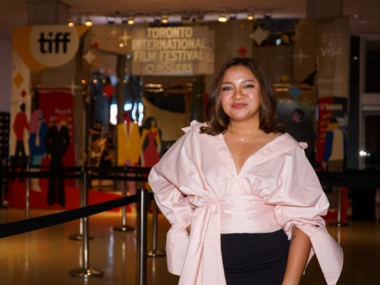
Director Tasha Hubbard is a Cree filmmaker from Peepeekisis Cree Nation in Saskatchewan. Originally a documentarian known for Two Worlds Colliding, nîpawistamâsowin: We Will Stand Up, and Singing Back the Buffalo, she had long imagined creating scripted stories but had not yet made the leap. Meadowlarks marks her feature film debut, bringing her storytelling from documentary to narrative cinema.
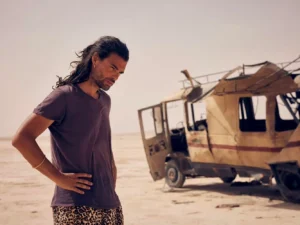
Actor Michael Greyeyes is a First Nations actor, director, dancer, choreographer and producer from Saskatchewan, celebrated for his powerful and nuanced performances on stage and screen. He began his artistic career as a dancer, training with and performing in the National Ballet of Canada, before transitioning to acting, where he has become a leading voice for Indigenous representation in film, television, and theater. Greyeyes is known for roles in North of 60, Hell on Wheels, True Detective, and Fear the Walking Dead, 40 Acres and he continues to champion Indigenous stories both in front of and behind the camera.
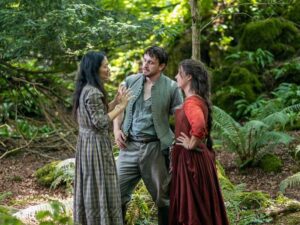
Inspired by her 2017 documentary Birth of a Family Tasha Hubbard’s Meadowlarks is a moving drama about four siblings torn apart by the Sixties Scoop who reunite as adults. Set in Alberta, their week together begins with awkward small talk gifts and forced bonding as they try to reconnect after decades apart. The Sixties Scoop was the practice of removing Indigenous children from their families often without consent and placing them in the child welfare system. While documentaries have explored this history Meadowlarks is the first to imagine the experience of reuniting as adults and facing its emotional impact. To bring her story to life, Hubbard has gathered an outstanding cast of Indigenous talent to portray the siblings, featuring Michael Greyeyes, Michelle Thrush, Carmen Moore, and Alex Rice.
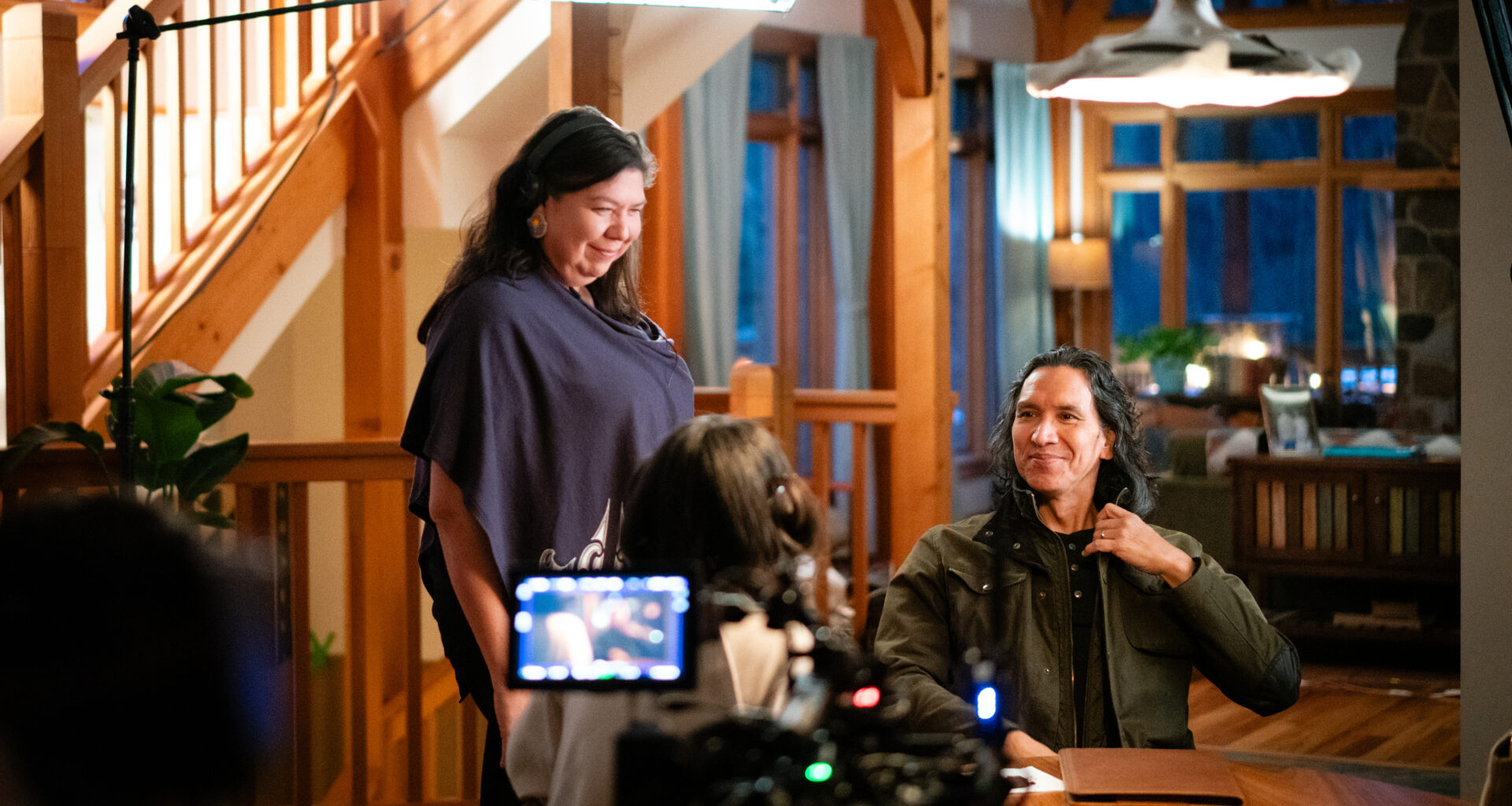
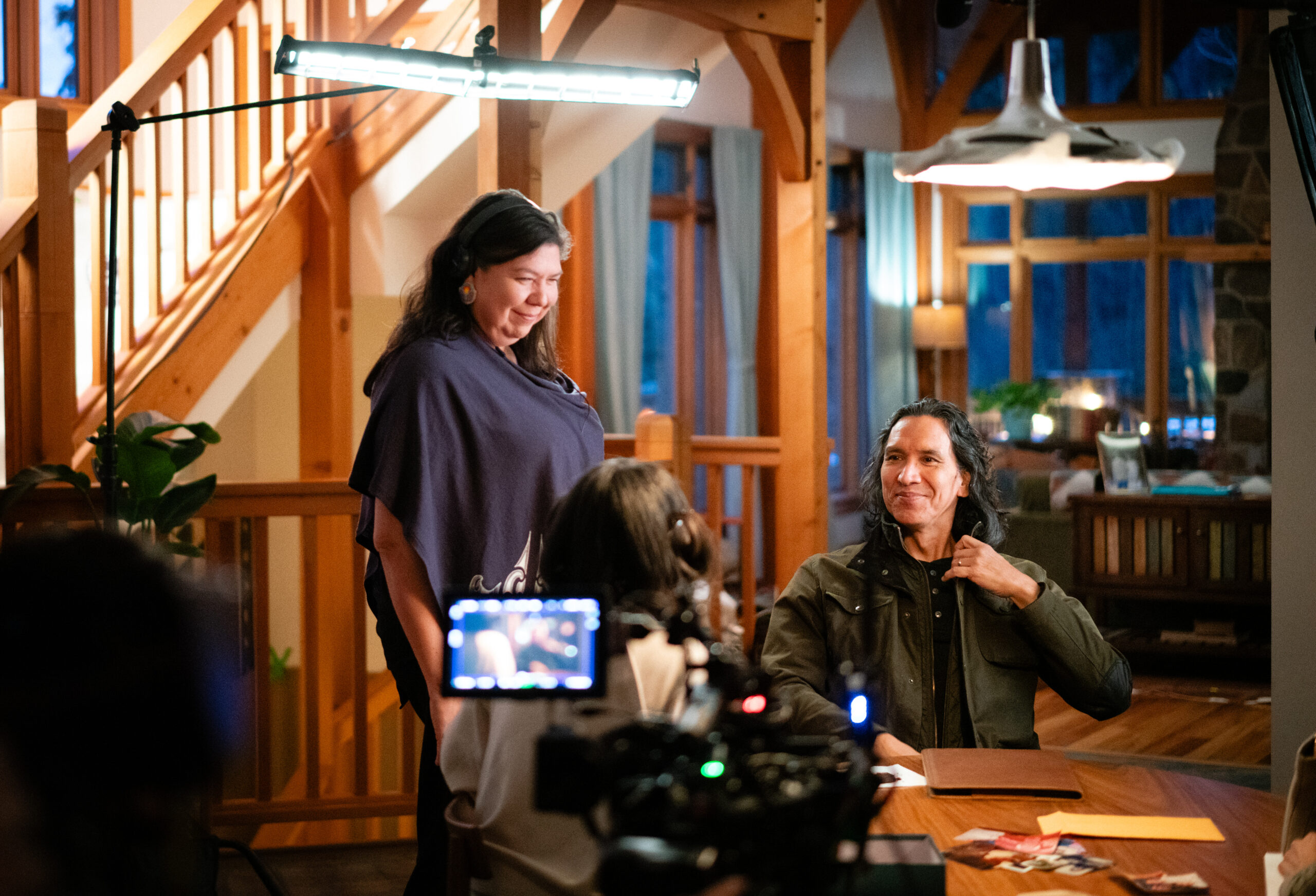
One Lash Shot had the opportunity to sit down with the incredible Indigenous filmmaker Tasha Hubbard and actor Michael Greyeyes to discuss Meadowlarks. Read on for an intimate conversation about Indigenous history, the Sixties Scoop, and the emotional weight that carries into the future for those affected.
Can you each share what first drew you to film? Tasha, what inspired you to pursue directing, and Michael, what led you to acting?
Tasha: I come from a family with a lot of artists, particularly visual artists. My dad was an actor, and the late Gordon Tootoosis is my uncle. There was a lot of talent on both sides of the family, but I can’t act, I can’t draw, and I can’t sing. So I thought, “What am I going to do?” I considered becoming an administrator, but I’m also not very organized, so I thought, “Oh no, I have no space.” Then I met the late Gil Cardinal, an amazing Métis filmmaker. He was the one who introduced me to filmmaking and what it could be. He might not have known me very well, but maybe he saw something in me. I’m not sure, but he definitely opened up this possibility for me, and I’m always so grateful for that.
Michael: For me, I began as a dancer, but I think that was just one avenue of my true calling, which is telling stories. I’m a storyteller, and I used to tell stories using my body, space, tempo, and movement. But when I was in New York, I was injured—I had a leg injury and couldn’t dance for about a year. I remember seeing Dances with Wolves on screen and recognizing the faces. I thought, “Those are the faces of my community—people I know.” That inspired me to consider that maybe film was something I could do.
Since then, I’ve continued performing. As I kept telling stories, I realized I also needed to write and choreograph, and I began creating different kinds of stories. Now I also direct. So, really, I’m a storyteller who is always looking for the right medium at the right time.
Tasha, in your 2017 documentary Birth of a Family, you explore the powerful story of Betty Ann Adam and her siblings. What moved you to turn this story into a film?
Tasha: Yeah, you know, I mean, I love the film, and I really saw my role as being a conduit for Betty Ann and her family—to help them tell their story and allow us to be privileged witnesses to this really beautiful moment. I had also been developing ideas for other projects and realized that some of them felt more like scripted stories rather than documentaries, but I hadn’t yet made that leap.
One of the producers of Meadowlarks saw the documentary, and it was actually her idea. She said, “I really think there’s a possibility of adapting this into fiction. Is that something you’d be interested in?” And I was. With the original family’s blessing, we kept Betty Ann on as an executive producer, and we started from the premise of the documentary.
From there, we created those four characters by bringing together people I’d spoken with, stories I’d been told, and experiences I’d witnessed. We tried to coalesce a wide range of experiences into these characters so we could show how this history impacts people—and also how people can find their way back to who they’re meant to be.
Michael, your character is shaped by the generational aftershocks of the Sixties Scoop. What emotional or cultural research guided your portrayal of that inherited experience?

Michael: As an Indigenous person, I grew up with the knowledge of both Indian Residential Schools and the Sixties Scoop as a fact of life in our communities. It was just part of the landscape—like high school, jobs, farming—and then there was this history. For me, it was built into my life from the start.
So, when it came time to tell this kind of story, Tasha was our creative North Star, because as we work to share these stories, we each bring our own perspectives. When I read the script, it was absolutely devastating emotionally, but also incredibly beautiful. I knew right away that I wanted to be part of it. For me, that’s one of the reasons I’m an actor—to help tell these kinds of stories.
Tasha, I noticed that at the start of the film, you chose to dive straight into the present day without any flashbacks. What inspired you to start the story this way? And Michael, what was it like stepping into your character and bringing this particular journey to life on screen?
Tasha: Yeah, that was such a big question—how to open the film. There were conversations about whether we should include a mini history lesson. I’ve done that in my documentaries to a certain extent, but in this case, I felt strongly that I didn’t want to do that. I wanted to stay with these people in this moment and allow the audience to learn gradually. If people want to know more about the Sixties Scoop, there’s so much material available now; they can explore it on their own. But for this film, I wanted us to simply be with the characters—who are these people? As the story unfolds, the audience begins to understand what this is, and that realization may hit at different moments for different viewers: Why aren’t they together? What happened? And slowly you get pulled into it.

I will say, I filmed the last scene—the parents as young people, a young couple in love, with their whole future ahead of them, not knowing what was coming. At one point, I thought that might be the opening of the film. But very early in the edit, I realized, no, this is actually the end. And as soon as we moved it there, it made sense. We were building toward that moment. It’s the only flashback, and it shows exactly what was interrupted by these policies—the love that was affected and the people whose hearts were broken. And it lands differently once you’ve lived through the rest of the film.
Michael: Yeah, for me, the way the past writes itself onto the present—our narrative canon, both Indigenous and non-Indigenous—is really important. You meet characters in films or plays and you find yourself wondering, “Why are they doing what they’re doing? Why are they feeling this way?” And I think Tasha’s decision to begin in the present moment is, first of all, brave, because it meant she trusted our performances. But it also reflects something my friend Yvette Nolan, who’s a director, often says: as contemporary Native artists, our job is to carry the conversations forward.
It feels natural to leave the story in the hands of the present moment and in the hands of the artists telling it. And the truth of the past—and how that past has written itself onto us—leads audiences to ask more questions afterward.
[Author’s Note: Tasha, this was overwhelmingly emotional to watch…congratulations on your feature debut! And, Michael, I grew up watching you dance. I look forward to your future films and dancing!]

 Lakshmi