 Lakshmi
For over four decades, Joan Chen has occupied a singular place in global cinema. Her journey—from a young star in China to an internationally recognized actress and director—has been marked by fearless reinvention, cultural fluidity, and a profound understanding of the emotional landscapes of her characters. Emerging as a prodigious young actress in China, Chen first captivated audiences with her luminous presence before achieving global recognition through Bernardo Bertolucci’s Oscar-winning epic The Last Emperor and her unforgettable role in David Lynch’s enigmatic, genre-defying series Twin Peaks. Across more than four decades, she has cultivated a career defined by remarkable versatility, transcending cultural boundaries, languages, and cinematic traditions while consistently infusing her performances with emotional intricacy and profound humanity.
Beyond her achievements as an actress, Chen has also distinguished herself as an accomplished filmmaker, making her directorial debut with the critically acclaimed Xiu Xiu: The Sent Down Girl, a poignant exploration of memory, identity, and generational trauma, before later helming the romantic drama Autumn in New York. Her work behind the camera reveals the same sensitivity, introspection, and commitment to intimate human storytelling that have long defined her performances.
In recent years, Chen has continued to lend her extraordinary talents to deeply personal works, including Alice Wu’s Saving Face and Sean Wang’s acclaimed coming-of-age drama Dìdi, bringing a lifetime of artistic experience and emotional resonance to collaborations with a new generation of filmmakers.
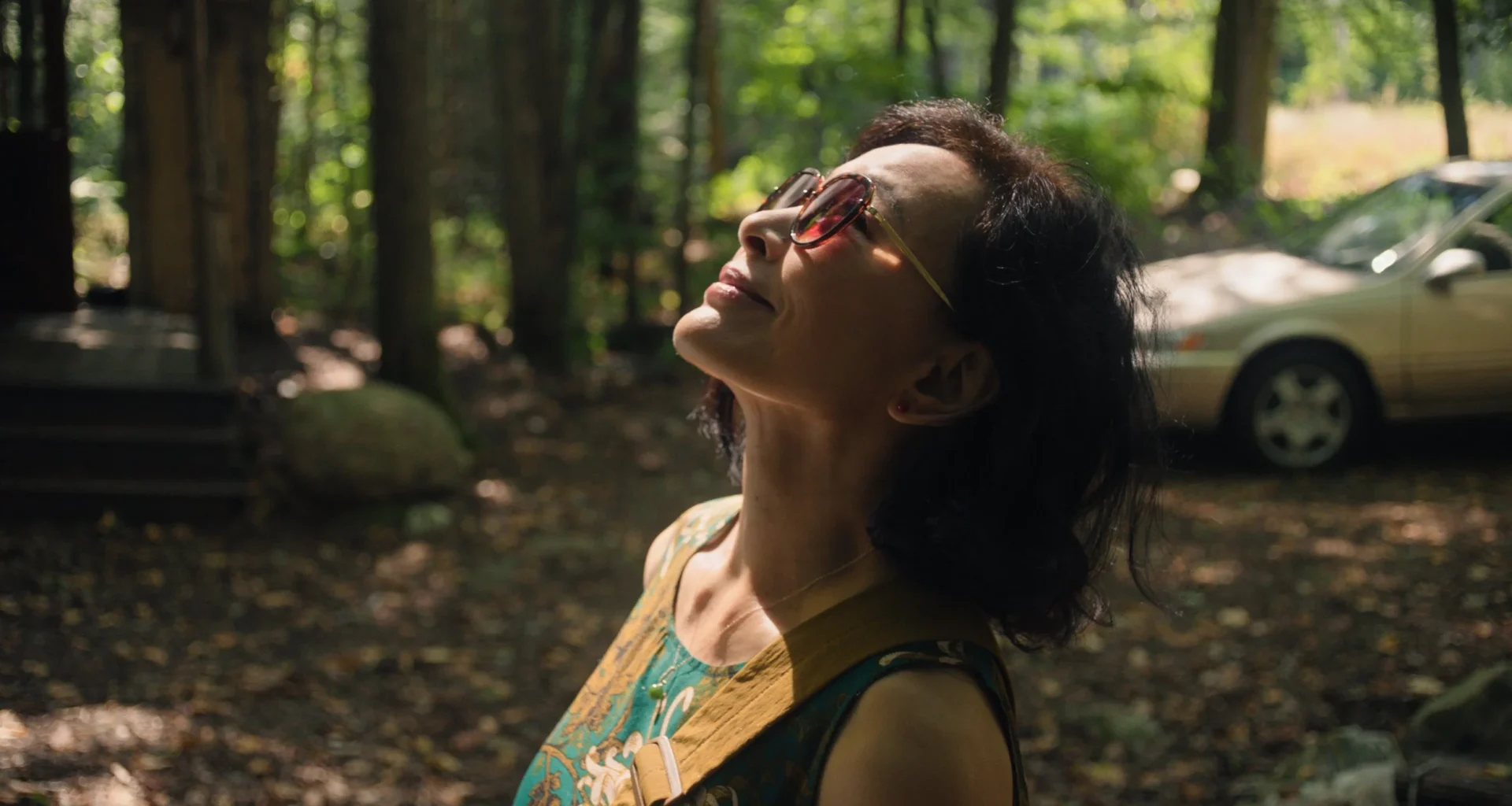
In her latest film, Montreal, My Beautiful (also known as Montréal, ma belle), Chen stars as Feng Xia, a 53-year-old Chinese immigrant living in Montreal whose carefully structured life begins to unravel and transform when she discovers a renewed sense of self. Directed by Xiaodan He, the critically acclaimed Canadian romantic drama follows Feng Xia, a devoted wife and mother trapped in a loveless marriage while running a convenience store. After enrolling in a French-language class, she encounters a new world of possibilities, including dating apps and a connection with Camille, a free-spirited young Québécoise. Their relationship awakens a long-suppressed desire and sets Feng Xia on a deeply personal journey toward self-discovery, authenticity, and liberation.
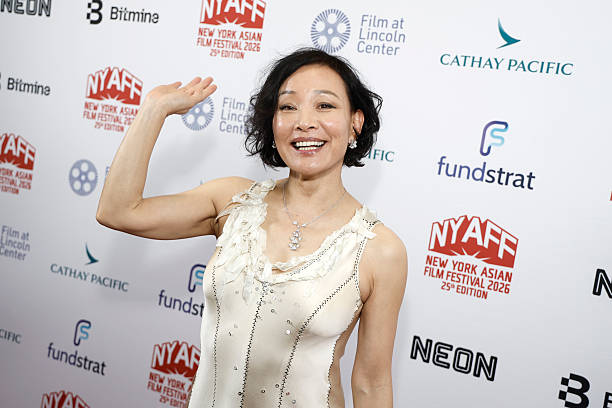
A singular figure whose career bridges Eastern and Western cinema, Joan Chen remains one of the most enduring and influential artists in contemporary film. In conversation with One Lash Shot during the New York Asian Film Festival (NYAFF), Chen discusses Montreal, My Beautiful, her decades-long journey through cinema, the challenges of performing in French, and the deeply personal stories that continue to inspire her as an artist.
You began acting as a teenager, and years later you made your directorial debut with Xiu Xiu: The Sent Down Girl, followed by Autumn in New York. What first inspired you to become an actress at such a young age, and what eventually motivated you to step behind the camera as a director? How did directing those films shape the way you think about storytelling and influence your work as an actor?
Well, when I was a teenager, I never really thought about becoming an actress because, during that era, nobody could choose what they wanted to do. Everyone was simply assigned a job. I was picked out from my high school rifle team to play a female fighter because I knew how to handle a rifle.
I was also sort of on the darker side—I spent a lot of time in the sun—so I guess I fit the role. They picked me, and that was how I became an actress. I knew nothing about acting, but they chose me, and I simply fell into this profession. I didn’t choose it.
For the longest time, I thought I should quit and start a “real” profession, but I continued doing it until now. So, I’m sure I won’t be starting another career at this point.
For Xiu Xiu: The Sent Down Girl, I started preparing for the film when I was around 34. On my 30th birthday, I remember telling myself, “Okay, my youth is gone. Now I’m just living the rest of my life.” I felt old at 30, and the roles that came my way were all quite disappointing—they just weren’t good enough.
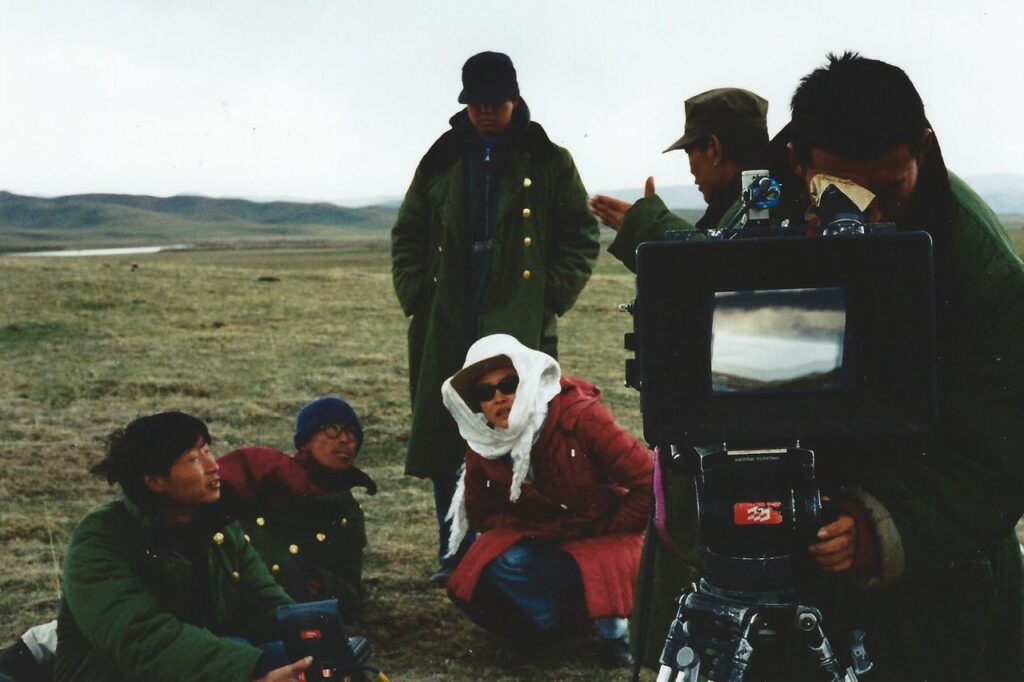
Then I happened to read a novella. Actually, I first heard the story, and I immediately thought, “Wow, this could become a film.” It was about my generation and the fate of an entire generation—a story that nobody had really told before.
Of course, there were no roles in it for me to play, so I thought, “I’ll just write the script and direct it myself.” What drove me was simply the desire to tell that story.
I knew nothing about directing and had never studied it formally, but I had grown up on film sets. I felt comfortable being on set and working with actors and crews. So, I made my first film.
When Xiu Xiu: The Sent Down Girl was released in the United States, Richard Gere happened to see it. At the time, Autumn in New York had lost its director because things had not worked out with the previous filmmaker, and the production was under a lot of pressure. Richard Gere only had that particular autumn available to film it. If they didn’t shoot during that period, the entire project could have fallen apart.
Sometime during the summer—I believe it was around July, which was very late for pre-production—I was approached by the production company Lakeshore and asked to meet with the producers. I went into the meeting without knowing much about the project.
Later, they told me that the two producers had been discussing who could possibly direct the film at such a late stage. Someone at Lakeshore had seen Xiu Xiu: The Sent Down Girl and suggested, “Maybe you could try Joan.”
The producers laughed at first. They thought, “We’re so desperate that we’re considering a Chinese movie star who has never directed an American film before?” But after laughing about it, they looked at each other and said, “Well, we really don’t have anyone else. Let’s meet with her.”
So, we met, and they brought me to MGM. Richard Gere had also seen my film and supported the idea, so they made the decision to move forward.
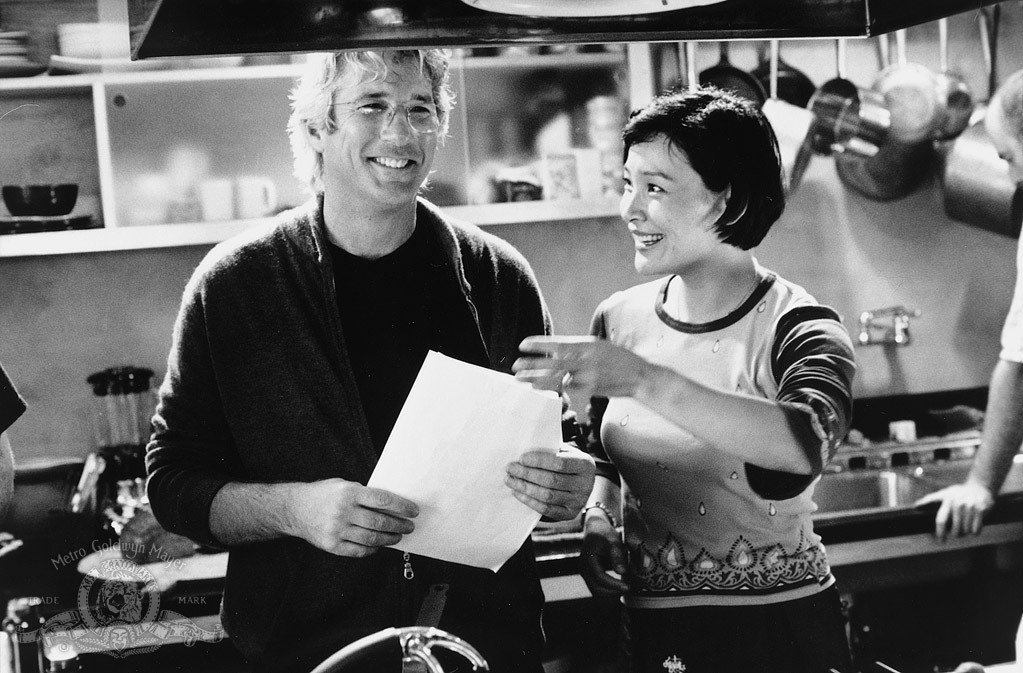
By then, it was already late July. Most of the crew had been assembled, and almost all of the actors had been cast. I was essentially airlifted into New York and dropped into the middle of the production. It was a very different experience because it came from a completely different place.
How did this film fit into your journey as an artist, and where does Montreal, My Beautiful sit within the larger story of your career?
I think directing Autumn in New York and acting in Montreal, My Beautiful are not directly related, but I guess they are connected through my own journey.
I’ve always enjoyed working with writer-directors who create very personal stories. For example, I worked on Saving Face with Alice Wu—that was her story and her relationship with her mother. Then Dìdi was Sean Wang’s story about his mother. Xiaodan also wrote something very personal. It’s her second film, not her first, but she created such a strong character, just like Alice and Sean did. They created characters with deep vulnerability and humanity.
That is what attracted me to the film. So no, I don’t think it is directly connected to Autumn in New York, but being in New York did remind me of my own experiences there.
You learned and performed significant dialogue in French for this film. How did acting in another language influence your performance, and did speaking French change the rhythm or emotional texture of your scenes compared with working in Mandarin or English?
I loved it. I loved the challenge. I loved the fact that, you know, half—maybe even more than half—of my lines were in French because it gave me something new to explore.
When I was speaking French, it felt so different. I mean, there is this stereotype that French is a more romantic language, that it is the language of falling in love. What could be better than that? But at the same time, it was a challenge.
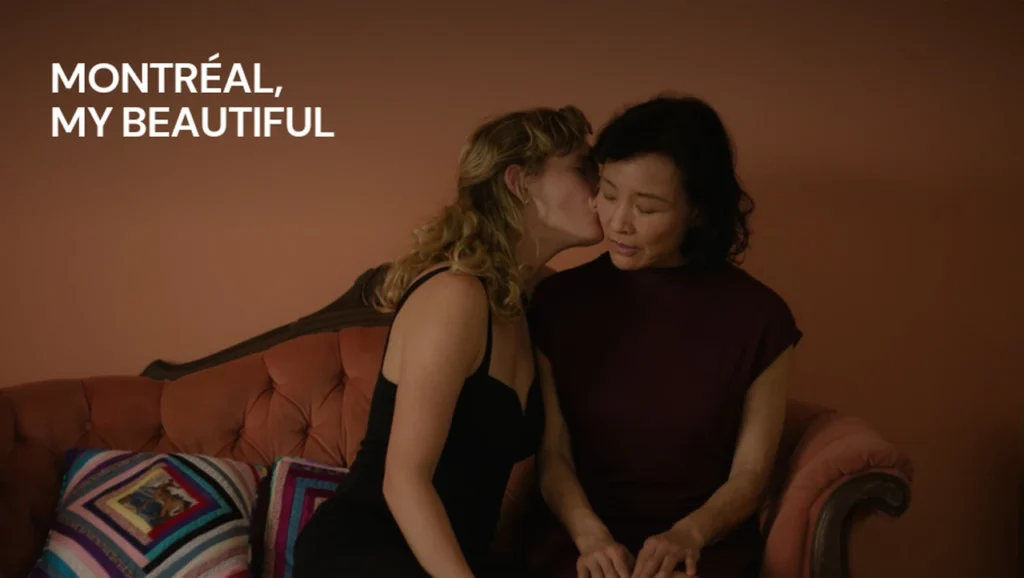
I started learning French about four months before filming. I had zero experience with French when I started, so I gave myself four months to prepare. I would say I had two or three classes a week—actually, three classes a week. I would just repeat the lines 100 times, 200 times, 300 times. I just tried really hard.
It’s like, in Chinese, she is a wife, a mother, and a convenience store owner’s assistant. But in French, she exists exclusively in the language of love. I thought that was so beautiful. So, this whole experience of falling in love through that language was very helpful.
[Author’s Note: Toujours une grande admiratrice, Mme Chen ! I’m excited to continue following your journey and can’t wait to see all the wonderful work you’ll share with us in the future.]

 Lakshmi