 Lakshmi
Few filmmakers have exerted as profound an influence on the evolution of modern Hong Kong cinema as Andrew Lau. A visionary cinematographer before ascending to the ranks of Asia’s most acclaimed auteurs, Lau first forged his legacy behind the camera, crafting the visual language of some of Hong Kong’s most celebrated cinematic works, including Wong Kar-wai’s seminal Days of Being Wild and Chungking Express. He would later cement his stature as a master filmmaker with Infernal Affairs, the seminal crime thriller that revitalized the genre, captivated international audiences, and garnered numerous prestigious honors, including recognition at the Hong Kong Film Awards and Golden Horse Awards among many other accolades.
Spanning more than four decades, Lau’s illustrious career is defined by an extraordinary versatility and an unwavering commitment to cinematic storytelling. From intricately constructed crime sagas and grand historical spectacles to poignant romances and deeply intimate human dramas, he has consistently demonstrated a rare ability to navigate diverse genres with remarkable precision, emotional depth, and visual sophistication.
Now, Lau turns his attention to a very different kind of story with The Dumpling Queen, a heartfelt biographical drama inspired by the life of Zang Jianhe, the founder of the iconic Wanchai Ferry dumpling brand. Trading large-scale action for emotional intimacy, the film explores resilience, perseverance, and the immigrant experience—themes that Lau says resonate deeply with his own journey from a village boy to one of Hong Kong cinema’s most accomplished filmmakers.
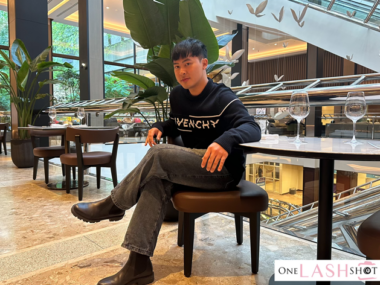
In conversation with One Lash Shot during the New York Asian Film Festival (NYAFF), Lau discusses his unconventional path into filmmaking, the personal connection he felt to Zang Jianhe’s story, collaborating with her family to bring her life to the screen, and why audiences shouldn’t be surprised that the filmmaker behind some of Hong Kong cinema’s biggest action hits has always been equally passionate about telling warm, heartfelt stories.
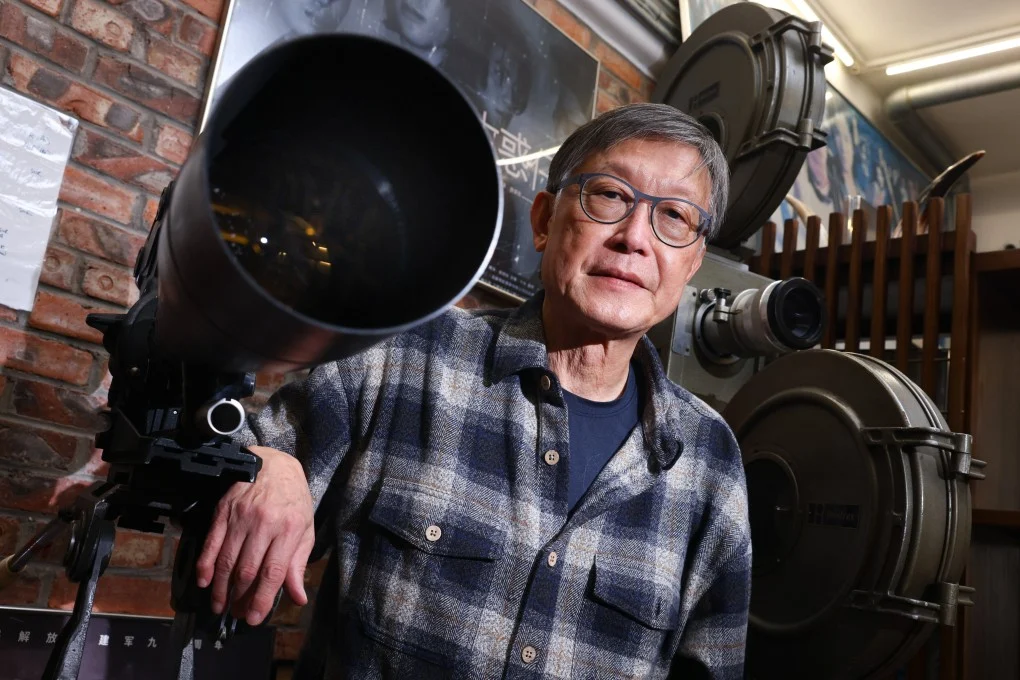
Your career in cinema has spanned both cinematography and directing, from your acclaimed cinematography work on Chungking Express to directing the iconic Infernal Affairs. Could you share how you first entered the film industry, what inspired you to pursue filmmaking, and how your experience behind the camera has shaped your storytelling style?
I mean, when I was a child, I always had the chance to go to the cinema and watch movies for free because my classmate’s father worked at the theater. So, I got free tickets to watch movies. At that time, I was about seven or eight years old. That’s when I started going to the movie theater to watch films.
From then on, I loved movies. I told myself that someday I would make something for the screen. I didn’t know whether that meant becoming a director or making movies in some other way. I never said I wanted to be a movie star. I just wanted to create something that would be shown in a theater.
When I was in high school, I loved taking pictures. I was fascinated by cameras, so I started learning how to develop film. That’s when I became interested in camera work.
After I graduated from high school—not university, okay? —I looked for a job related to cameras. Luckily, in 1981, Shaw Studio, the biggest film studio in Hong Kong, was hiring assistants. I was lucky enough to join the company as a camera assistant.
That’s how I started. Then I became a cameraman when I was 25, the youngest cameraman in Hong Kong. I shot Ringo Lam’s City on Fire, starring Chow Yun-fat. After that, I worked on Wong Kar-wai’s Days of Being Wild with Leslie Cheung, Andy Lau, and Maggie Cheung.
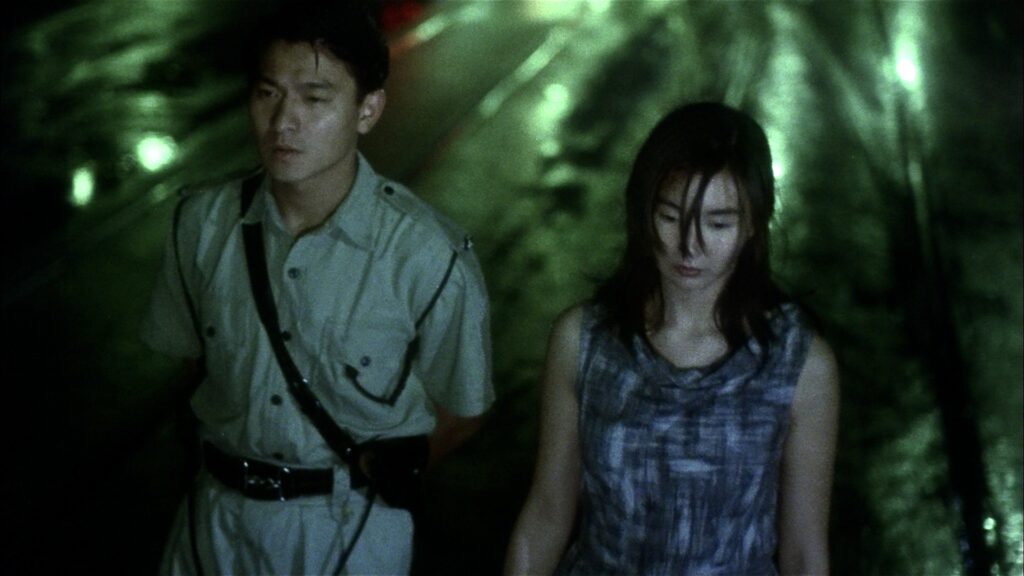
That’s how it all started. I was a cameraman, then I became a director. And now, how many movies have I made? How many? Tell me.
Forty-five? Fifty?
Forty-five or fifty? I’ll give you one more chance.
One hundred something?
You can look it up on YouTube (laughs).
Many audiences know you for films such as Infernal Affairs. What drew you to a project like The Dumpling Queen, which is quite different from the crime and action genres you are often associated with?
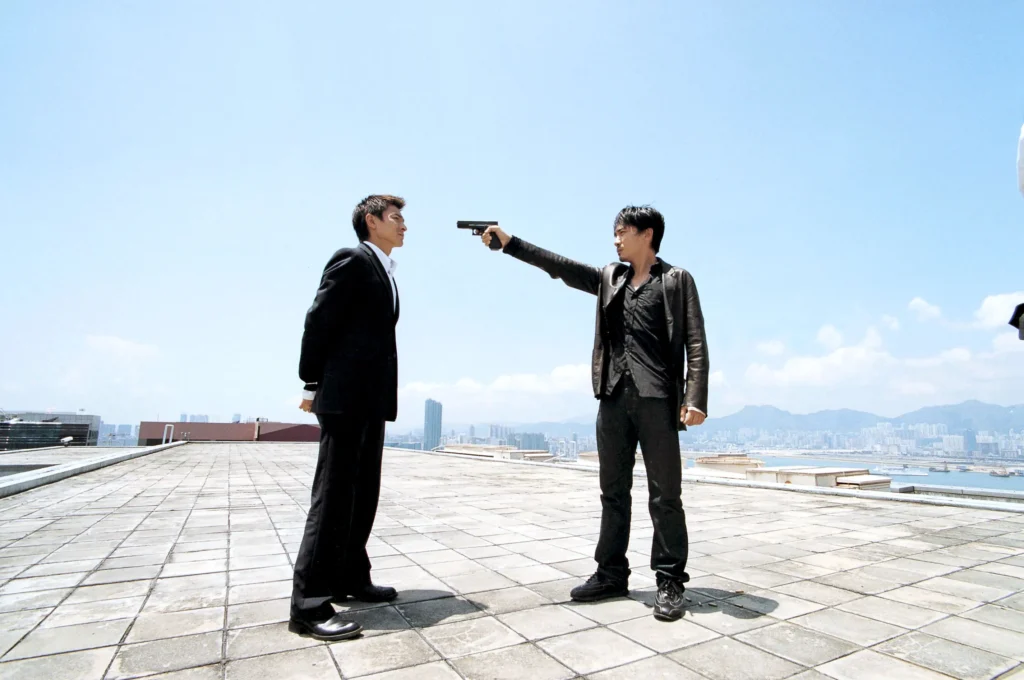
So that’s why I made The Dumpling Queen. A lot of people think Andrew Lau only makes big-budget movies. They don’t think I can make a film centered on a woman’s story. That’s why I wanted to do this one.
The investors told me, “Director Lau, the budget isn’t very big.” I said, “Okay, I’ll control the budget,” because I love the subject matter. I really like this kind of story. And I wanted to prove to people that Andrew Lau can make this kind of warm, heartfelt film.
You already did A Beautiful Life. That’s not exactly an action film either.
Yeah, A Beautiful Life with Shu Qi. Then there was Sausalito which I shot in San Francisco with Leon Lai and Maggie Cheung. That’s a love story too. So yes, I can make many different kinds of movies. I’ve proved to everybody that I can do it. And The Dumpling Queen also did very well at the box office last year.
The film is inspired by the remarkable true story behind the Wanchai Ferry brand. What was it about Zang Jianhe’s journey that resonated with you as a filmmaker?
Ms. Zang came from Mainland China, not Hong Kong. She arrived in Hong Kong in 1976. Coincidentally, I also moved to Hong Kong in 1976. I came from what people would call a village and moved to the city.
At that time, a lot of people looked down on me. They called me a country boy. Zang Jianhe came from the mainland, and people looked down on her too. They saw her as a country woman.
That’s why I felt a strong connection to her story. When you come to the city, people look down on you. I worked as hard as I could to become a cameraman and then a director. Jianhe worked just as hard, using her own hands to make dumplings and eventually build a successful company.
In that sense, our journeys are quite similar. That’s why I wanted to tell this story. I want to show people that no matter where you come from, if you work hard, keep learning, and have good character, you can build a good career and become successful.
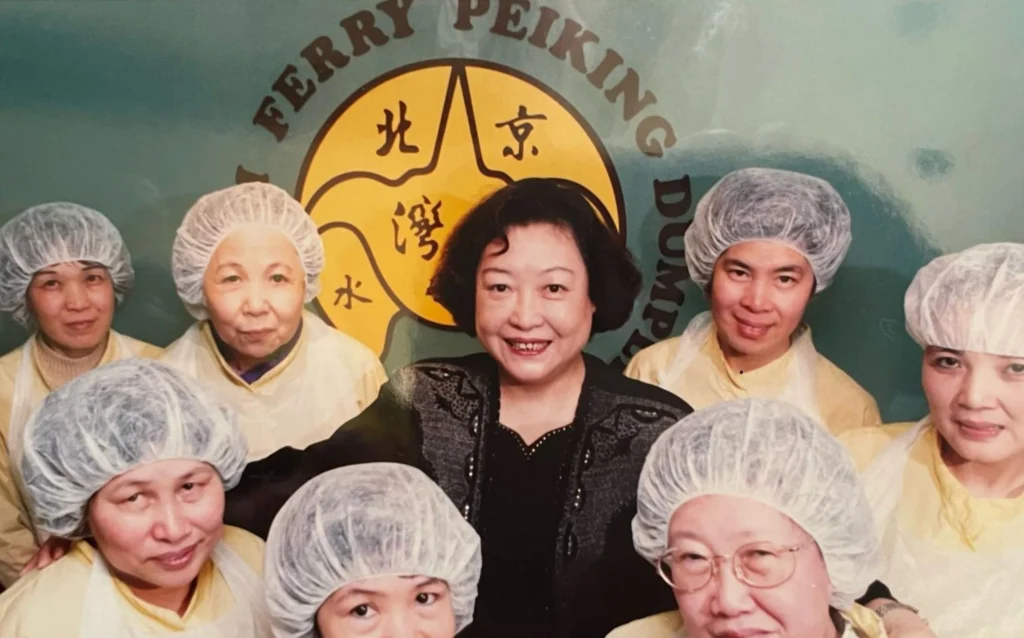
Did you ever have the opportunity to meet Zang Jianhe personally, or learn about her story through those who knew her?
No, no, no. By the time I heard her story, she had already passed away. But I met her daughters, Joanna and Jessica.
When the company first called Joanna and told her, “Director Andrew Lau are going to make a movie about your mother,” she said, “Hey, don’t lie.” She thought it was a scam. You know, there are so many cheating calls in Hong Kong, so she didn’t take it seriously.
But eventually, she came to my company. She was really happy because she wanted to share her mother’s story with everyone. So, we worked together to develop the film. Joanna told us all about her mother’s life, especially what it was like when she first settled in Hong Kong. That helped us a lot.
Now we’ve become good friends.
And the most interesting thing is, I get to eat dumplings from her company for free! Not just dumplings—even ice cream and other products. They told me they’ll sponsor me for the rest of my life!
The film suggests that Zang Jianhe eventually sent her daughters to study in Canada. It also portrays a close friendship with the policeman who supported her during difficult times. To what extent were these elements inspired by real events?
In real life, there wasn’t any romance because she was always working, working, working. She didn’t have time for that.
But in movies, you have to mix things up a little. A little romance makes it better.
I also chose the song “Goodbye Girl” because I really love it. When Jianhe turns down the police officer after he expresses his feelings for her, he walks away, and “Goodbye Girl” starts playing. I really love that song.
Did you recognize it? We needed to add a little romance to the movie.
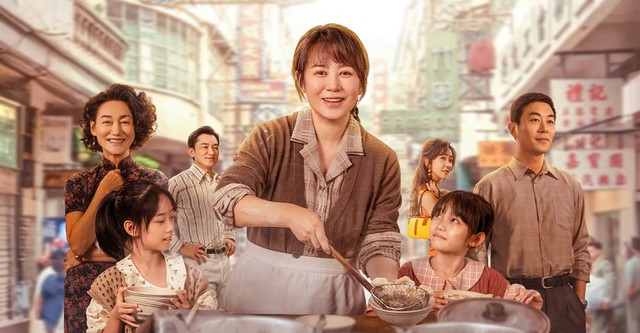
[Author’s Note: 劉導,非常多謝您!我好期待再睇您之後嘅一百部電影,無論係動作片、愛情片,定係好似《水餃皇后》呢種勵志成功故事,我都一定會支持!]

 Lakshmi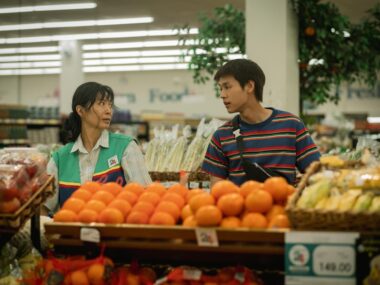


-2-300x225.png)