 Lakshmi
Japanese filmmaker Chihiro Amano brings a unique perspective to human stories, exploring the struggles, desires, and unexpected connections that shape people’s lives. With Magical Secret Tour, she transforms an unusual crime story into an intimate exploration of friendship, survival, and reclaiming control over one’s own future.
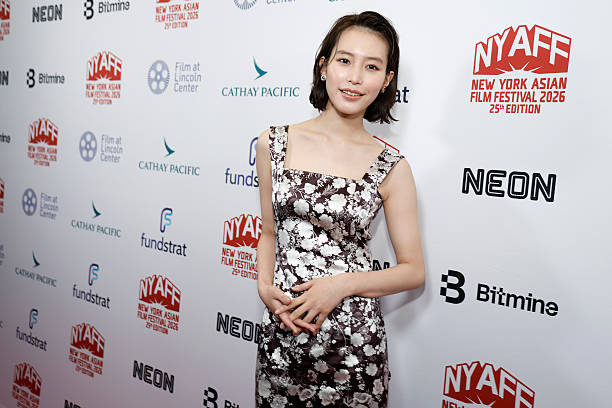
Sara Minami is one of Japan’s most promising young actresses, recognized for her ability to portray emotionally complex characters with remarkable sincerity and nuance. Since making her acting debut as a child, Minami has steadily built a reputation for her natural screen presence and her ability to bring vulnerability and depth to every performance.
She gained wider international recognition through her role in the Netflix series Nevertheless: The Shapes of Love, while continuing to expand her body of work with acclaimed performances in projects such as Ride or Die, The Good Father, and The Village. Across film and television, Minami has demonstrated a remarkable versatility, capturing the quiet struggles, hopes, and complexities of the characters she portrays.
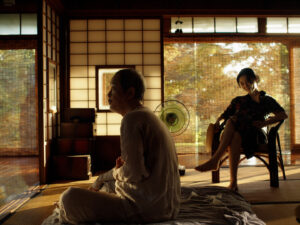
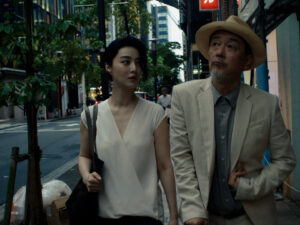
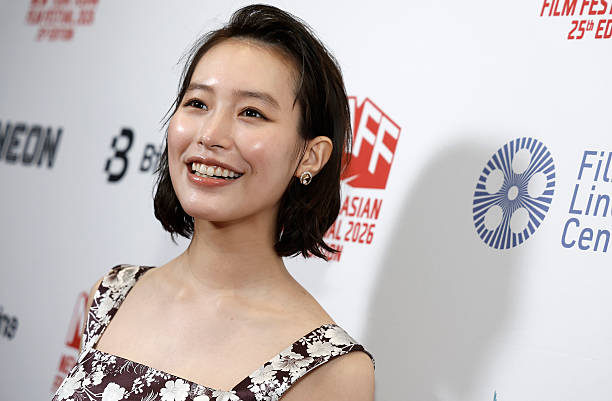
Inspired by a real gold smuggling case, the film follows Wakako (Kasumi Arimura), a housewife whose life is upended by her husband’s debt, as she travels to Singapore and becomes involved in gold smuggling alongside Kiyoe (Haru Kuroki), a researcher burdened by debt, and Mayu (Sara Minami), a pregnant woman struggling to rebuild her life. Together, the three women discover a newfound sense of freedom and connection through their unlikely journey. The film also features appearances from Akihisa Shiono, Yuzu Aoki, and Takumi Saitoh.
In conversation with One Lash Shot during the New York Asian Film Festival (NYAFF), Amano and Minami discuss the inspiration behind Magical Secret Tour, the film’s exploration of women searching for agency, and their experiences bringing this unconventional and heartfelt story to the screen.
How did you each first find your way into the world of film? Was there a particular moment when you realized that cinema was the path you wanted to pursue?
Amano: As a university student, I studied abroad in China. While I was there, I found that I had a lot of free time, and that’s when I really started getting into Asian cinema. In particular, I was drawn to Chinese films by directors like Zhang Yimou and Jia Zhangke, Korean films by directors like Lee Chang-dong and Bong Joon Ho, as well as Japanese films.
Rather than getting into film through Hollywood, I became interested in movies that depict intimate, everyday human dramas. When I returned to Japan, I thought, I want to make films too. So, I joined the cinema club at my university and made an independent film.
Sara: Ever since I was little, I wanted to become an actor, and it was something I would always tell my family.
When I was in elementary school, a family member came across an audition in a magazine. I entered the audition, was accepted by an agency, and that’s where I learned how to act.
The Magical Secret Tour is inspired by a real-life gold smuggling case, but the film focuses less on the crime itself and more on the women involved. What drew you to this story, and what made you want to explore it through the perspectives of these three women?
Amano: I am interested in telling stories about the struggles that different women face.
Yes, they commit a crime, but in doing so, they also find a shared goal that brings them together and allows them to regain a sense of power. By reclaiming that power, they are able to move forward in their individual lives.
When I talk about their struggles, I mean the challenges of living in a capitalist, individualistic society, where money becomes increasingly difficult to earn, pushing them toward crime.
Through the money they obtain, they also gain a sense of power. That’s the kind of story I wanted to tell.
Each of the three women faces a different kind of struggle, which is why I wanted to include each character’s perspective.
Did you have the opportunity to meet or learn about the real people involved in this case?
Amano: No, I didn’t have that opportunity, and I wasn’t trying to depict the women who were actually involved in the real-life events.
Sara, Mayu is the youngest of the three women and is facing an incredibly difficult situation—she is single, pregnant, and has no financial security. What was your first reaction when you first read the script and discovered her character?
Sara: Well, first, I was struck by how unique the themes of the film were. Of course, I had never heard of a story about smuggling gold bars before. I found that element surprising, but I never felt any kind of distance from the characters.
The struggles that each of the characters faces are not necessarily very hopeful. However, I felt that the story had a lot of forward momentum and energy. I knew it would become a very exciting film.
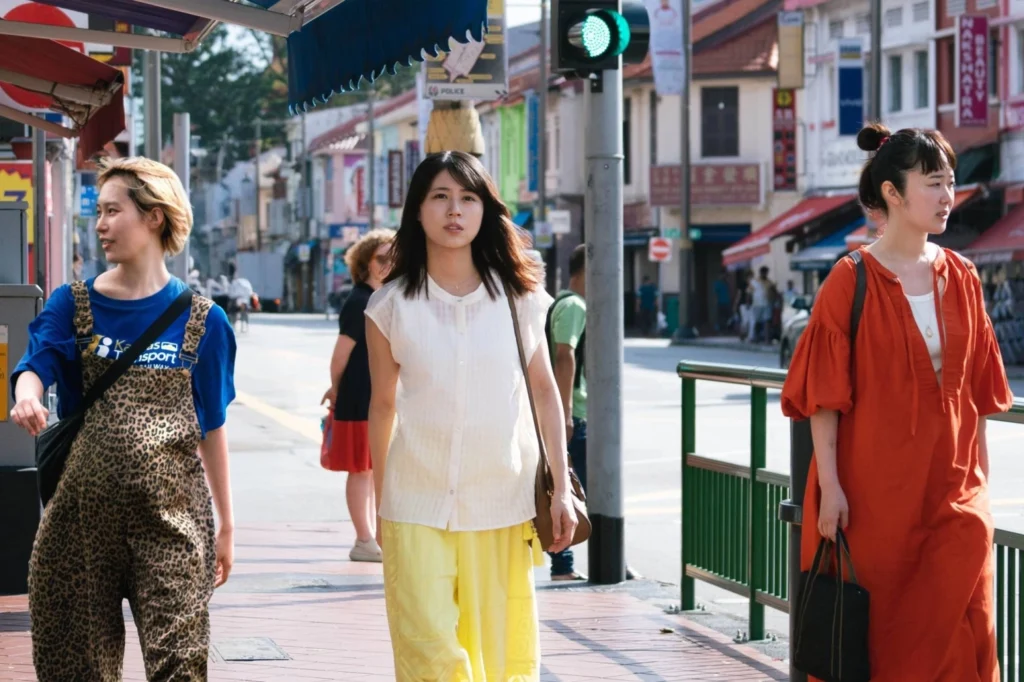
The title The Magical Secret Tour suggests something mysterious and almost dreamlike. How did you interpret the meaning of this “magical tour” in relation to the journey these three women experience?
Amano: For me, it has a lot to do with the actual crime of smuggling gold, which felt very strange to me—almost like magic. Gold itself is a legal thing, but once you move it across borders, it somehow has the ability to create this kind of money.
So it made me question the simple idea of how money is created. It seemed very strange and mysterious to me. In fact, it’s something very unique to this particular crime.
I also wanted to connect that idea with the magical sense of time that the three women experience together, and I wanted that feeling to be represented in the title.
Sara, the relationship between Mayu, Wakako, and Kiyoe gradually develops into something like a temporary family. What was the experience like working with Kasumi Arimura and Haru Kuroki? How did you build that sense of connection and trust between the three characters?
Sara: Well, on set, I would say that we created a very natural and relaxed atmosphere. I think that’s also how the characters are portrayed.
The other two actors I worked with were very thoughtful in helping to create that relaxed environment. So I don’t remember it being a struggle to develop that kind of dynamic between the three of us.
Do you think extreme circumstances can truly drive ordinary people to make choices they never imagined, such as becoming involved in gold smuggling as a way to survive, even while knowing the risks and the possibility of being caught? Considering Japan’s strict laws and the serious consequences surrounding these crimes, how did you approach exploring the motivations and desperation behind such decisions?
Amano: So, in reality, there are increasing instances of what are called yami baito (闇バイト), which are essentially illegal part-time jobs that many young people in Japan are finding themselves involved in.
Basically, they reach a point where they are desperate for money, and they are persuaded to do these illegal things. These are choices that cannot easily be undone. Of course, crime is wrong, but I think there is always a reason behind why people want or feel the need to do these things. That is what I wanted to focus on with this film.
If you had to describe the film in one word or a phrase, what would it be?
Amano: It’s about a housewife who is able to achieve her dreams through smuggling.
Sara: It’s a story about taking back control of one’s life.
What is your favourite scene in the movie? Was there a particular moment that you especially enjoyed filming or had fun shooting?
Amano:For me, I love the scene where the three women, after having a meal, get into a taxi.
It’s an interesting scene because the three of them look so tired, but you can also sense that they are finally growing closer. There is also a beautiful night landscape in the background, and I feel that the scene captures this idea of a magical secret tour.
In Singapore, there is a moment where Kasumi Arimura is looking out the window while holding her child, and I found that image very memorable.
Sara: For me, it’s the scene before that, where the three women are at a restaurant having wine. Shooting that scene was really fun because, first of all, the food was really good.
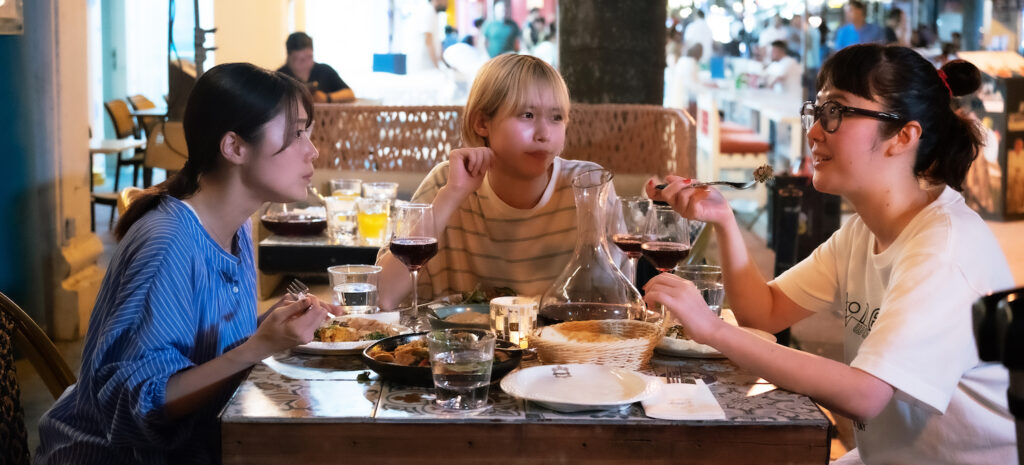
I felt that you could really experience the atmosphere of Singapore. There was a mosque nearby, so we could hear the call to prayer, and there was music coming from the restaurant next door.
There was a sense of everyday liveliness around us, which made the shoot a very enjoyable experience.

 Lakshmi


-2-300x225.png)