 Lakshmi
In The Outer Threat, director William Woods explores the fragile line between discovery and consequence, asking what happens when humanity encounters a truth it may not be prepared to face. Blending science fiction with an intimate survival thriller, the film examines questions of trust, morality, and the choices people make when the world around them begins to collapse.
The film marks Woods’ ambitious feature directorial debut, brought to life through a deeply collaborative process and a creative team that helped shape its tense, atmospheric, and emotionally grounded visual world. Rather than relying solely on spectacle, The Outer Threat places its focus on human relationships and the emotional weight of impossible decisions.
At the center of that story is a talented ensemble cast, including Mark O’Brien as Daniel Ashford, a scientist whose discovery sets the film’s events into motion, and Constance Wu as Michelle Guthrie, whose character brings a grounded perspective on family, responsibility, and the dangers of revealing a truth the world may not be ready to accept. William Fichtner’s portrayal of Sam introduces another layer to the story—a character whose kindness, mystery, and moral complexity challenge the family’s understanding of trust in a rapidly changing world.
William Fichtner is a versatile character actor known for his commanding performances across film and television. His notable credits include Armageddon, The Dark Knight, Black Hawk Down, Contact, and The Perfect Storm. On television, he earned acclaim for roles such as FBI Agent Alexander Mahone in Prison Break, Sheriff Tom Underlay in Invasion, and Adam Janikowski in Mom.
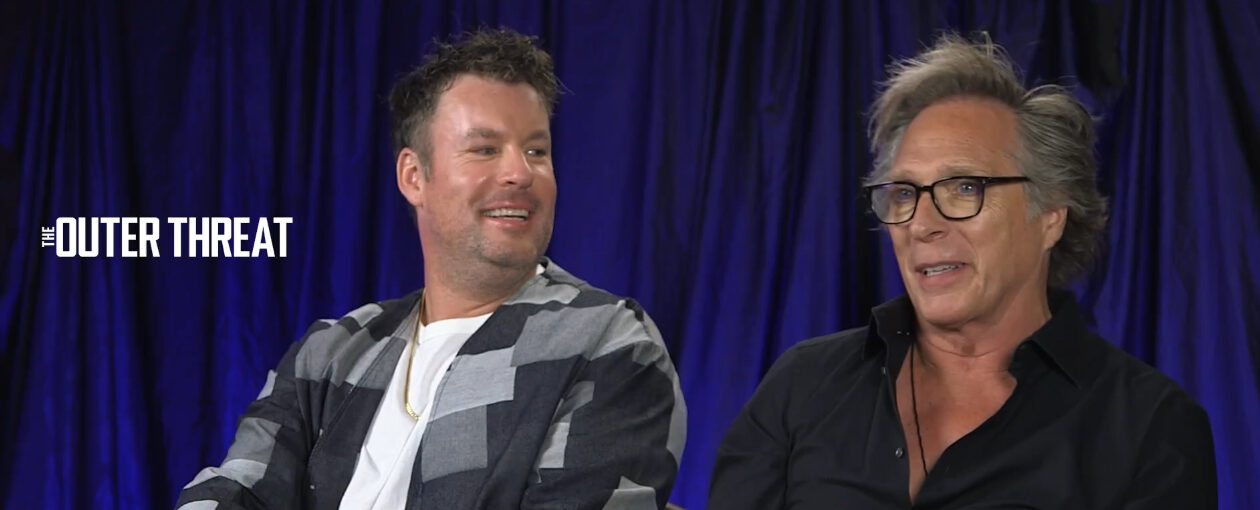
In this conversation with One Lash Shot, Woods and Fichtner discuss the ideas that inspired The Outer Threat, the challenges of exploring humanity’s relationship with the unknown, the collaborative process behind bringing the film to life, and the unforgettable moments that shaped this thought-provoking sci-fi thriller.
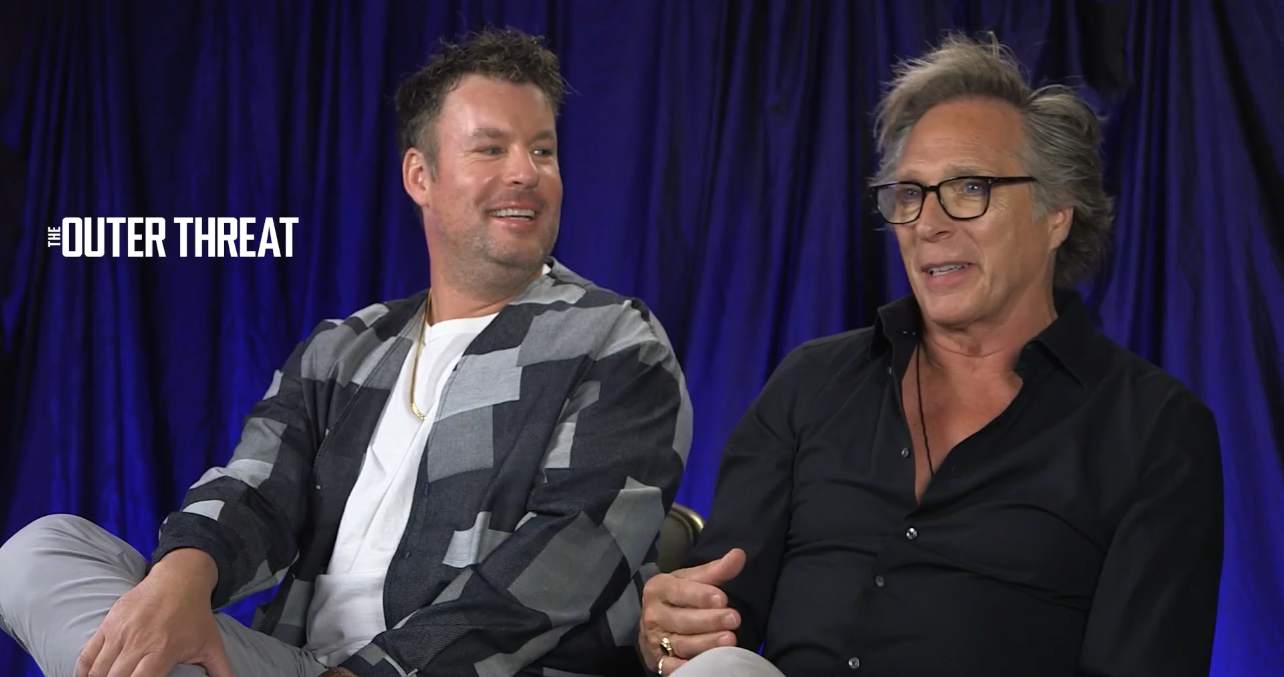
At its core, The Outer Threat isn’t just about extraterrestrial life, it’s about family, trust, and paranoia as well. So, what was the first idea that sparked the story for you?
Director Will Woods: Well, I think I’ve always loved exploring philosophical ideas through thriller or adventure genres. So, I’ve thought a lot about existential threats to humanity, and I’ve wondered what it would look like if we were to discover extraterrestrial life.
I tried to imagine what that would look like in practical terms. We would probably see them many light-years away—they’re not going to come and visit us or be among us. But I became interested in how this family would interact with the idea that we’re not alone, and then how the rest of the world would react.
I also loved the challenge of giving these characters very privileged information that isn’t widely known, while the world has essentially shut down—maybe because of something they’ve done, maybe not. They’re trying to reconcile these three days of no power and no communication, without really understanding what’s at stake or what’s threatening them, while also figuring out how to deal with the information they have.
And I’m trying to talk about it without spoiling anything, which I feel like I did a bad job of there.
William, your character often possesses a quite authority and moral complexity. And it starts off as a nice person, and then simply isn’t.
Director Will Woods: So, I think he’s a nice person! Don’t you?
So, what initially drew you to the role of Sam in The Outer Threat when you first read the script?
William Fichtner: Well, it’s always the script first, you know—the whole journey of the story, which was really exciting for me.
I thought it was thrilling. It was scary. It made you wonder. These are the kinds of stories you read, and it’s very easy to put yourself in them. It was easy for me to put myself in it and think, Wow, where would you go? What would you do? Would you do the same thing? Would you get in the car? Would you leave?
And then, in the middle of this whole story, there’s this family and the person they meet along their journey. What’s he all about? Is he for real? He says he came here because he cared about people and wanted to take care of them—but is he actually taking care of them? And if he isn’t, why?
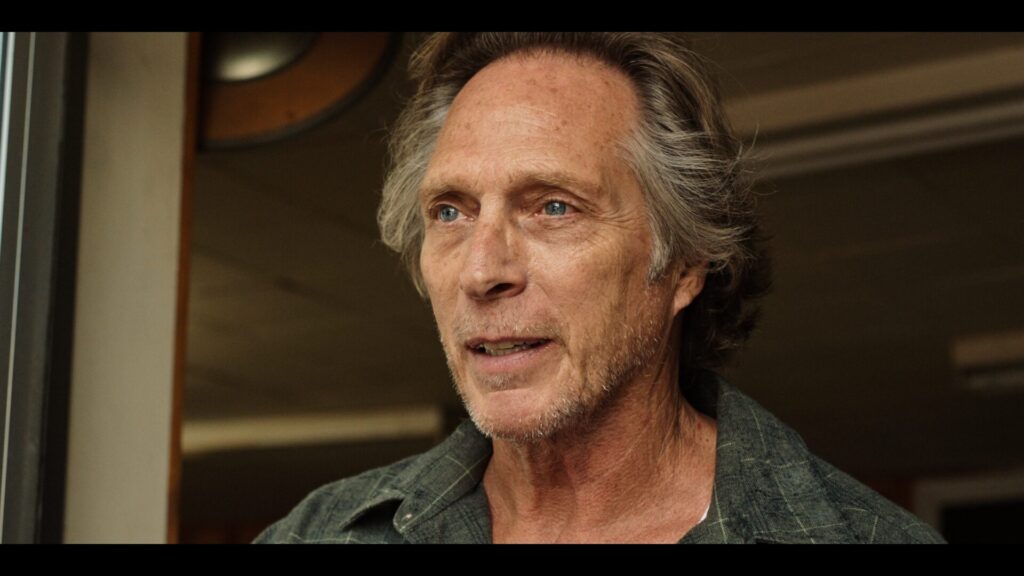
Going along with you on not wanting to give too much away, that’s what I found so fascinating about it, because I don’t think it’s a story with a simple answer. I don’t think any of us would have a clear answer. There are choices to be made: are you taking care of everyone, or are you maybe just taking care of yourself?
Director Will Woods: Do you think you would have made the same choice Sam ultimately makes?
William Fichtner: I don’t know if, this early on, with everything that’s happening in the world in this story, that choice would have come as quickly. But I can’t say that it might not have happened down the road.
We don’t know what tomorrow is going to bring. You know, that’s what’s so riveting about this story—you really don’t know what’s around the next bend.
And that’s scary. That uncertainty really dictates what people do. People make choices that, if you asked them beforehand, “Would you ever do that?” they’d say, “No, I’d never do that.” But put yourself in those circumstances, and you just might.
Were there any real scientific theories or conspiracies that this was based on?
Director Will Woods: I’m a big fan of the philosopher Nick Bostrom, and he wrote this paper called the “Vulnerable World Hypothesis,” which explores the existential risks of unbridled progress and discovery.
Obviously, it’s part of human nature to want to discover, explore, and advance. But that paper really made me think about where we’re headed and what our moral future could look like.
Especially sitting here today, I find it difficult to imagine what the world will look like even 10 years from now, and how we’re going to address and deal with some of these challenges that seem to be coming closer and closer on the horizon.
What initially drew you to this project, and how much did the opportunity to work with Constance Wu and Mark O’Brien influence your decision to join the film?
William Fichtner: You know, every time you look at something, a potential opportunity, you put all the pieces together. Constance and Mark being in this were definitely a plus. I’m a fan of both of them, and it was great to be with them.
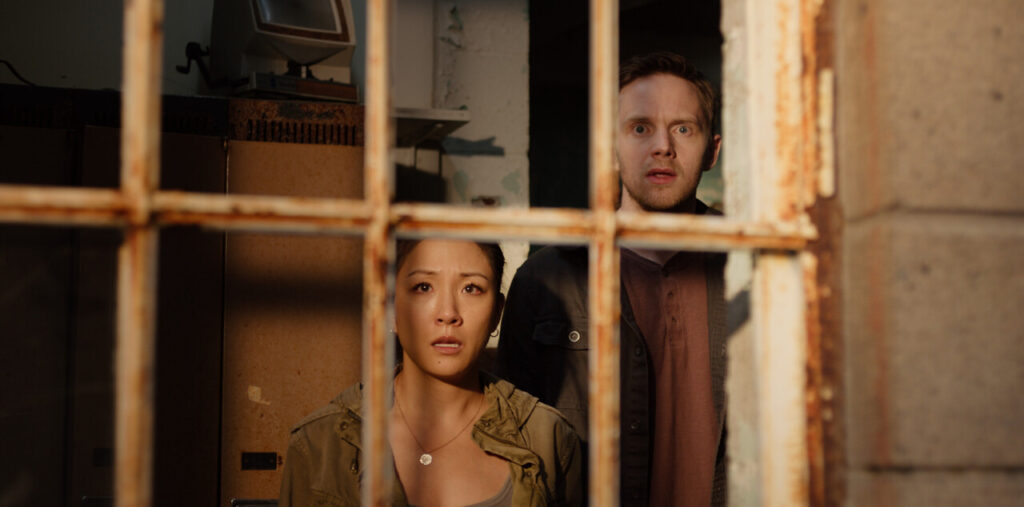
But, you know, most of all, I have to go back to the thing itself. The actors are wonderful, but it was the circumstances of the story. It’s not even like you have to try to figure out, “I wonder what this moment is about.” No. They knock on the door, and it’s really clear what the moment is all about—what’s going on in the world for all of them.
And that’s such a unique set of circumstances. So to have two really incredible actors there with you was just a joy to explore.
Looking back at the shoot, was there one scene that became everyone’s favorite to film?
William Fichtner: Well, that’s really because he’s got all kinds of scenes in this sequence. So this is his question, and I want to hear this answer.
Director Will Woods: Well, I’ll say the whole process was amazing. I mean, I got—I was so lucky.
I was a first-time feature director, but I got to make a movie with a bunch of my best friends in the world. The three producers, Allison White, Maddy Falle, and Albert Shin, I’ve made several movies with all of them. I’ve known them for a long time, and they were kind enough to help champion this project.
And the cinematographer, Mike McLaughlin—I think I’ve made eight films with him as a producer. So there were so many people involved, and I’m forgetting to mention 10, 20 other people, but I don’t think a lot of first-time directors get the opportunity to have a group of people that they love and trust so much and be able to make a movie with them.
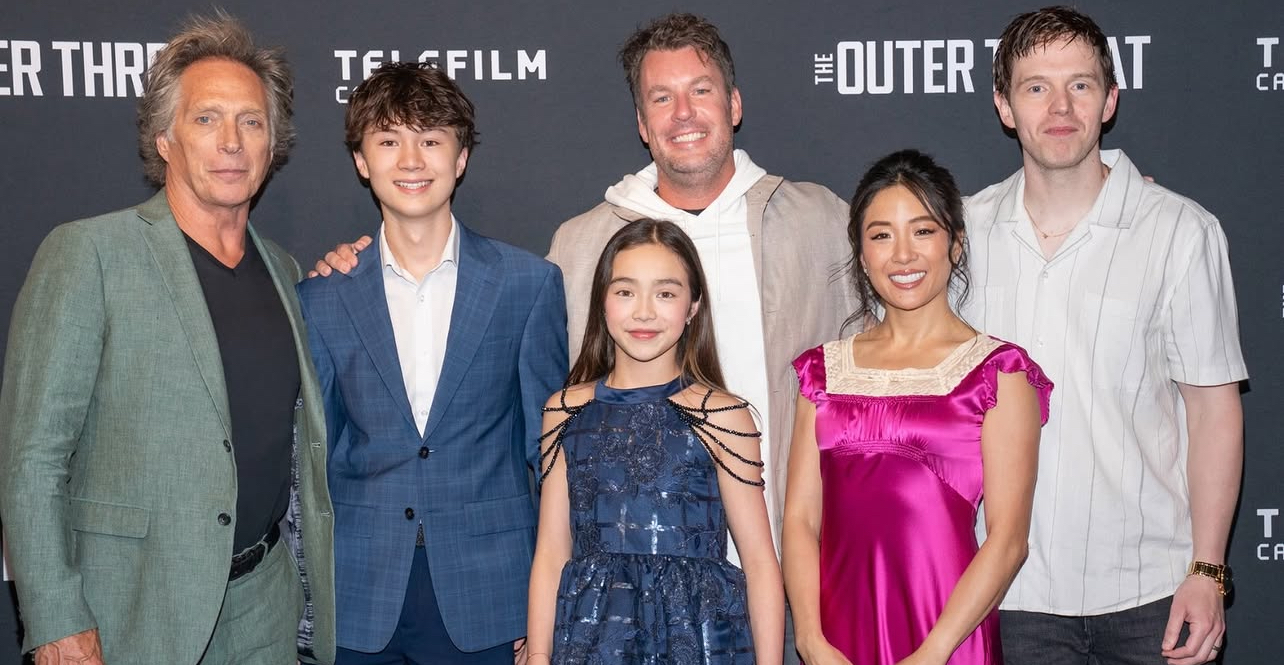
And then, even being able to have dinner and hear stories from Will, Constance, and Mark, and get to know them as people outside of being on set—that was really special. We were lucky that the cast and crew really wanted to build a community and spend time together after shooting, getting to know each other as people.
But honestly, the answer is there are so many moments. I would say working with Will and shooting this scene, having this very tense moment with Constance and Will—I think both of their performances are beautiful. It was even better than I imagined it in my mind.
I always knew I needed a character, or an actor, who could be warm and vulnerable, but also able to turn threatening very quickly. And you did that so naturally.
William Fichtner: And, uh, it was just me in my everyday life. (laughs)
Director Will Woods: Well, you know, but no, that was one of my favorite scenes. The sequence when they go to Sam’s diner is one of my favorite moments in the film.
If you had to distill the entire film into a single word, what would it be?
Director Will Woods: Paradoxical.
William Fichtner: Hope.

 Lakshmi