 Lakshmi
Bao Nguyen has built a distinctive voice in contemporary documentary filmmaking, creating films that explore the emotional stories behind cultural movements, iconic figures, and moments of collective memory. Known for his ability to balance cinematic craft with intimate human storytelling, Nguyen approaches his subjects not simply as global phenomena, but as individuals shaped by ambition, vulnerability, and connection.
His acclaimed documentary work, including Be Water, a portrait of martial arts legend Bruce Lee, reflects his interest in examining the people behind the mythology—the personal histories and emotional landscapes that exist beyond the public image. In BTS: The Return, Nguyen turns his attention to one of the most influential K-pop groups of a generation, capturing the journey, artistry, and enduring bond of BTS members RM, Jin, SUGA, J-hope, Jimin, V, and Jungkook with their fans around the world. Through intimate access and creative choices—including the use of old-school camcorders—the film offers a cinematic look at the individuals behind the global phenomenon.
In this conversation with One Lash Shot during the New York Asian Film Festival (NYAFF), Nguyen reflects on the filmmaking process behind BTS: The Return, the challenge of capturing a global cultural force with intimacy and honesty, and the creative choices that shaped his latest documentary.
What inspired you to make a documentary centered on BTS, and what drew you to this particular story of their post military comeback and Arirang album recording?
I went to their concert in Los Angeles in 2021, and it was the loudest concert I’ve ever been to—in the best way possible. I felt like there was something very special about that concert because it was one of their last concerts before they left for military service. It almost felt mythical in some ways. When they were talking to ARMY, there was such an emotional resonance between them and the fans that was incredibly powerful. For me, it almost felt like ARMY was Penelope in the story of The Odyssey and BTS was like Odysseus.
I thought, “Well, that’s an interesting framework through which to think about this story.” So, I shared that idea and asked, “Can I follow them while they’re in military service?” It would have been a true Odyssey—following their journey away and then capturing their return.
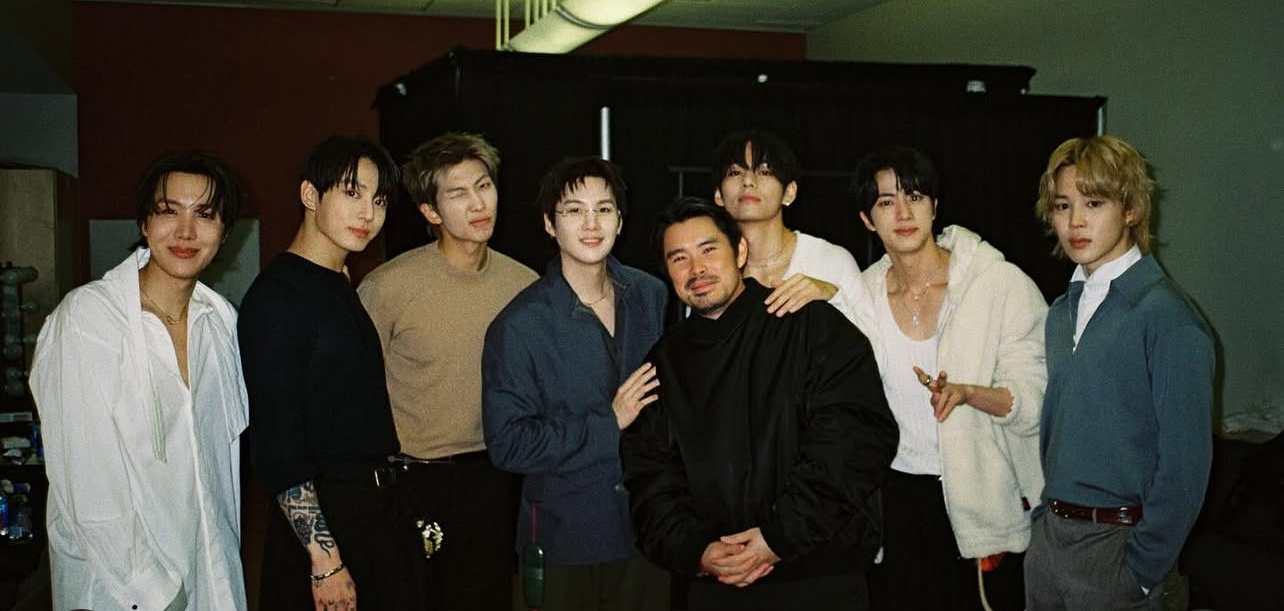
But because of privacy and security issues, they couldn’t allow me to film during the military service period. When they were preparing to leave military service, the label reached out and asked if I would be interested in filming their return. That’s how I became involved with making BTS: The Return. They wouldn’t allow cameras or anyone from the outside into the military base, so the first time I met them was at the recording studio in Los Angeles, when they had just started recording again.
How did RM’s discussion on the Greek concepts of Kairos and Chronos during your car ride in Los Angeles shape the existential and temporal themes of the entire documentary?
Oh, my God. It was sort of happenstance in many ways. I had mentioned to the group that the outline of how I was thinking about the story was through The Odyssey.
But RM is such a philosophical and wise person. We were in the car on the way to the recording studio, and he just started talking about Kairos and Chronos. My mind was completely blown because it perfectly aligned with my idea of using Greek mythology and Greek concepts to frame the story.
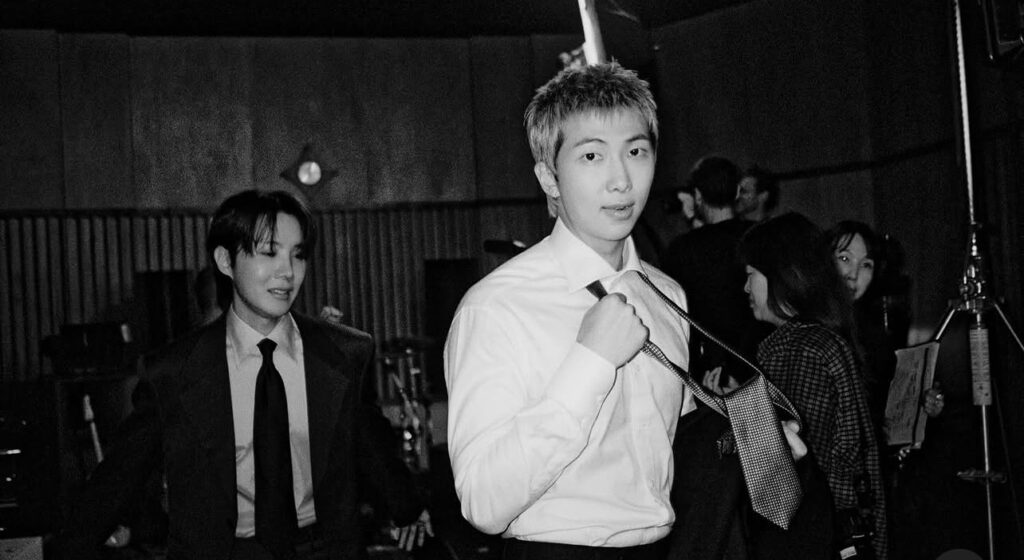
Photo: Bao Nguyen
For RM to already be thinking about his time in the military and his time in Los Angeles through the ideas of Kairos and Chronos was really incredible. It was one of those moments as a filmmaker—especially in documentary filmmaking—when you think, “Okay, there’s an energy here that’s really unique and special.”
I understand you also gave the BTS members old-school camcorders to document parts of their own journey. What inspired that creative choice and were you surprised by the moments they captured when they filmed themselves?
I would say that, in the beginning, when we gave each of them a camera, some of the members were more open to filming themselves, while others were a little more shy and private. You don’t necessarily want to open up your entire life—especially your personal life and what happens behind the curtain—too much.
But I was pleasantly surprised when they returned the footage. Seeing how much they had filmed and discovering who had captured what was like a little Christmas gift in many ways—to go back and watch that material was really special.
For me, the intention was never to be with them 24/7 with our film crew. That would have been impossible. So, the question became: How do we allow them to show their own perspectives on the story without having to worry about missing a moment?
There’s also such a unique texture to these video camcorders. They could have always filmed on their iPhones, but being able to see their experiences through the perspective and lens of these older mini-TV cameras gave the footage a different feeling. To me, it almost felt like family home-video footage—like something your uncle would have recorded during a family vacation.
That sense of familiarity made the footage feel much more raw and intimate in many ways.
There’s a memorable scene where you’re filming V with his close group of friends. That felt incredibly intimate. How were you able to gain the trust and permission to capture such a personal moment?
When we went to Korea and followed all the members after they returned from Los Angeles, it was really important to me to show them outside of the recording studio—to capture moments that grounded them in their everyday lives.
You see Jungkook with his dog, Jin playing tennis, and V spending time with his group of friends. They are all very famous people, of course, but this is what V does in his free time. You see J-Hope working on ceramics, RM visiting a museum, and Suga moving around Seoul. All of these moments helped illuminate who they are as human beings beyond being musical icons.
What was also special was that many of these moments came from their own suggestions. They would say things like, “I’m going to hang out with my friends today. Do you want to film that?” And I would say, “Sure.”
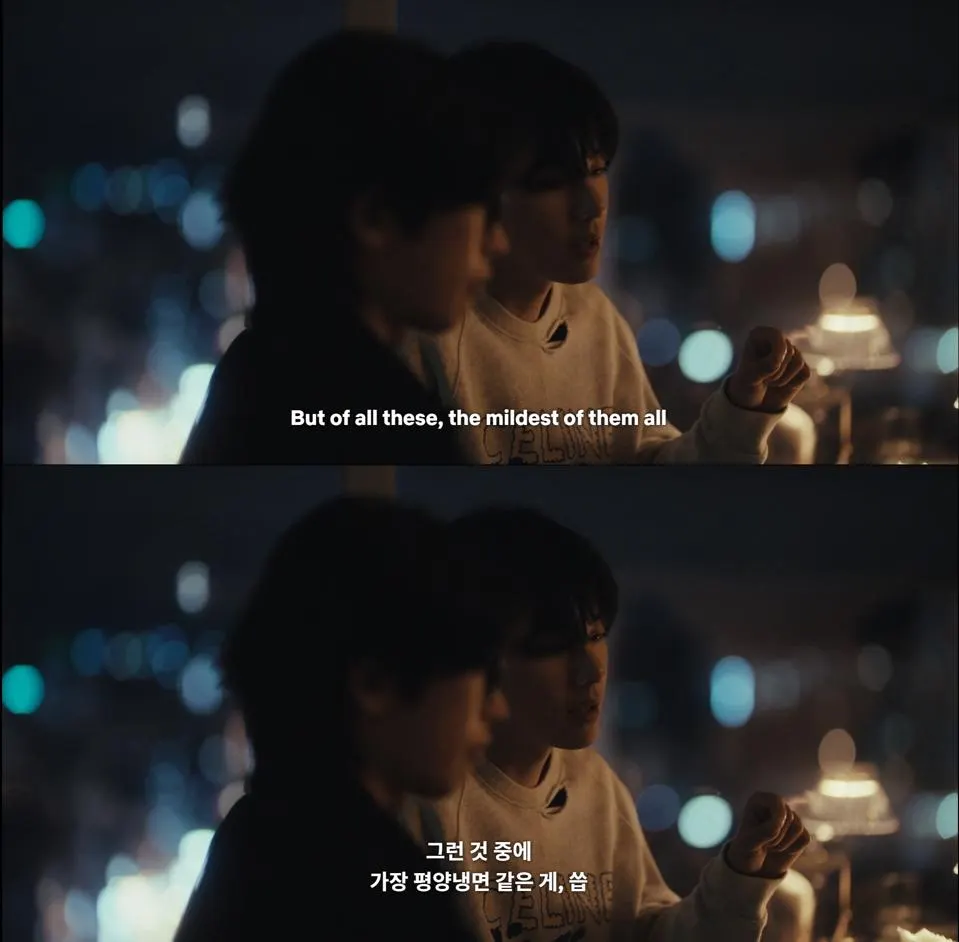
Photo: Bao Nguyen/Netflix
Then, when we realized who those friends were, it was pretty amazing. I knew that V had famous friends, but I didn’t realize that we would be filming something as simple as him going to dinner with them that night. Those moments felt very natural and gave us a glimpse into their lives beyond the stage.
The documentary takes viewers from Los Angeles to Seoul. How different was the experience of filming in those two cities? I imagine the fan energy in Korea must have been incredible.
I always knew I wanted those locations to feel distinct without making them feel like two separate films. I think it’s also natural because Los Angeles and Seoul have such different visual identities.
As you mentioned, we were fortunate to experience these places during different seasons. Los Angeles has a very specific, evocative quality, while fall and winter in Seoul create a completely different atmosphere. Visually, those contrasts happened quite naturally.
But beyond just the visuals, we also wanted the environments to reflect the different lives the members were experiencing in each place. In the Los Angeles scenes, there are a lot of exterior shots. We’re outside often, in open spaces, and there’s a sense of freedom and movement.
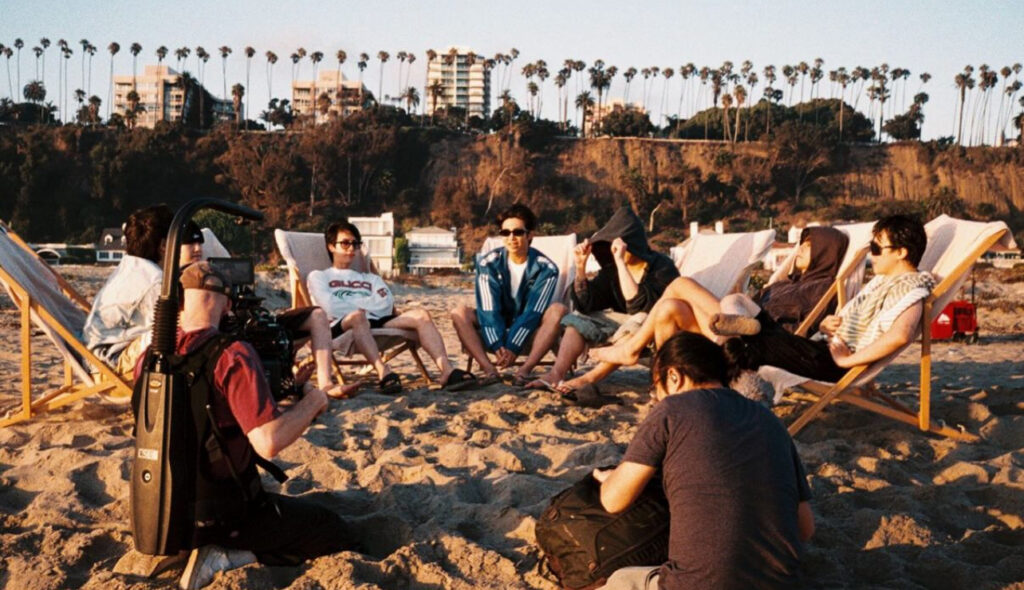
Photo: Bao Nguyen
In Korea, the approach is much more interior. We spend a lot of time at the HYBE office and inside with the members, creating a more intimate atmosphere. It was important to show that the lives they lead in each place are very different, and that contrast became part of the story.
The title Arirang carries deep cultural significance. For those unfamiliar with it, what does “Arirang” represent in your perspective?
It’s hard for me to answer that because it’s ultimately an opinion based on what I witnessed. But I think it comes down to the sense of longing. Thematically, the song is about longing, but it also has such a wide range of interpretations. From the people I’ve spoken to—whether they live in Korea or are part of the Korean diaspora—everyone seems to project their own feelings and experiences onto Arirang.
In that way, it becomes almost like a blank canvas where people can place their own ideas, while still being grounded in a strong cultural tradition that anchors the meaning behind it. It can exist in both ways at once.
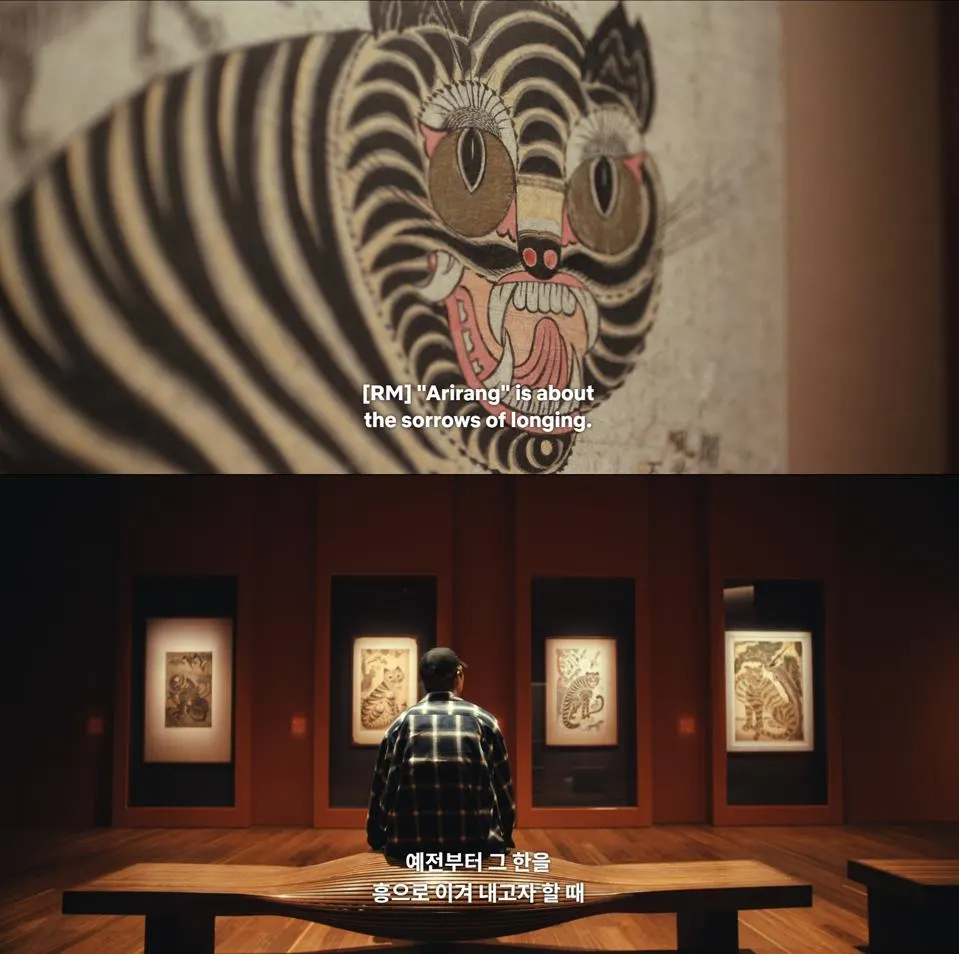
Photo: Bao Nguyen/ Netflix
One of the beautiful moments in the film, I think, is when some of the members are sitting on the balcony in Los Angeles, during one of their final nights there, and they’re talking about Arirang. RM mentions that Arirang could become something more visual, and I believe it’s Jungkook who says that whatever version of Arirang they create, it becomes their version—it becomes BTS’s version.
That’s what makes the concept so powerful. It’s almost like a chameleon: it can adapt and take on new meanings depending on who is engaging with it. Even as a Vietnamese American, I think about how the idea of America itself can change depending on who you speak to and what their experiences are.
I love that Arirang can almost code-switch between people and cultures. But when you create your own interpretation of it, it becomes something you have ownership over. That’s how I felt about the making of the album as well.
Do you have a favorite track from the album featured in the documentary, and why does it stand out to you? And if you had to choose just one BTS song of all time, which one would it be?
Oh, it’s hard. I kind of love them all—it’s like picking your children in a way.
I feel like I’ve grown up with all the songs. Hearing the beginning of Body to Body, for example, just makes me want to dance. When I see and hear that song performed in concert, I have this primal and visceral reaction to it. That feeling is something that’s hard to replicate with other songs.
But I love all of the songs for different reasons. And when it comes to their larger discography, songs like Spring Day and Life Goes On stand out to me. They’re more melancholic, which is interesting, but I find myself deeply connected to those songs in many ways.
In the documentary, Jimin says, “Failure doesn’t exist—it’s just part of the process.” Did that philosophy resonate with you personally, especially while making this film?
You know, I think, having done films about the creative process in the past—like The Greatest Night of Pop, which explored the making of We Are the World—and having gone through my own creative process when I’m making a film, that statement really resonated with me. It’s something that I know happens: you go through tons of failures in order to get to the moment where you feel like you’ve hit something, where you’ve connected with something.
Sometimes someone—a viewer or a listener—doesn’t witness all the trials and tribulations that artists have to go through to get to that moment where they hear the final song or watch the final film. So, I think having that awareness, that you have to fail in order to succeed, is very wise.
I think, thematically, one thing that I realized after making the film and seeing all the different threads come together was the idea of brotherhood—the brotherhood that they have between each other, and how they can only do this as brothers. They can’t do it as individuals.
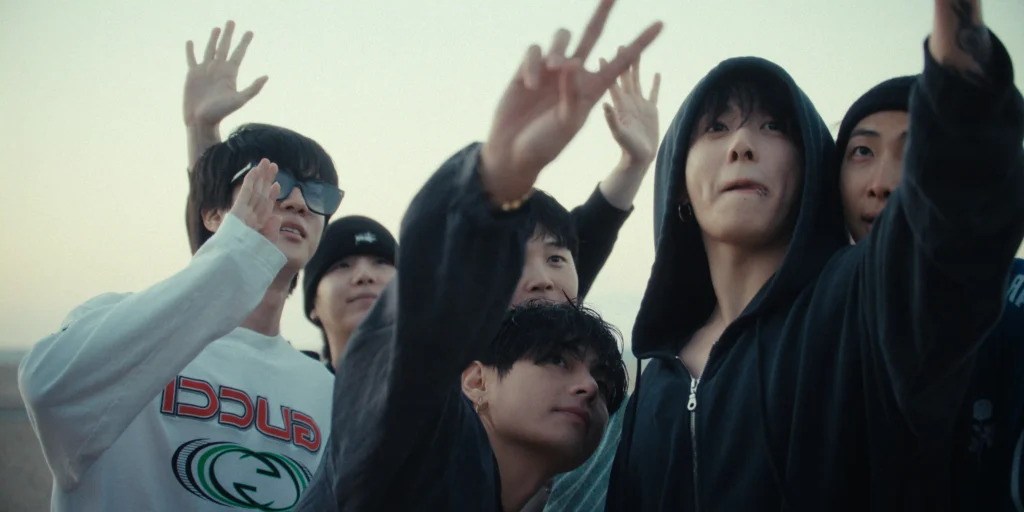
Photo: Bao Nguyen

 Lakshmi