
 Lakshmi
Dogs are not our whole life, but they make our lives whole. A dog is the only thing on earth that loves you more than he loves himself.
And Gohan is just the cinematic evidence of that as it serves as quietly poignant film that leaves a lasting impression as a reminder.
The Thai anthology film directed by Baz Poonpiriya and Chayanop Boonprakob. Inspired by a real-life encounter, the film began when director Baz discovered a sick stray dog named Hima in a Chiang Mai food market. He adopted the dog, nursed it back to health and that experience became the emotional foundation for Gohan.

The film is divided into three interconnected chapters, each directed by a different filmmaker and set during a different period of the dog’s life. Through three distinct human relationships, Gohan explores themes of compassion, loneliness, exploitation, and unconditional love.
The first chapter follows Hiro, a Japanese automotive engineer approaching retirement, who unexpectedly takes in the stray dog and names him Gohan. What begins as a simple act of kindness gradually transforms Hiro’s quiet, solitary life. Gohan’s playful energy and unwavering companionship bring warmth, purpose, and joy to an aging man facing an uncertain future, making this the film’s most tender and heartwarming segment.
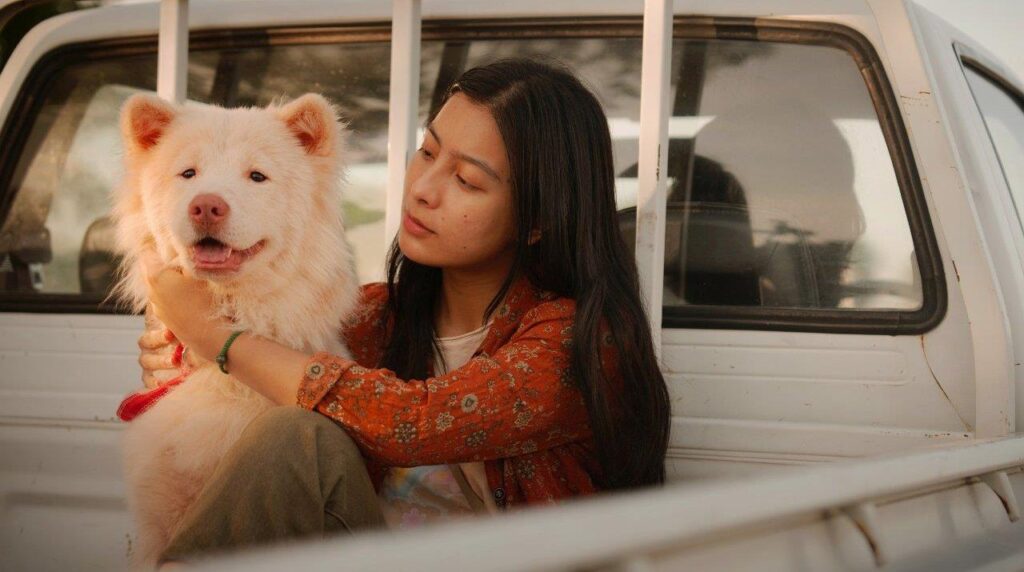
The second chapter shifts to a much darker perspective. It centres on Namcha, an undocumented migrant worker from Myanmar employed at a dog shelter run by Goong. Behind its charitable façade, the shelter serves as a front for the exploitation of stray dogs for financial gain. Through Namcha’s growing bond with Gohan, the film examines the vulnerability of both displaced people and abandoned animals, exposing the moral compromises forced upon those living on society’s margins.
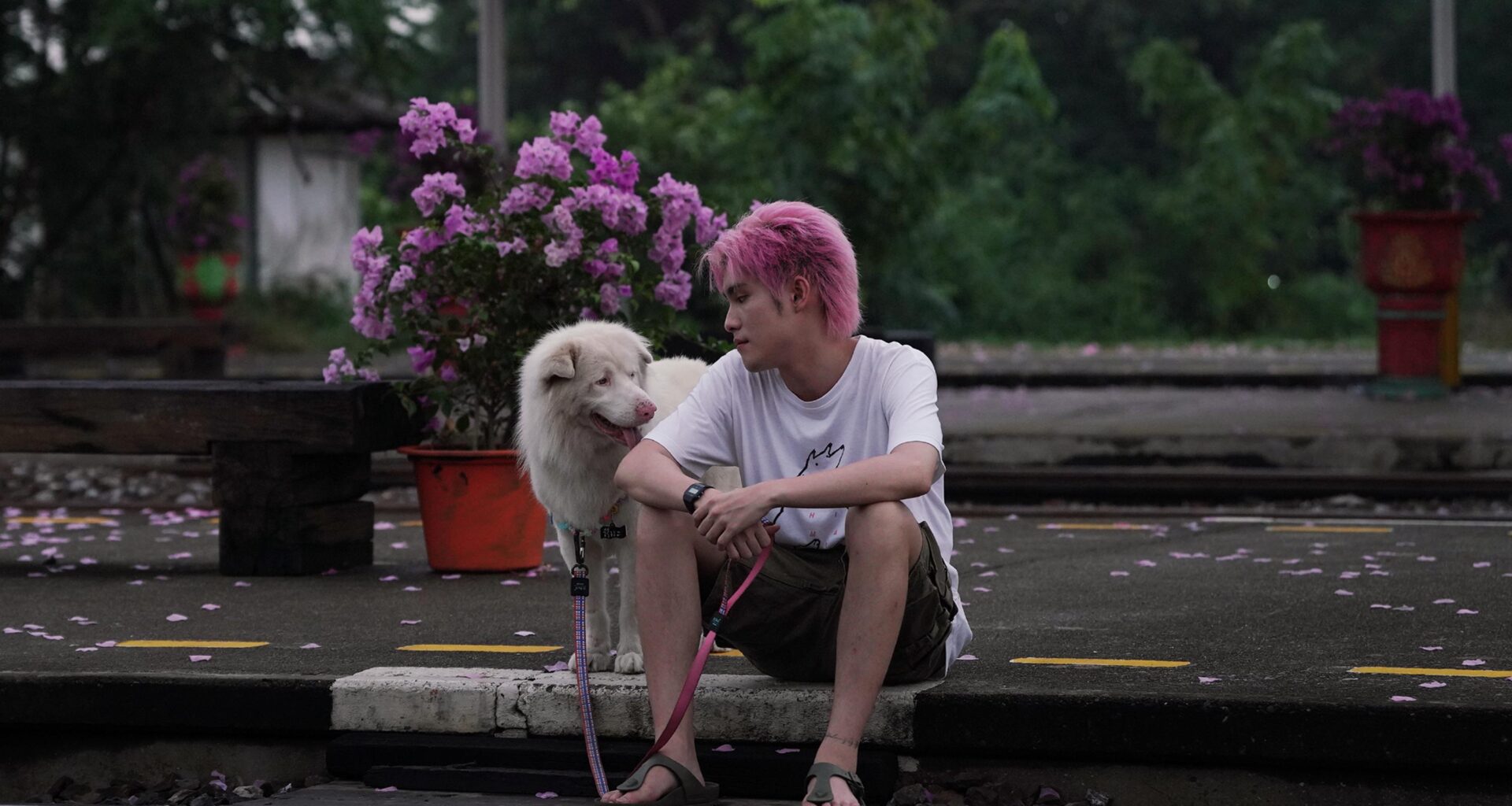
The concluding chapter brings the film’s themes together with quiet emotional force. By this stage, Gohan has returned to life on the streets, finding refuge around Bangkok’s Hua Takhe railway station. Over several years he becomes a familiar companion to two university students, Pelé and Jaidee, whose regular visits gradually turn into genuine affection. Jaidee, in particular, develops an inseparable connection with the aging stray, giving him the name Hima, inspired by the pale colour of his coat.

Time inevitably changes both the people and the dog. After Pelé and Jaidee part ways following graduation, their lives move in different directions, while Gohan grows increasingly frail. An accident reveals that he is nearing the end of his life, prompting Jaidee to take responsibility for his care. As she devotes herself to making his remaining days comfortable, Pelé unexpectedly reappears, and the pair are forced to confront the emotional distance that has grown between them. Their shared concern for Gohan becomes an opportunity to reflect on love, regret, and the possibility of reconciliation.
Rather than placing the dog at the centre as a conventional animal protagonist, Gohan uses him as a quiet catalyst for human transformation. Each chapter introduces a different world and a different set of social realities, from the isolation of old age to the exploitation of vulnerable communities and, finally, the fragile nature of young relationships. Gohan passes through these lives without judgment, yet his presence exposes the compassion, resilience and tenderness within each of the people he encounters.
One of the film’s greatest strengths is the casting.
Japanese actor Kitachima Yasushi brings a quiet warmth and vulnerability to the role of Hiro, the retired automotive engineer whose lonely life is transformed by his relationship with Gohan. His understated performance captures the emotional complexity of a man rediscovering companionship and purpose through an unexpected friendship.
Burmese model and actress Poe Mamhe Thar gives Namcha a sense of resilience and humanity. Her portrayal highlights the struggles of someone living on the margins of society, while also bringing tenderness to a character caught between difficult circumstances and her growing connection with Gohan.
The final chapter benefits from the natural chemistry between Thai actors Jinjett Wattanasin and Tontawan Tantivejakul, who portray Pelé and Jaidee. Their performances capture the emotional uncertainty of young love, separation and reconciliation, with Gohan becoming the bridge that reconnects them.
The varied backgrounds of the cast members mirror the film’s broader message: compassion is a universal language that crosses borders, cultures and generations.
Overall: don’t even think twice, this film is totally worth watching! And if you love dogs, then its probably going to become one of your favourite movies!


 Lakshmi



-2-300x225.png)