
 Lakshmi
There is a particular kind of tension that comes from watching powerful men slowly realize they may no longer understand the world they rule. Kiyoshi Kurosawa’s The Samurai and the Prisoner finds that tension in a besieged Japanese castle, where political rebellion, strange deaths, and questions of loyalty gradually turn a historical drama into an unexpectedly elegant mystery.
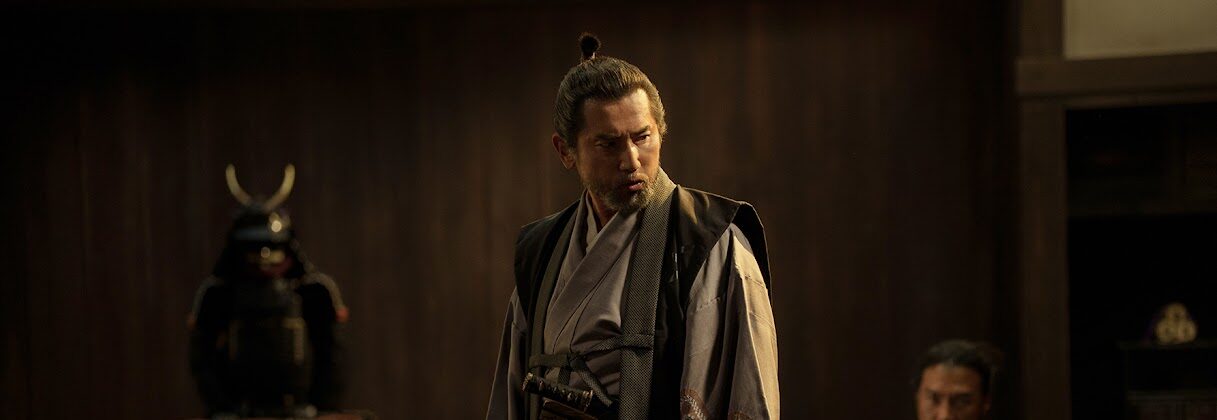
Set in 1578, the film follows Araki Murashige (Masahiro Motoki), a lord who has turned against the formidable warlord Oda Nobunaga. When Nobunaga sends the brilliant strategist Kuroda Kanbei (Masaki Suda) to negotiate, Murashige refuses to surrender and instead imprisons him.
It is a decision that will become increasingly important.
When a series of mysterious incidents begins unfolding inside the castle, Murashige turns to the very man he has locked away for answers. What follows is part samurai drama, part political thriller, and part old-fashioned drawing-room mystery, with the castle becoming a closed ecosystem where everyone has something to hide.
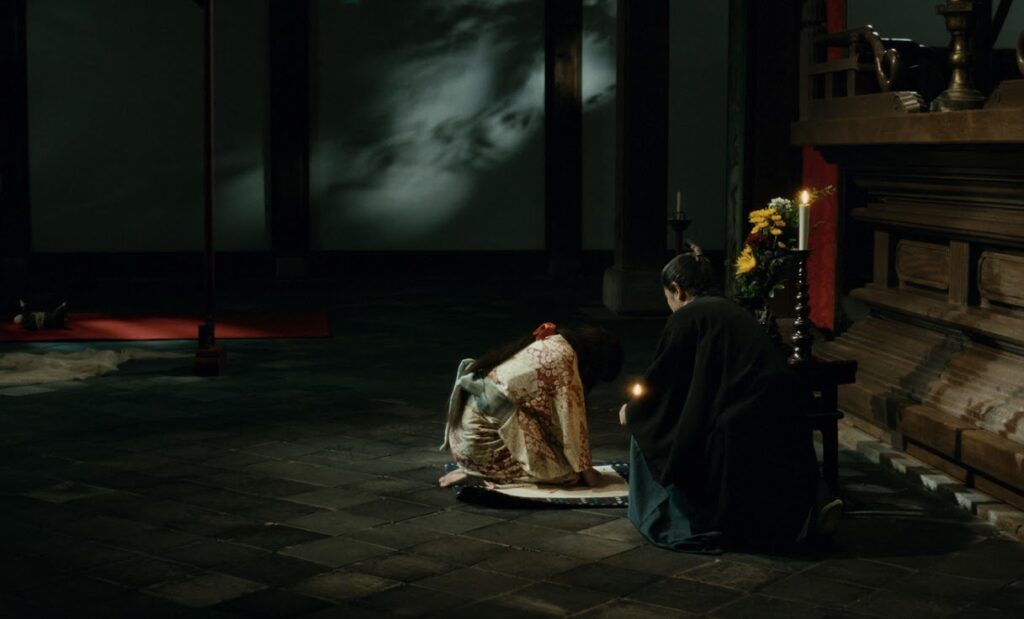
Kurosawa, making his first period film, wisely resists the temptation to turn the story into a spectacle. The battles remain largely outside the frame. Instead, he focuses on faces, silences, corridors, and conversations that can feel as dangerous as any sword fight.
At the center of it all is the unlikely pairing of Motoki and Suda. Motoki plays Murashige as a leader caught between the traditions that gave him power and the humanity that makes him question them. He is not interested in killing simply because the rules demand it, and that increasingly puts him at odds with the world around him. Suda, meanwhile, gives Kanbei a wonderful ambiguity. Imprisoned and physically powerless, he somehow becomes one of the freest people in the castle. His mind remains his weapon, and his conversations with Murashige become the film’s most compelling duels.
Their relationship is what elevates The Samurai and the Prisoner beyond its period-mystery mechanics. These are two men on opposite sides of a political conflict who gradually discover that they may understand each other better than they understand the people standing beside them.
And then there are the mysteries: A seemingly impossible death. A missing object. A suspicious accident. Each incident threatens to destabilize the already fragile order inside the castle, while Murashige struggles to determine whether he is witnessing human conspiracy, coincidence or something more supernatural.
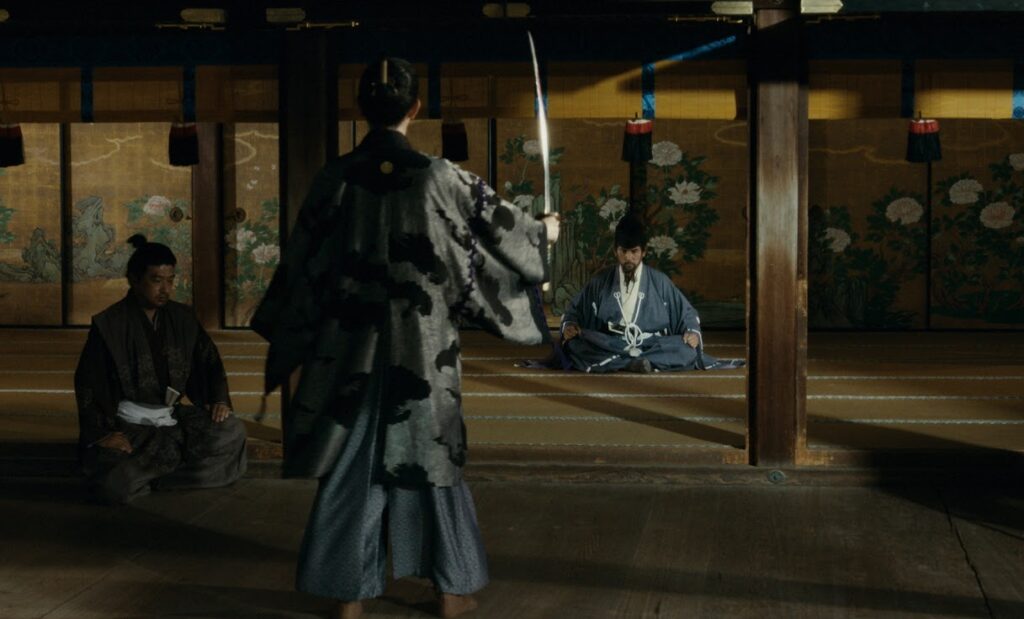
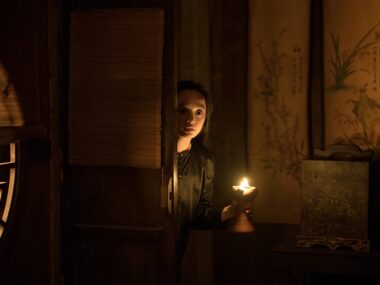
Kurosawa has always understood how to make ordinary spaces feel ominous, and here he applies that gift to a world of tatami rooms, wooden corridors, winter landscapes, and flickering shadows. The visual restraint is striking. The castle almost feels like a stage, but one where the audience is constantly encouraged to look a little closer.
What makes the film particularly satisfying is the way its mysteries mirror its larger concerns. Every investigation becomes another examination of power, obedience, and tradition. Murashige is attempting to become a different kind of leader, but the society around him has very little interest in changing with him.
That conflict gives the film its emotional weight.
The Samurai and the Prisoner is not interested in romanticizing the samurai code. Instead, it asks what happens when a person begins to recognize the cruelty hidden inside a system they were raised to uphold.
The result is a remarkably controlled film from Kurosawa: intelligent without being showy, atmospheric without becoming ponderous, and genuinely entertaining without sacrificing its deeper questions. Most importantly, it understands that the best mysteries aren’t only about who committed the crime. They’re about what the investigation reveals about everyone left standing.
In The Samurai and the Prisoner, the castle may be surrounded by an enemy army, but the greater threat is already inside: the realization that the rules holding an entire society together may no longer be worth following.
Verdict: A beautifully restrained and quietly gripping samurai mystery, elevated by two terrific lead performances and Kurosawa’s uncanny ability to make psychological tension feel as sharp as a blade.

 Lakshmi



-2-300x225.png)