 Lakshmi
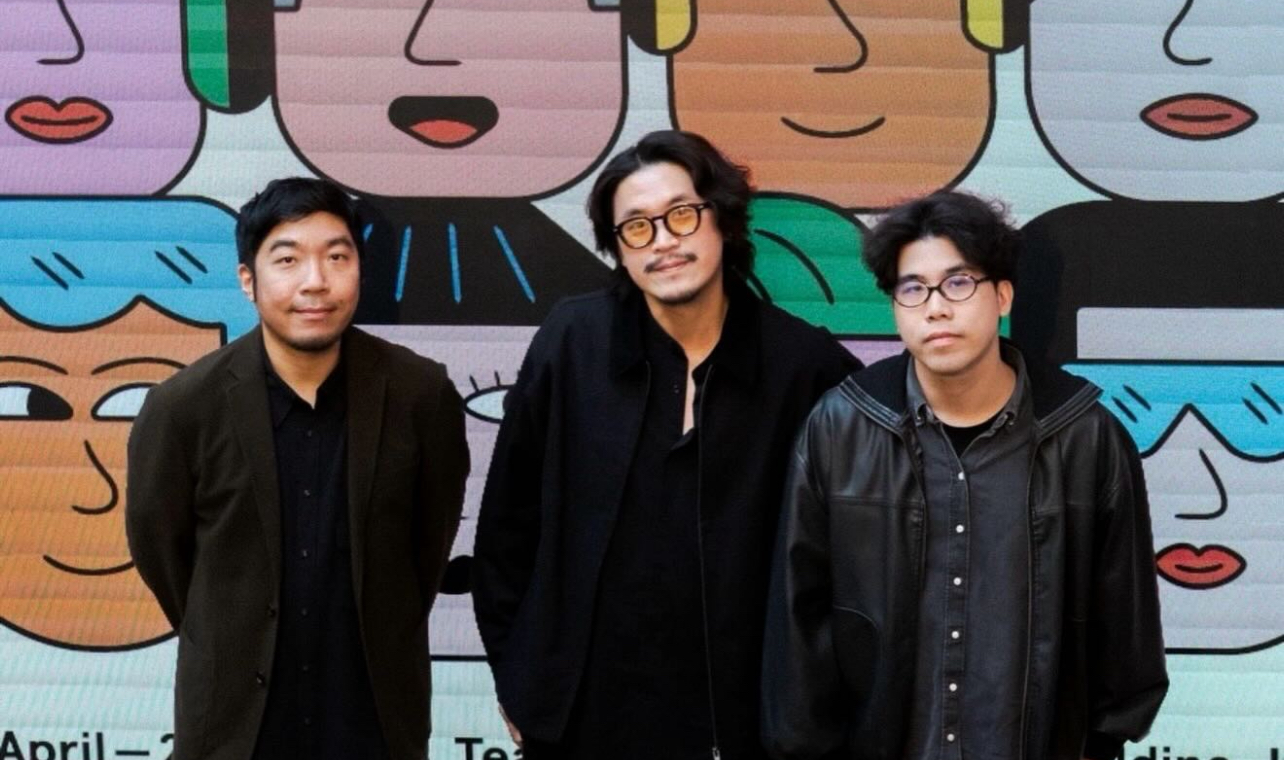
Thai filmmakers Baz Poonpiriya and Chayanop Boonprakob have established themselves as two of Thailand’s most distinctive contemporary directors, each bringing a unique style and perspective to their storytelling.
Baz Poonpiriya gained international recognition with Bad Genius, the critically acclaimed 2017 thriller that became one of Thailand’s most successful films. His other directorial works include Countdown and One for the Road, films that showcase his ability to blend emotional storytelling with compelling genre elements.
Chayanop Boonprakob is known for his work on popular Thai films such as SuckSeed, May Who?, and Friend Zone, where he explores themes of youth, relationships, and personal connections through a mix of humour and heartfelt emotion.
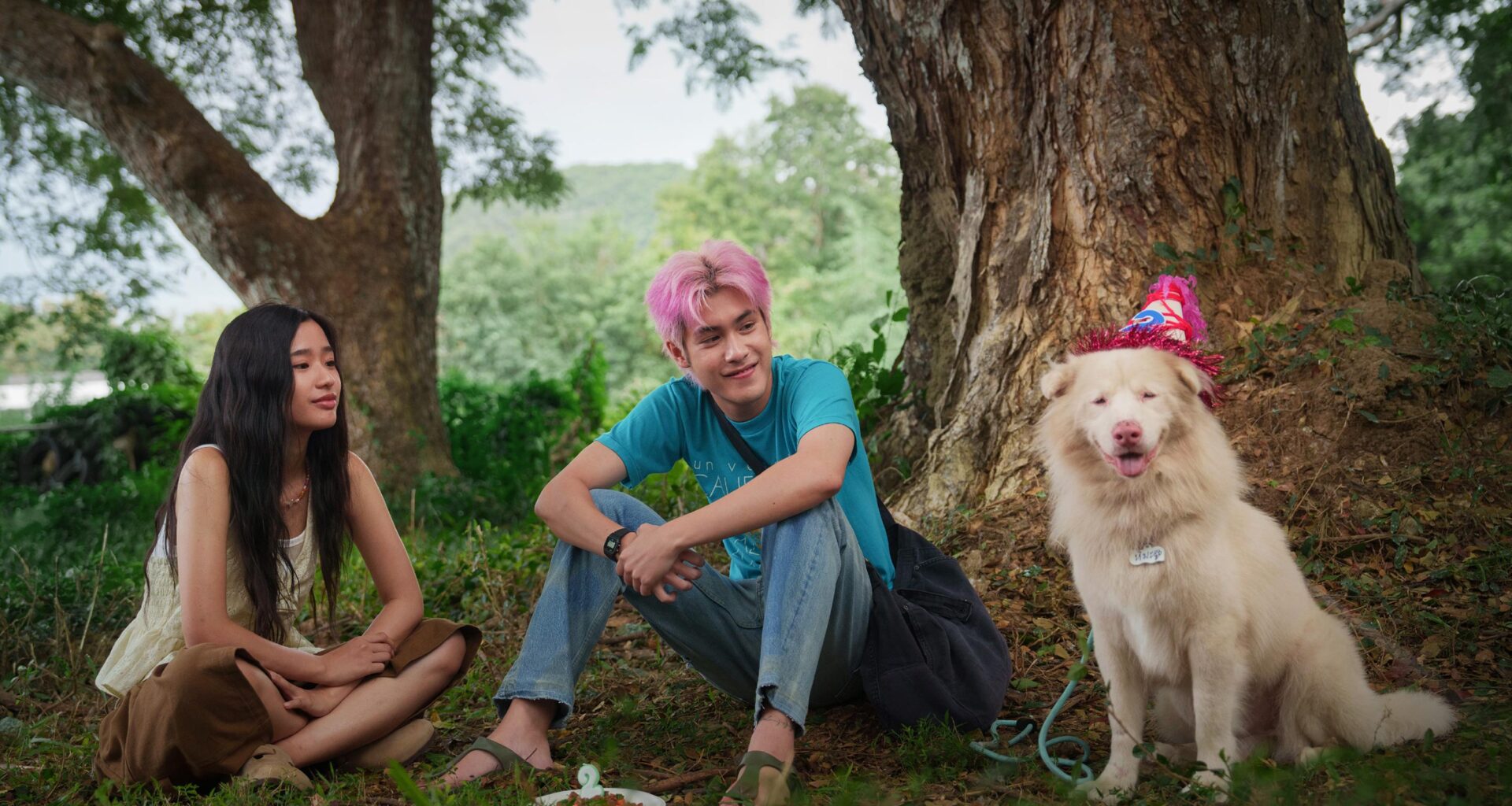
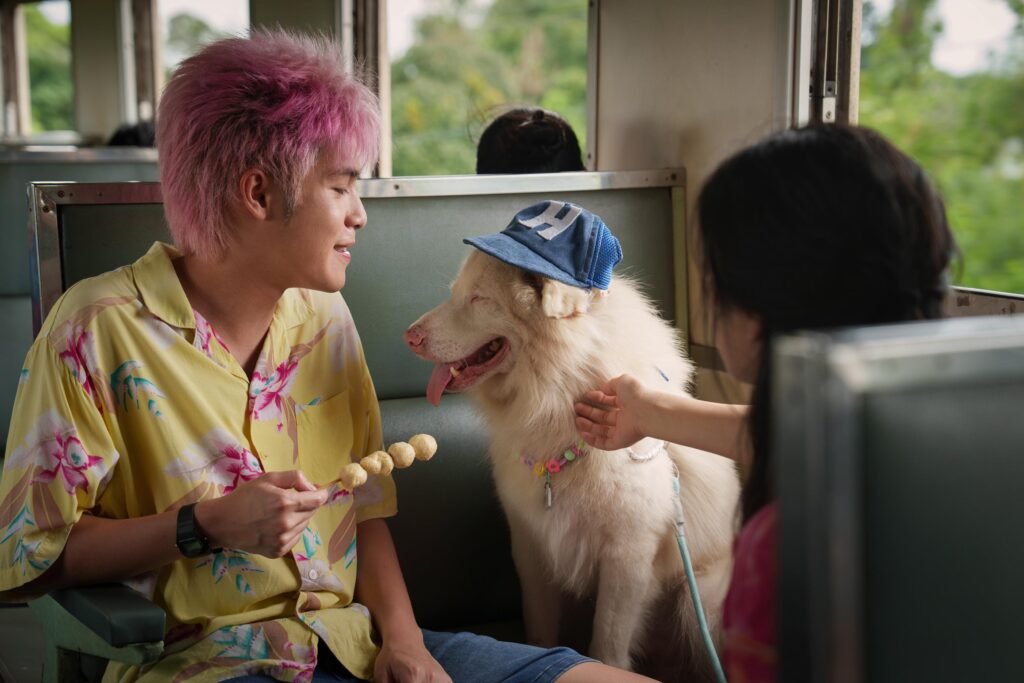
For their latest collaboration, Gohan, Baz and Chayanop joined forces with fellow filmmaker Atta Hemwadee to create a heartfelt three-part story about a stray dog whose journey connects people from different walks of life. Inspired by real experiences and their shared love for animals, the film explores compassion, companionship, and the profound impact dogs can have on the people around them.
One Lash Shot had the opportunity to sit down with Baz Poonpiriya and Chayanop Boonprakob during the New York Asian Film Festival (NYAFF) to discuss the making of Gohan, the challenges of working with real dogs, and how three filmmakers with different storytelling styles came together to create one deeply personal film.
Gohan is inspired by Hima, the real-life stray dog you discovered at a food market in Chiang Mai. What was it about Hima that sparked the idea for this story?
Baz: I think Hima is just one part of the project. Actually, the project was conceived before that. We already had the idea of making a three-part film about a dog. By the time we found Hima, we had already started writing the script. But finding Hima gave us a much stronger sense of why we wanted to make this film in the first place.
Baz, you reunited with producer Vanridee Pongsittisak, who also collaborated with you on Bad Genius. What made this the right project to work on together again?
Baz: Not just Vanridee—I think Chayanop, our producer Atta, and I are all dog lovers. We wanted to create something that could convey our love for dogs through this project. I think it was simply the right time, with the right people, to make it happen.
How did you divide the directing responsibilities on the film? Chayanop, you directed the first segment, Baz directed the second, and Atta Hemwadee helmed the final segment. How did you collaborate to ensure the three stories felt like one cohesive film?
Chayanop: I have to give credit to our producer, Vanridee, and to Baz, who had the overall vision for the project from the very beginning. I think we all wanted this to be a collaborative project from the start, so we spent a lot of time discussing it together.
From the beginning, we were all aware of the stories each of us was writing, and we constantly updated one another as the storylines evolved. We worked very closely together. Even though each of us wrote our own segment independently, we shared our progress and gave each other updates throughout the process.
Baz: A lot of people assume that I directed the first or the last segment because I’m the oldest. But that wasn’t the case. The order of the three chapters was determined by the stories each director came up with, and we arranged them in the way that worked best for the film.
How was it on set?
Chayanop: We visited each other’s sets from time to time. Mostly, we’d just show up to tease the other director. But we were also there to support and encourage one another throughout the shoot.
Baz: It was like giving each other a gentle pat on the back.
Chayanop: We visited each other’s sets from time to time. Mostly, we’d just show up and tease each other or say, “You can do it like this.” It also gave us the chance to see how everyone else was shooting their segments.
We actually filmed the final chapter first, which was directed by Atta. Then we shot my segment, which appears first in the film, and finally Baz’s. There was a very practical reason for that. Hima was already an older dog, and we were genuinely concerned about his health. We wanted to make sure we could capture the scenes we needed with him while he was still well enough to film.
Baz: I don’t mean that his condition was that bad—he was simply an old dog. Once we decided that Hima would become the film’s ambassador for stray dogs in Thailand, it became even more important to us because he truly was a stray. That meant a lot to all of us.
Atta wrote his script very quickly, and his segment was also the simplest to produce in terms of the overall setup and logistics. It made sense to begin filming with his chapter first, with the rest following after that.
I noticed you cast actors from three different countries—Japan, Myanmar, and Thailand. How did you go about bringing together Kitajima Yasushi from Japan, Poe Ma Mhe Thar from Myanmar, and Joanaay and Tontawan from Thailand?
Chayanop: The reason is actually very personal. The title, Gohan, comes from a real dog that was very special to our producer, Vanridee. The dog actually belonged to her neighbour, but she used to play with him every day and became very attached to him. When the dog eventually passed away, it had a big emotional impact on her. So, when we started developing this project, she suggested that we use the name Gohan as a way of honouring him.
Since gohan is the Japanese word for “rice,” we thought it made sense that the dog would be given that name by a Japanese owner. From there, we needed to create a Japanese character living in Thailand.
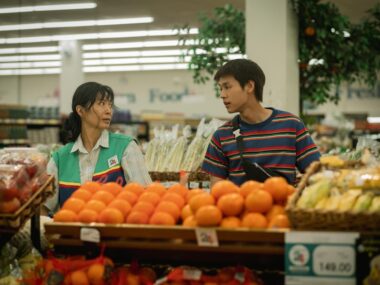
Our office is in an area of Bangkok with a large Japanese community. There’s practically a little Japanese town around our office, but we were bored of it. So we looked for another location and eventually chose Si Racha. It’s a seaside city with one of the largest Japanese communities in Thailand, which made it the perfect setting for the story.
Baz: I think Si Racha is one of the best characters in the film—I hand that credit to you. For my segment, I actually didn’t originally plan to tell the story through a foreign character.
But Poe’s character was inspired by my real life. I have a Burmese maid who helped me raise my five dogs at home. I still remember the first day she came from Myanmar to Thailand and started living with me. Watching her spend time with my dogs and seeing the bond she formed with them really inspired me.
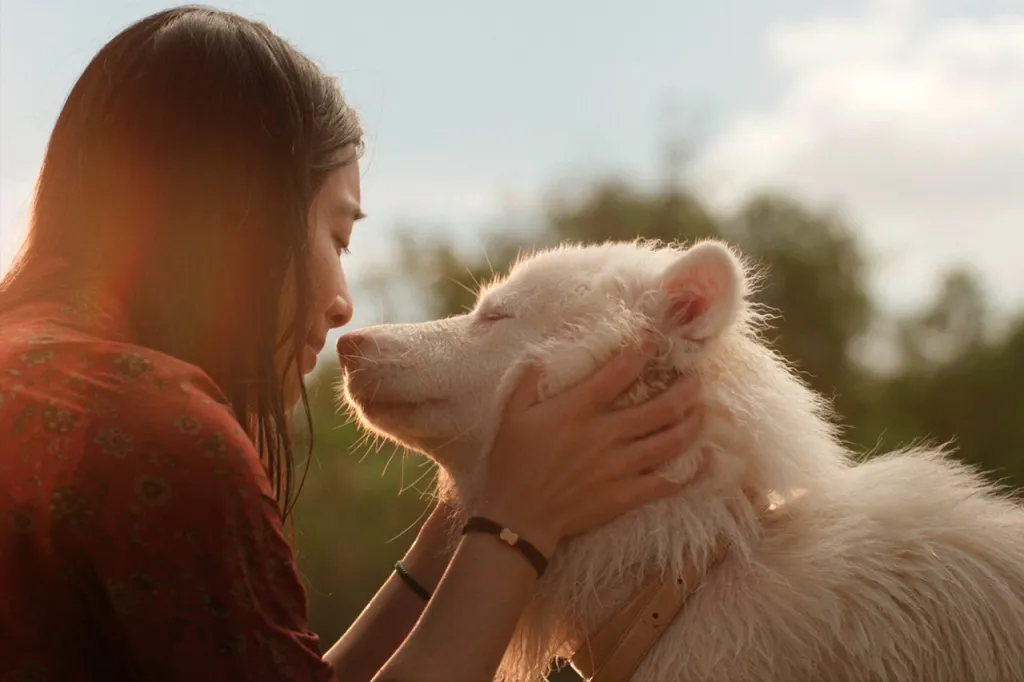
It made me ask myself: what if this situation happened differently? What if she wasn’t fortunate enough to meet kind people who supported her? That question became the foundation for the character and the story.
Chayanop: The original script was written by Atta and he actually wrote it very quickly. I think he was the first among the three of us to complete his segment, and it was entirely his own original idea and script. All the characters came from his initial draft.
The story was also connected to his personal experience. When he was in college, there was a stray dog living around his faculty that everyone—students and staff alike—knew and loved. The dog became a familiar part of their daily lives for a long period of time.
Atta drew from those memories and brought that experience into the story. In a way, Joanaay represents a part of his own life and the emotions he carried from that time.
You made the unusual decision to reveal before the film’s release that Gohan doesn’t die, despite his terminal diagnosis. Why was it important for you to set those expectations and shift the focus from tragedy to hope and healing?
Baz: As a dog lover myself, I know how it feels to watch a film about dogs with your fingers crossed all the time, hoping that the dog doesn’t die. Sometimes it can be even worse than that—you might not even dare to watch the film because you are afraid of what is going to happen.
But from what I see, Gohan has more to offer than that. It is not just about whether the dog is going to die. I think we have many things that we want to say, many thoughts we want to share, and many things we want the audience to see and feel. We don’t want the audience to miss those parts of the film. So we decided that we had to approach the story in a way that goes beyond just the dog’s fate.
Chayanop: I think from the very beginning, we also checked the feedback from people, and it matched what we were expecting. Almost every comment we received, even from people we started communicating and working with, like the marketing team, was the same. Everyone kept asking us, “Did the dog die? Please don’t let him die. If he dies, I won’t work with you. If he dies, I won’t watch the film.”
People kept giving us that kind of feedback, and we realized it was a real concern. That’s how we all came to the agreement that we needed to move away from focusing only on that aspect. As you said, there are many more angles and ideas we want to explore in this film, and we can’t let the audience miss those things—especially dog lovers.
Many films featuring animals focus on the pet, but Gohan also seems to be about the people whose lives are changed by that relationship. What interested you most about that dynamic?
Baz: This is what we live with in our own lives. From my point of view, I would say I’m still a new dog parent because I have only raised a dog for five years. It’s not that long compared to my age.
But having a dog and becoming a dog parent has shaped my life a lot. It has changed my perspective about this world, about the people around us, and about all these four-legged kids around us.
So I think what we want to show is not just the cuteness of the dog, but how dogs can shape us as human beings and how they can change the way we see life.
Your previous films, from Red Envelope to Bad Genius, explore very different genres and themes. Gohan also contains three distinct stories with their own tones and perspectives. How did you approach creating and directing such diverse narratives within one film?
Chayanop: Red Envelope was more of a remake film, so the original script was already there. That was a different kind of challenge for me.
Before that, most of my films came from something personal—usually from my own inspirations and experiences. Gohan is the same. You might look at the main character, a retired Japanese man living in Thailand, and think that it feels very far away from my own life. But actually, it isn’t.
The inspiration came from my dad, who is a retired teacher living alone. One day, he met a stray cat and started feeding it. He would fry fish, mix it with rice, and prepare food for the cat. Watching that relationship develop really inspired me.
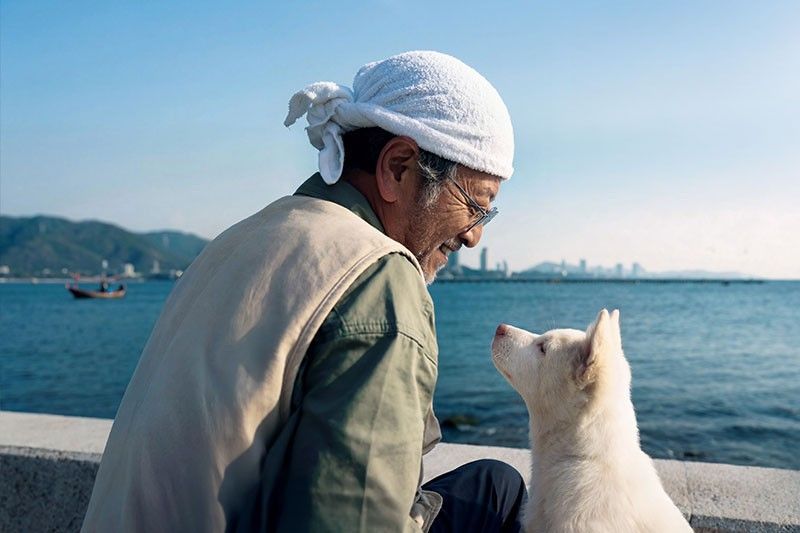
That was what made me start thinking about the script and begin writing the story. Once again, the inspiration came from my own personal experience.
Baz: For my part, if people watch the film, they will notice that my segment is a bit different from the other two because there is a certain intensity to the story. I think that is somewhat part of my signature as a filmmaker.
Actually, similar to Chayanop’s story, my segment was also inspired by my own experiences and what I have seen. Besides making films, I spend a lot of time trying to help stray dogs and cats—mostly dogs. Through that, I have witnessed many problems and a lot of the wrong things that happen to stray animals in Thailand.
I wanted to show that side of the reality and convey this message to audiences around the world. Sometimes the world can be a very tough and difficult place, especially for animals like cats and dogs that cannot protect or speak up for themselves. But as human beings, the least we can do is to be kind to them.
During your research, did you encounter dog shelters that were being operated primarily for financial gain rather than animal welfare?
Baz: A lot of it came from my own experiences. I brought that into the story based on what I have seen and what I have experienced.
Chayanop: Even the name of the bad guy, Goong, came from that idea.
Baz: And hopefully, I don’t know what is going to happen after this, but we just hope that this film will change a lot of people’s minds about this.
What was the most challenging scene to shoot?
Chayanop: I think my segment was the easiest, even though it was still very challenging. The reason is because you can control everything more.
For Atta’s segment, he had an old dog, and you can’t really command an old dog or tell him what to do. So it was extremely difficult. They had to adapt the script all the time. If the dog moved in a different direction, they would simply move the camera or adjust the blocking of the characters to follow him, because you can’t control the dog’s actions.
In my case, we needed Hima to sit still or maybe sleep on the bed, but at that time he was still very energetic. So we had to pause the whole crew and just spend time playing with him. Everyone—the cameramen, the crew, and myself—would play with the dog until he became tired enough and eventually fell asleep. Then we would bring him back and continue shooting.
That happened many times during production.
Baz: For my part, I think the biggest challenge was working with all the shelter dogs in the film. If you have already seen the film, there is a scene where we let around 40 dogs run from the land into the pond and play in the water. I think that was the hardest scene to film.
Because we used real shelter dogs, we had to work very closely with the shelter staff. We needed to get to know each dog’s personality and behaviour, and then adapt our way of working to support them.
We really only had one chance to capture the scene properly, so we had to prepare very carefully. We used two cameras that day to make sure we could capture everything.
Your favourite scene?
Chayanop: For me, it was the scene when Hiro, the elderly Japanese man, comes out of the train window. We actually shot that on the first day of filming. Even Kita himself didn’t realize how powerful that moment would become because, at that time, he hadn’t even met the dog who would play Gohan yet.
He simply came out, performed the scene, and improvised a little. But when we watched the finished film, we realized how powerful that moment was. The first time I saw it in the editing room, I cried. And even now, I still cry when I watch it in the cinema.
Baz: You always cry, man.
Actually, my favourite moment in the film is the simplest one. It comes from Chayanop’s segment, when Hiro-san is on his last day of work and his colleagues sing a song for him. He takes out his camera and tries to record the moment, but then he discovers that his phone is filled with videos of dogs.
I really love that moment because it’s so simple and relatable. It actually happened to me too. If you turned on my phone right now, it would probably be full of dog videos. And I don’t want to erase any of them.
What’s next for you?
Chayanop: Yes, I’m starting to think about my next project at the moment. It comes from my background in music, so maybe the next one will be something more related to music—going back to where I started.
Baz: Actually, I have something coming up. Vanridee and I are going to partner up again to produce a new film for a new director in Thailand. We’re going to launch the project very soon—within the next couple of days. It’s going to be exciting.
The director previously worked on a Netflix series in Thailand that became very big and well known two years ago. It was called The Believers, directed by Wattanapong Wongwan.
Finally, if you had to describe Gohan in one word, what would it be?
Chayanop: Impact. It really impacted my mind after making this film. Actually, it started impacting me from the moment I was writing the script with my colleagues. So, the first word that comes to my mind is “impact.”
Baz: Fluffy. I think it’s a really unique word to describe my film. This film is very special. From Chayanop’s segment to Atta’s segment, combined with my story, it creates something that feels very fluffy.

 Lakshmi