 Lakshmi
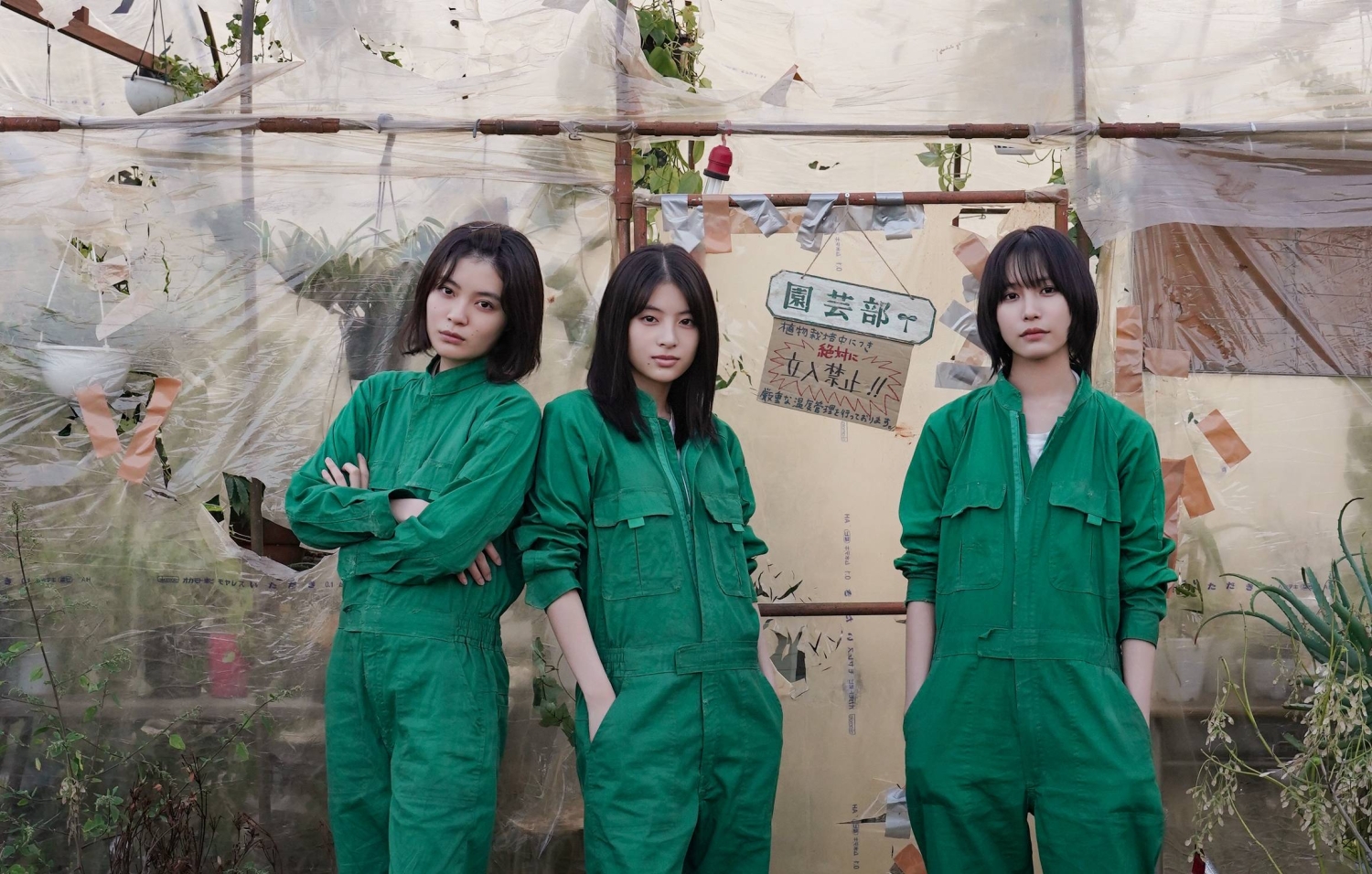
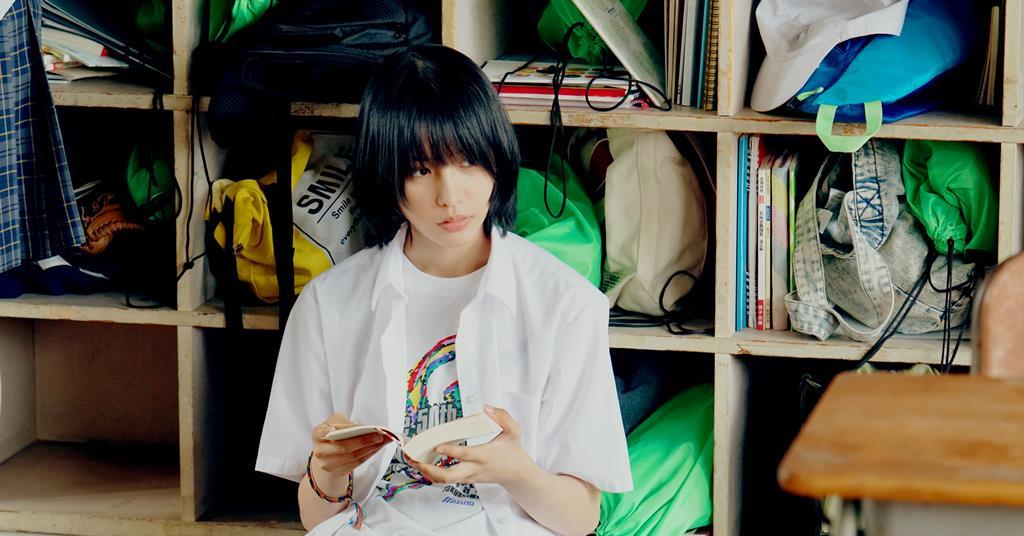
Based on Do Namiki’s acclaimed novel, All Greens is an energetic coming-of-age drama that follows three high school girls determined to escape their small-town lives. Hidemi Boku (Sara Minami), an aspiring rapper, teams up with film enthusiast Miruku Yaguchi (Natsuki Deguchi) and manga-loving Mako Iwakuma (Mizuki Yoshida) to launch an illegal hemp-growing scheme, believing it could finally buy them the freedom they’ve always dreamed of. Combining youthful ambition with incisive social commentary, All Greens reimagines the coming-of-age genre, earning a place at the New York Asian Film Festival (NYAFF).
Leading the film is Sara Minami, one of Japan’s most exciting young talents, whose acclaimed performances in Shino Can’t Say Her Own Name, Ride or Die, and Nevertheless: The Shapes of Love opposite Ryusei Yokohama have established her as a versatile and compelling actress. Behind the camera is writer-director Takashi Koyama, who first gained attention with his feature debut Colorless (2019) before directing the television dramas Romance bo-fu-iki and Shut Up. With All Greens, Koyama continues his exploration of youth, identity, and contemporary society through an unflinching yet deeply empathetic lens.
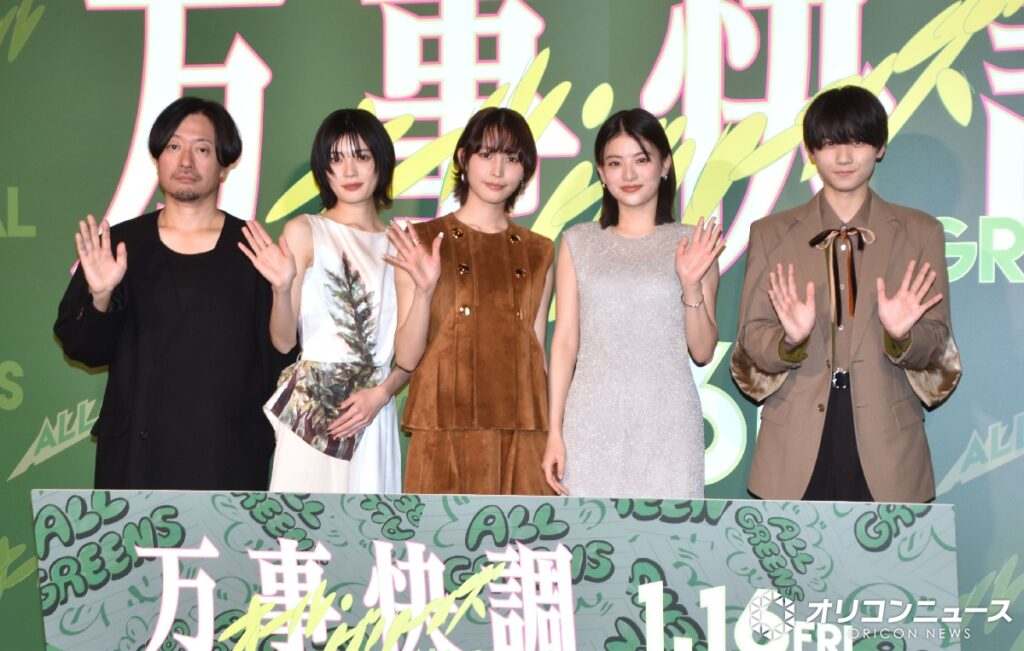
In this interview with One Lash Shot, Sara Minami and Takashi Koyama discuss adapting Do Namiki’s novel, collaborating to bring its unforgettable characters to life, and the creative process behind one of the year’s most distinctive Japanese films.
What attracted you to Do Namiki’s novel in the first place?
Takashi-san: First of all, when Namiki wrote the original novel, she was only 21 years old. I was fascinated by how she brought together such a diverse range of pop influences—both old and new, and from both Japan and abroad. I found that combination to be a truly interesting phenomenon.
Sara, Hidemi is driven by a desire to escape her hometown, but she’s also searching for a sense of identity. What was your way into understanding her emotionally when you first read the script?
Sara: So, first, when I read the script, I felt that Hidemi Boku was a girl who constantly carried a sense of pent-up anger inside her. For me, the challenge was figuring out how much of that anger I could hold within myself and how I could express it honestly as a performer. That was the first challenge I identified when I read the script.
How did you prepare for the role?
Sara: Yeah, I thought about Hidemi all the time. I also tried to read some of the books that appear in the film—books that she may or may not have actually read—to better understand her character and the world she lives in. I also practiced rapping for the role.
Director Koyama also gave me some advice: he said that Hidemi is a character who is smiling all the time, but that each smile carries a different meaning. He encouraged me to think carefully about what was behind each expression. That was the advice I received from him and something I kept in mind while playing her.
Takashi-san, what were the challenges you faced while directing?
Takashi-san: I wouldn’t necessarily call it a challenge, because it wasn’t particularly difficult for me. However, one thing I was very conscious of was that I didn’t want the film to become a story that simply dwells in sadness. I wanted to create something that, despite the themes it explores, maintained a lighthearted atmosphere. So, I paid close attention to the overall tone and worked to make sure that sense of warmth and lightness came through.
Sara, as in Magical Secret Tour, the friendship between the three girls feels incredibly authentic, even as their paths begin to diverge. How did you and your co-stars, Natsuki Deguchi and Mizuki Yoshida, build that chemistry on set? You had previously worked with Natsuki in Cocoa—did that familiarity help shape your dynamic in All Greens?
Sara: The atmosphere between the three of us was actually very similar to the dynamic between our characters in the film. We were all quite free-spirited and unrestrained, so we naturally did things in our own way and at our own pace. Because of that, I felt very comfortable on set, and that helped create the chemistry between us.
I had appeared in a film with Natsuki-san before, but we didn’t share any scenes together. So All Greens was actually the first time we had the opportunity to perform together directly. I really enjoyed that experience.
Which was your favourite scene to shoot?
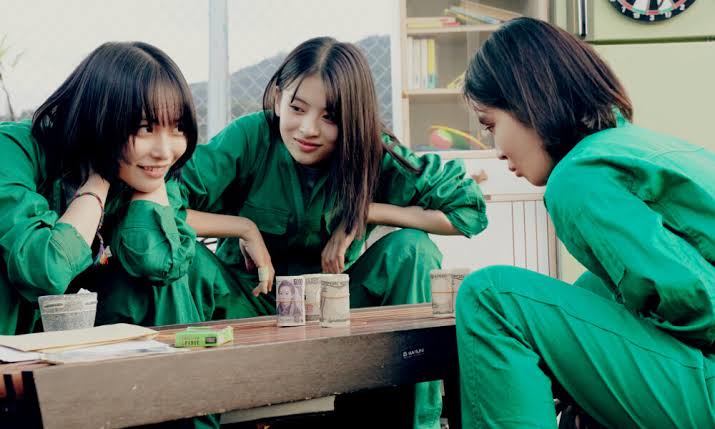
Takashi-san: I really like the final scene where Minami is running. I can’t fully explain why, but I think it captures something essential about the film. Throughout the process of making this movie, I wanted to capture Hidemi’s expression and the emotions reflected in her face. That was something I kept in mind while filming.
When we reached that final scene, I felt that we were able to capture exactly what I had been searching for—the feeling and message at the heart of the film. It became a moment that expressed what All Greens is truly about.
Sara: The scene that left the strongest impression on me is the one with Milk/Miruku’s character, where she says something along the lines of, “Our lives aren’t the kind of stories you can buy at a second-hand bookstore.” Natsuki Deguchi gave a truly fantastic performance in that moment. I really loved the way she delivered that line and the emotion she brought to the scene. So, yes, that is one of the scenes that stands out to me the most.
Takashi-san, in the final sequence, the film shifts from a coming-of-age crime thriller into a sharp satire. With the graduation party engulfed in smoke, Hidemi’s jump, and Miruku’s “Do you actually believe that?” undermining the epilogues, what inspired you to end the film by subverting the audience’s expectations?
Takashi-san: When we talk about coming-of-age stories or stories about youth, they often end with a very neat conclusion—a kind of “happily ever after.” But when you think about youth, it is only the beginning of a person’s life. Your story is far from over.
In Japan, there are many works in this genre, and we often see narratives that wrap everything up in a satisfying way. But real people are not characters in a story. These three girls are characters within a film, but at the same time, they are resisting being defined as just characters in a story. That is exactly what they are doing in the final scene.
That desire to resist being confined to a predetermined narrative is something that should continue throughout life. It is not something that only belongs to youth—people should continue to challenge those expectations even as they grow older. That idea is what ultimately led me to create that final scene.
Sara, Hidemi dreams of becoming a rapper. Did you do any specific preparation to capture that side of her personality, and what did music represent for the character?
Sara: I think Hidemi, as a character, is someone who is searching for a place where she feels she truly belongs. In her search for a space where she can be completely herself, I believe she finds that through music and rap. It becomes a way for her to express who she really is and to embrace her own identity.
The film asks what young people are willing to risk for the chance of a different future. Do you think that question resonates differently with audiences today?
Takashi-san: First of all, I do not condone crime. Just because you see something in a film does not mean you should go out and do the same thing in real life.
That being said, I don’t believe audiences are so immature that simply watching something on screen would make them commit a crime. I have faith that viewers can understand the difference between fiction and reality.
Within fiction, however, you are free to explore anything. As Minami-san mentioned, Hidemi is saved by music. Miruku finds meaning through film, and Mako finds it through manga. What all of these things have in common is the power of stories. Sometimes, stories can save people’s lives.
In this film, the characters resist being trapped within a predetermined narrative or becoming merely characters in someone else’s story. But at the same time, stories and narratives can also give people strength and help them move forward.
So, if there is anything I hope audiences take away from the film, it is that they feel encouraged to create their own narratives—to find their own stories and do something meaningful with them.
Sara: Obviously, crime is wrong, so I don’t want people to take that message from the film. But what these three characters were able to do was discover a version of themselves that wanted to achieve something. They found a goal, pursued it, and took action to make it happen.
I think being able to encounter that part of yourself—the person you want to become and the things you want to accomplish—was the real reward they gained. I hope that everyone who watches this film can find something that inspires them, something they want to pursue or strive for in their own lives.

 Lakshmi


-2-300x225.png)