 Lakshmi
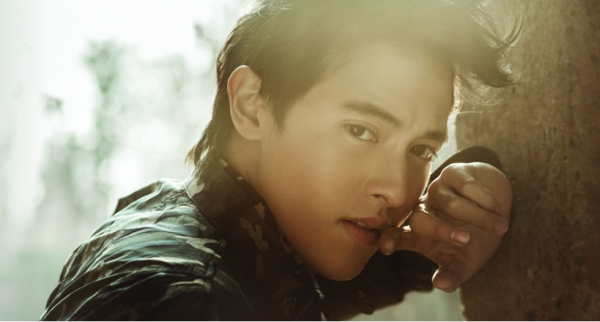
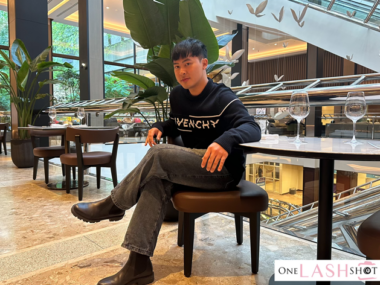
Jirayu Tangsrisuk, better known as James Jirayu, has built a successful career as an actor and singer, earning recognition for his versatility across television, film, and music. Since his breakthrough role in the Thai television drama Suparburoot Jutathep, James has continued to impress audiences with performances in projects such as Padiwaradda, The One in My Heart, and To the Moon and Back, showcasing his ability to take on diverse characters and emotionally driven stories.
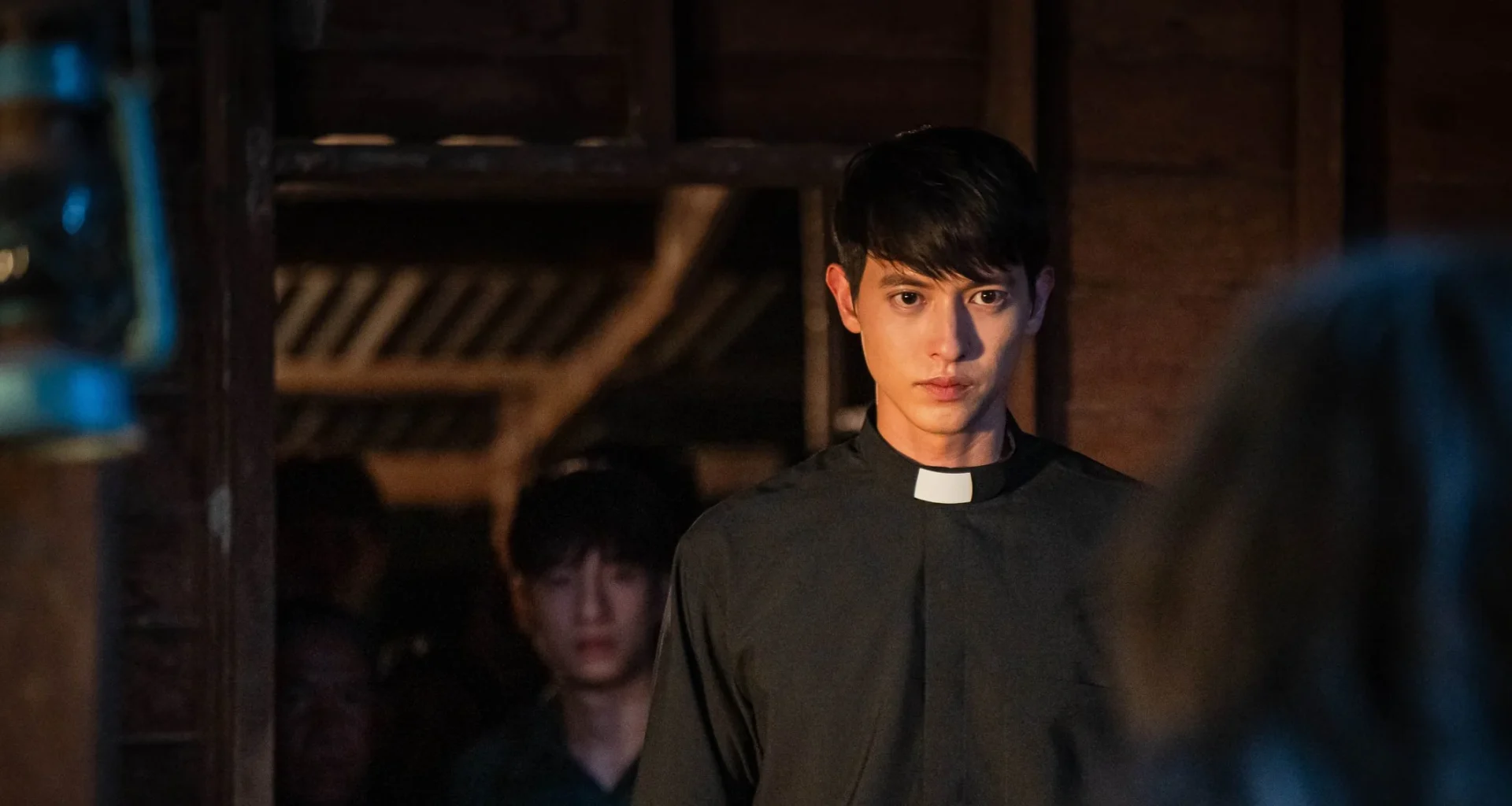
Now, James takes on one of his most challenging roles yet in Tha Rae: The Exorcist, a supernatural thriller that explores the intersection of Catholic exorcism and Thai Isan spiritual traditions. The film brings together two distinct belief systems while delving into themes of faith, fear, and the unknown.
In this One Lash Shot interview during the New York Asian Film Festival (NYAFF), James Jirayu reflects on his experience stepping into this intense role, the preparation behind the film’s ritual scenes, the importance of authenticity in storytelling, and the challenges of portraying a character caught between different worlds of belief.
You are known as both an actor and a singer. How did you first find your way into the entertainment industry, and what inspired you to pursue this career?
Actually, it happened by accident. My manager discovered me in Phichit, which is about a four-hour drive from Bangkok. The first step I took in the entertainment industry was when I auditioned for my first TV series, Suphapburut Jutathep. I was lucky to get the opportunity, and that was when people started to recognize me as James Jirayu.
As for singing, it’s not the main focus of my career, but it is something I really enjoy. I have actually released more than 30 or 40 songs, although they may not be as widely known. Most of the singles I’ve released are original soundtracks for TV series or films that I have acted in.
Tha Rae is a real place in Thailand and is home to the country’s oldest and largest Catholic community. Before taking on this project, were you already familiar with Tha Rae and its cultural and religious significance?
I had actually only heard about Tha Rae through this movie. But I found it very interesting because Tha Rae is a small town in Sakon Nakhon Province in northeastern Thailand, yet it has a very large Catholic community.
When I went there to film, I was really impressed by the architecture and the way the cultures were blended together. You can see influences from French, Catholic, and traditional Thai styles, especially in the old wooden houses. It was a really beautiful and unique place.
What drew you to Tha Rae: The Exorcist when you first read the script, especially the role of Father Paolo?
The first thing I noticed is that, as a Buddhist, I found it very interesting because Thailand has a mixed culture. We have Buddhist beliefs, Catholic beliefs, and even beliefs in spirits and ghosts.
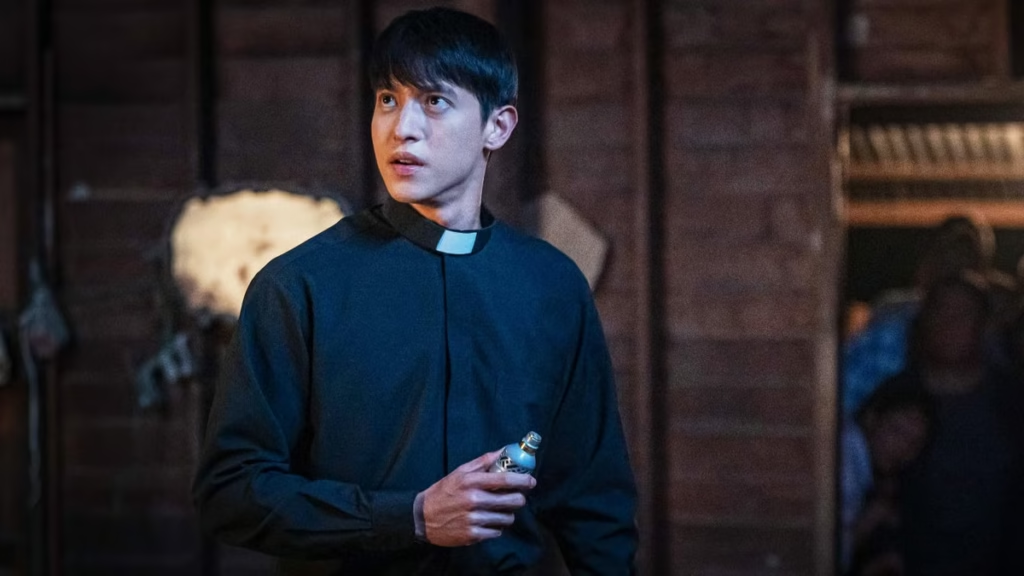
This movie doesn’t tell the story of which religion is better or more powerful. Instead, it explores the darker side of human nature rather than focusing on religion itself. At the end of the movie, it is really about the fight against evil and the effort to overcome bad things.
Did you enjoy horror films before taking on this project?
I’m not a big fan of horror films, but this one was really good to pick up.
The film blends Catholic exorcism with Thai Isan spiritual traditions, bringing together two very different belief systems. What was the biggest challenge in portraying this connection, and are these spiritual practices still present in Thailand today?
Because when we worked with the Catholic community, there were certain rules about what the Father could and could not do, and we wanted to make the film as realistic as possible. It was challenging to find the right balance between respecting those traditions while also creating a compelling story through the characters and the script.
For this story, the connection between the two religions shown in the film is based on something that exists in real life. It wasn’t completely made up — these beliefs and practices are present in that community.
The production team consulted a real priest specializing in exorcisms and even used verified chants during the ritual scenes. I heard there was very little time to rehearse, so you often had to read these complex chants live on set. What was that experience like, and did the authenticity of the process affect your performance?
I had to attend workshops with a real Father, and I had to memorize many prayers and phrases from the Bible that he provided for us. It wasn’t easy, but I also wouldn’t say it was extremely difficult.
I think the most important thing was that, when I played the role, I believed that I was the Father. I focused on becoming the character rather than just following the script or repeating the prayers exactly the same way. I wanted the performance to feel natural and genuine.
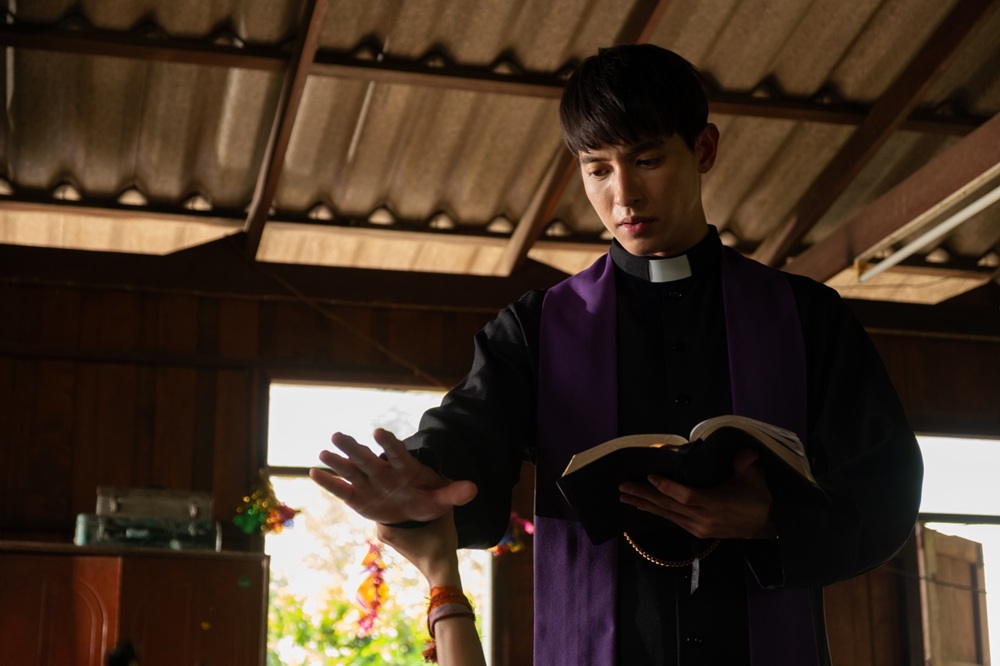
What was the biggest emotional challenge you faced while portraying Father Paolo, especially as the character confronts fear, faith, and the unknown?
The hardest part was that, in this movie, Father Paolo has a dark past, especially involving his mother when he was younger. It was challenging to create his backstory and portray the internal battle he faces as he fights against the demons in his life.
What was your favourite scene in the movie to shoot?
I don’t have one specific scene, but I would recommend the ending, or almost the end, of the movie. There are festival scenes featuring Hae Dao, which is like a Christmas Star Parade, where all the houses are decorated with stars and there are beautiful star displays and performances. It’s a very beautiful and memorable part of the film.
The ending of Tha Rae: The Exorcist is emotionally intense and leaves some ambiguity. Is there going to be a sequel?
It depends on Sahamongkol Film International and whether they decide to produce another film. If they do, then yes, of course, I would reprise my role as Father Paolo.
What’s next for you?
Actually, I already have a new series that I’ve finished filming, and I also have another new project coming up in Thailand.

 Lakshmi


-2-300x225.png)